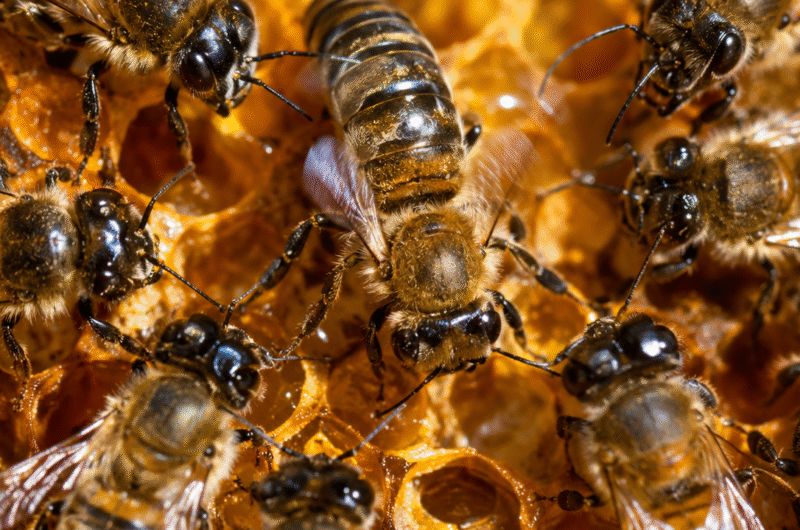

I’ve spent more hours than I’d like to admit crouched in front of an observation hive, nose nearly against the glass, trying to catch a forager mid-dance before she finishes her figure-eight and disappears back into the crowd. It’s a strange kind of patience — waiting for an insect to finish telling a story you can’t fully hear. But if you watch long enough, you start to notice something the textbooks don’t quite prepare you for: the dance doesn’t always look the same. Some days it’s sharp, tight, almost aggressive in its precision. Other days it’s sloppy, half-hearted, like the bee is going through the motions without conviction.
For a long time I chalked that up to individual variation — bees having “off days,” the same way a tired forager might fly a wobblier line home. It turns out I wasn’t entirely wrong, but I was missing the real explanation. A trio of studies published in 2026 has quietly rewritten what we thought we understood about the waggle dance, and the answer has nothing to do with fatigue. It has to do with who’s watching.
What the Waggle Dance Actually Encodes
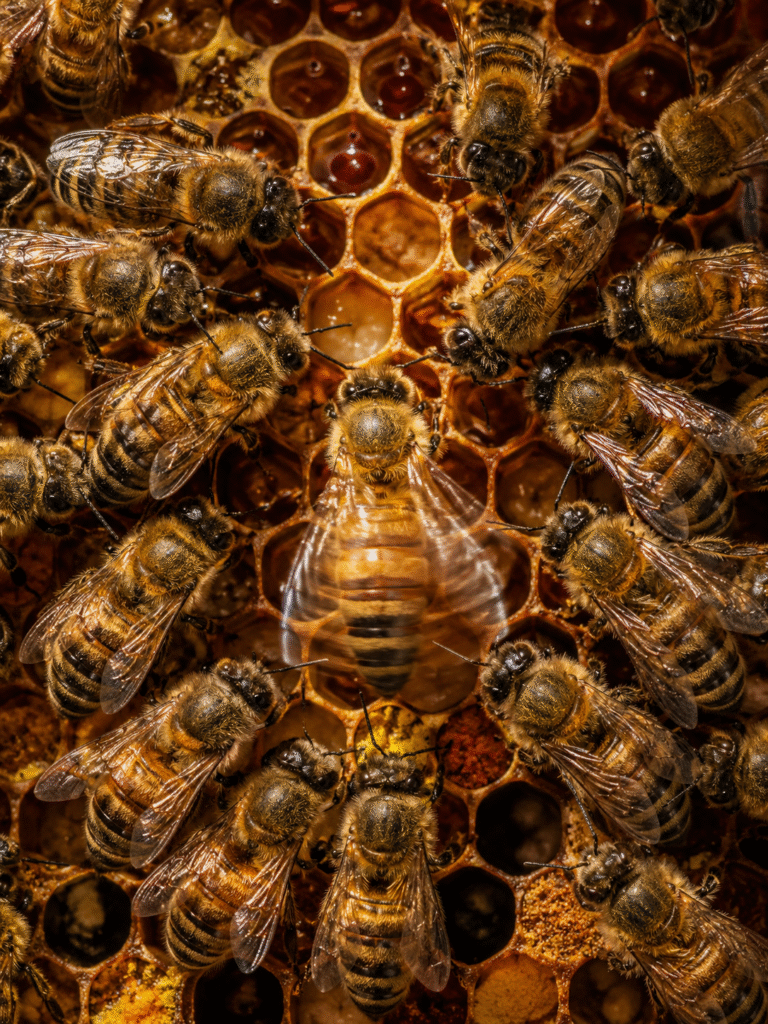
Karl von Frisch cracked the basic code of the waggle dance back in the mid-20th century, and beekeepers have been repeating his findings ever since: a forager returns from a good source, climbs onto the vertical comb, and runs a figure-eight pattern. The straight “waggle run” through the middle of that figure-eight points toward the food relative to the sun’s position, and the duration of the waggle tells nestmates roughly how far to fly. Longer waggle, farther flight. It’s an extraordinary piece of natural engineering — a insect converting a three-dimensional flight path into a two-dimensional dance floor performance that other bees, in total hive darkness, can somehow interpret by touch and vibration alone.
What von Frisch didn’t have the tools to see was what happens around the dancer. That’s the part 2026 research finally caught.
The Audience Changes the Message
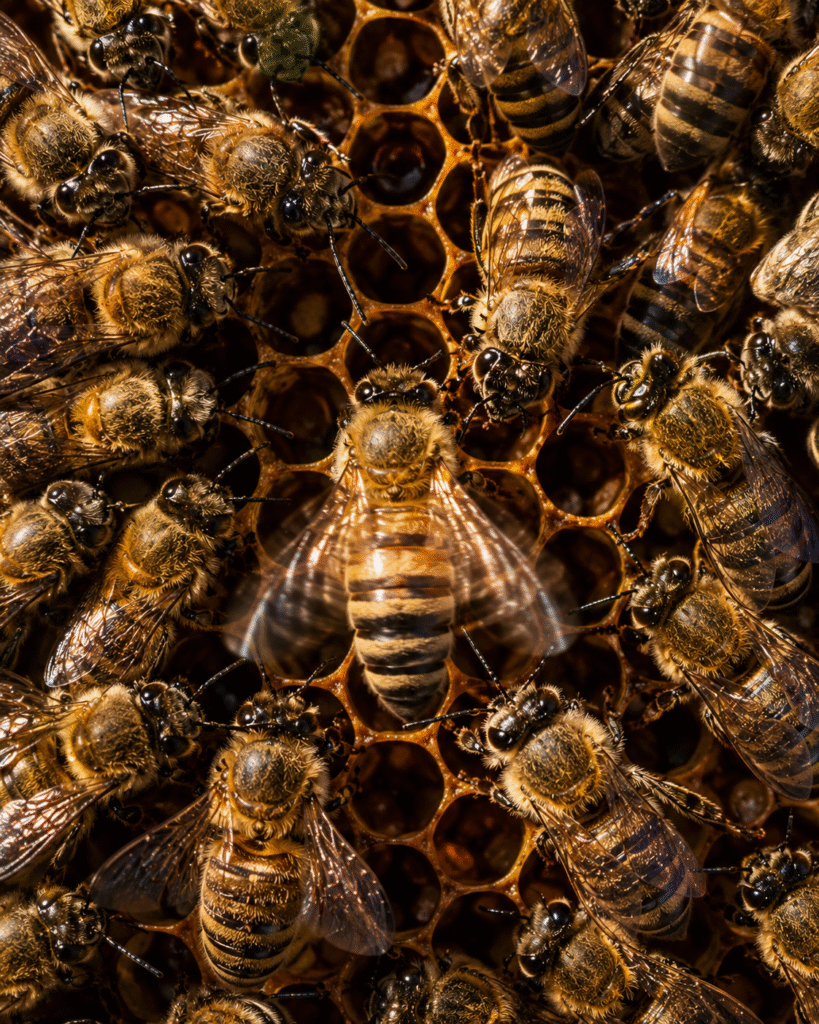
In March, researchers from the Chinese Academy of Sciences’ Xishuangbanna Tropical Botanical Garden, working with Queen Mary University of London, published a study in PNAS that challenged the assumption most of us grew up with — that the waggle dance is a one-way broadcast, information flowing outward from a dancer to a passive crowd of receivers. Their experiments manipulated how many nestmates were available to follow a dance, and the results were unambiguous: when followers were scarce, the dancing bee’s precision dropped, even in a hive still crowded with young bees who don’t normally follow dances at all. The dancer, in other words, was reading the room.
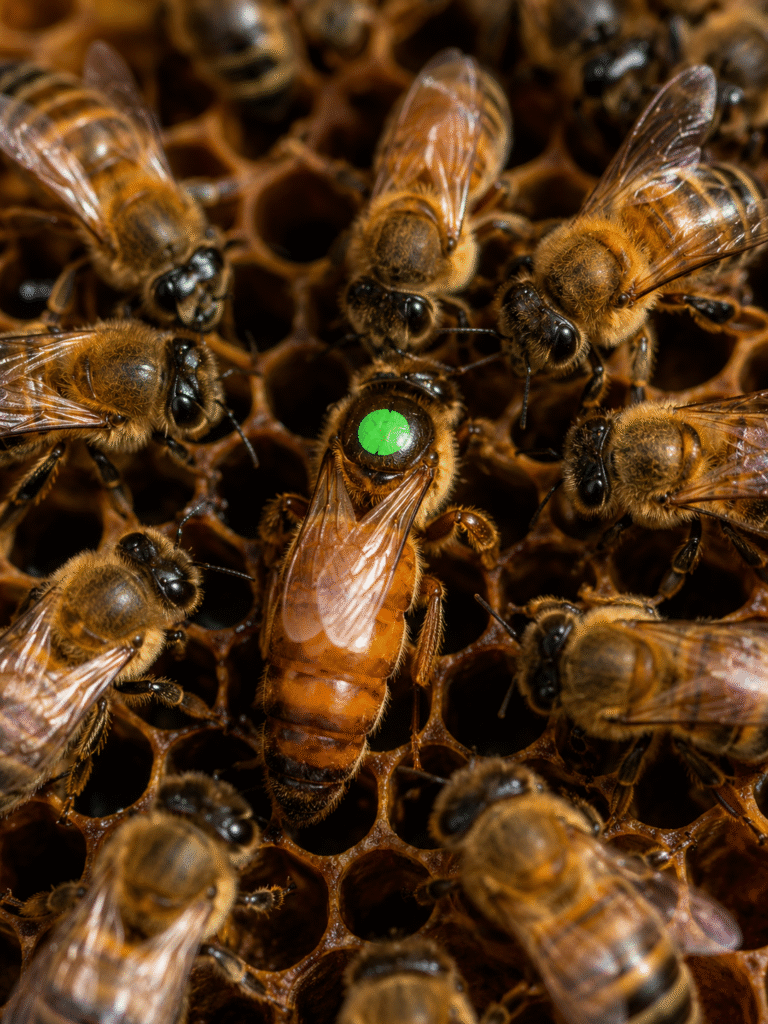
That reframes the whole interaction. It’s not a lecture. It’s closer to a conversation, where the “listener’s” attentiveness shapes how carefully the “speaker” articulates the message. Researcher Ken Tan described it as feedback shaping the signal itself — a bidirectional flow of information inside what we usually picture as a strictly hierarchical colony structure. Bees sense engagement through direct antennal contact and body touches from the bees crowding around them on the dance floor, and that physical feedback appears to calibrate how much effort goes into the next run.
If you’ve ever worked a hive and noticed how differently bees behave when the colony is queenright and buzzing with purposeful traffic versus a struggling, thin-population colony where everything feels sluggish, this research gives you a mechanism to point to. Communication itself seems to degrade or sharpen depending on the social density around it — not just the biological state of the individual bee.
Honest Dancers, Silent Liars
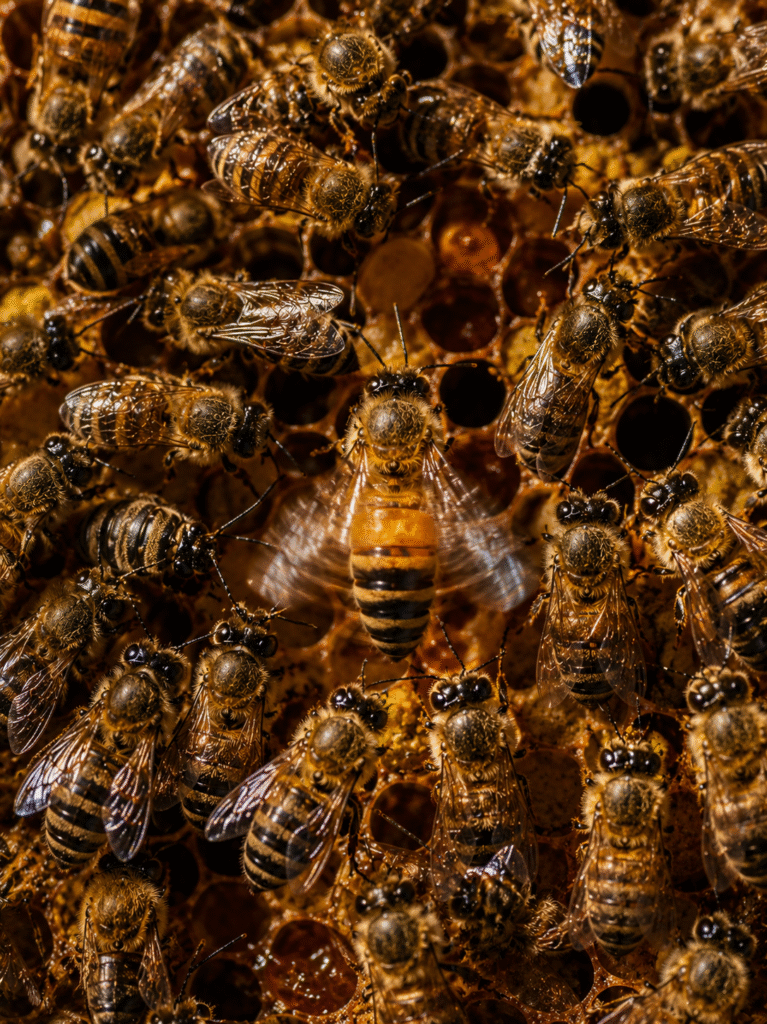
The second piece of this puzzle came in June, from a Hebrew University of Jerusalem team led by researchers studying recruitment behavior. Their question was sharper and, frankly, more unsettling: do bees know when they’re wrong?
They manipulated whether a dancing bee’s followers actually found the food source she’d advertised, then tracked what that dancer did on her next trip. Bees whose directions checked out — whose followers verified the location — ramped up their recruitment effort over subsequent dances. Bees whose information turned out to be unreliable did not. They didn’t get punished, exactly. They simply stopped advertising as hard.
That’s a self-correcting system, and it’s a genuinely elegant one. No central authority in the hive is auditing dance accuracy. There’s no queen bee fact-checking foragers. Instead, the colony filters out bad information through a distributed feedback loop: dancers who prove reliable get louder, and dancers whose claims don’t hold up quietly fade from the conversation. It’s the closest thing I’ve seen described in insect behavior to a built-in reputation system, and it explains something field beekeepers have long suspected but rarely had language for — that strong, well-provisioned colonies seem to converge quickly on the best forage, while struggling colonies often look scattered, chasing marginal sources longer than they should. Maybe some of that isn’t random. Maybe it’s a colony whose internal information network isn’t filtering as efficiently, whether from disease pressure, age-structure imbalance, or simple population thinness.
Mapping Where the Conversation Happens
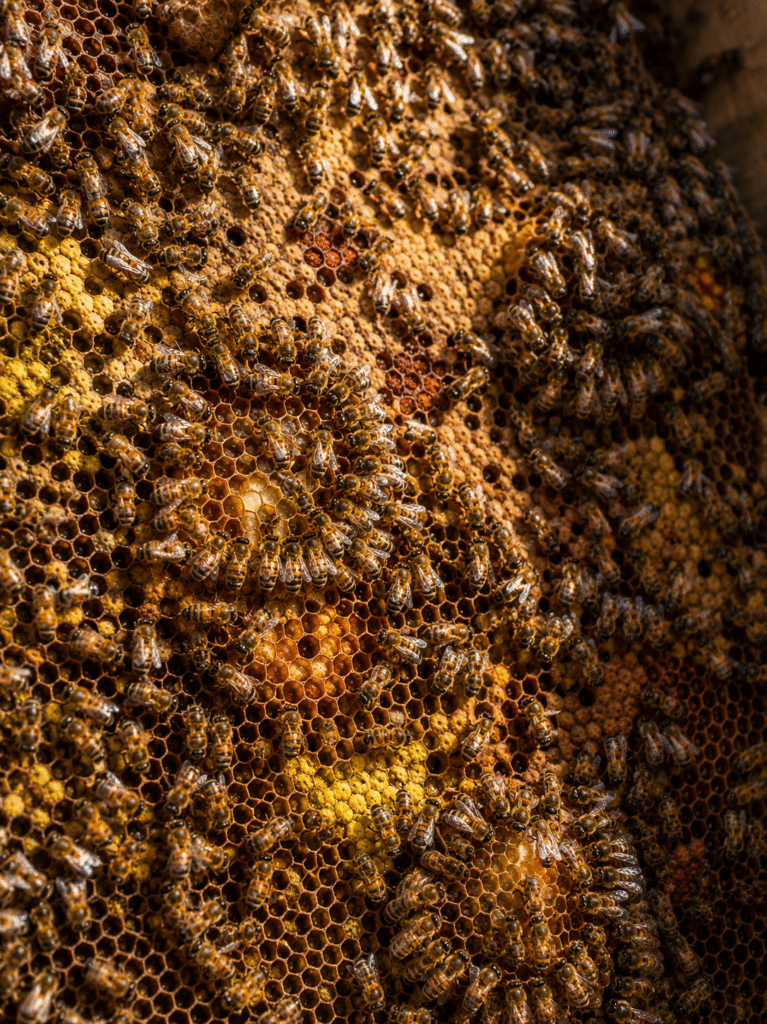
A third study, published in February in PLOS One, took a more mechanical approach: rather than studying what the dance communicates, researchers built a data-driven method to track where on the comb the “dance floor” actually forms and how it shifts. That sounds like a small detail, but it matters for anyone who’s ever tried to observe dancing bees through a hive window and wondered why the action seems to migrate around the frame from one visit to the next. The dance floor isn’t a fixed location. It moves with conditions inside the hive — comb availability, brood placement, traffic patterns — and mapping that movement gives researchers, and eventually beekeepers, a better way to predict where to look and when.
Why This Matters Beyond Curiosity
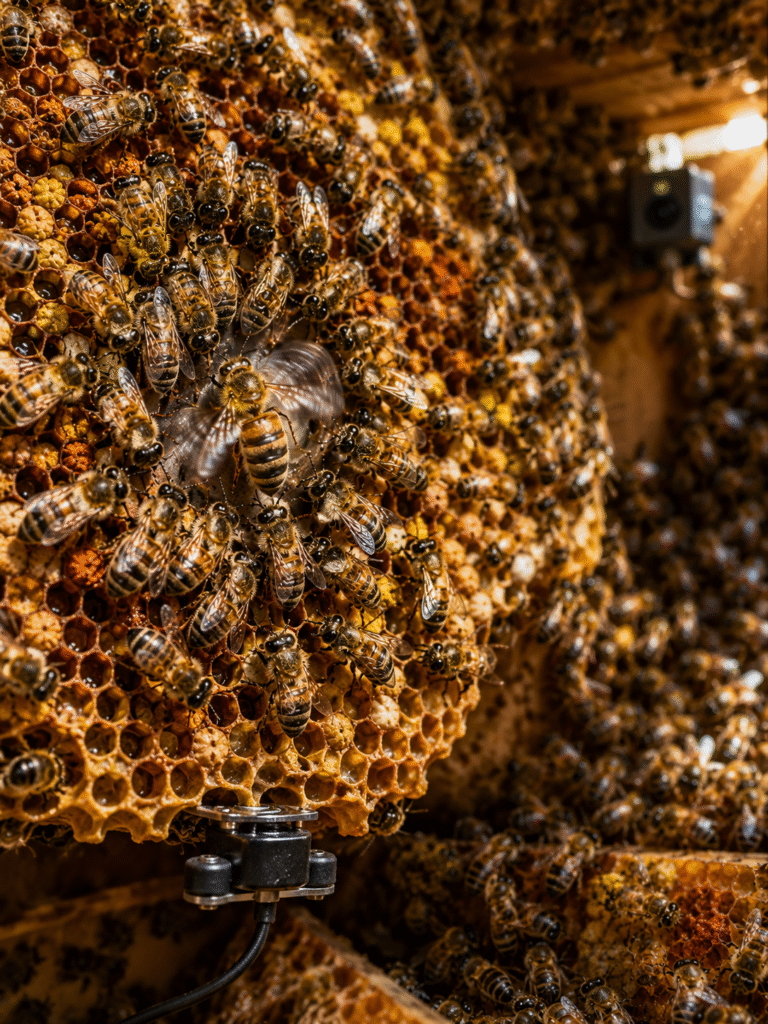
It’s tempting to file all this under “neat science trivia” and move on, but I’d push back on that. Understanding that dance precision is audience-dependent has real implications for anyone monitoring colony health. A colony that looks quiet on the dance floor, even during strong forage conditions, might be telling you something about population density or age-structure problems before those problems show up anywhere else you’d normally check. It’s an early diagnostic signal hiding in plain sight, and it’s one that smart-hive monitoring systems — the kind increasingly used for remote colony tracking — could theoretically be trained to detect through vibration sensors and internal cameras, well before a mite count or a brood pattern tells you anything’s wrong.
There’s also a bigger-picture point here about how we think about animal cognition generally. For decades, the waggle dance was held up as the textbook example of “instinct,” a rigid, hardwired behavior with no room for nuance. What 2026’s research shows is closer to something we associate with much more cognitively complex animals: social calibration, self-assessed reliability, responsiveness to an audience. That doesn’t mean bees are thinking the way we think. But it does mean the line between “instinct” and “intelligence” in a colony of forty thousand individual insects operating as something close to a single organism keeps getting blurrier, and that’s genuinely exciting territory for anyone who spends their life around bees.
What to Watch For in Your Own Hives
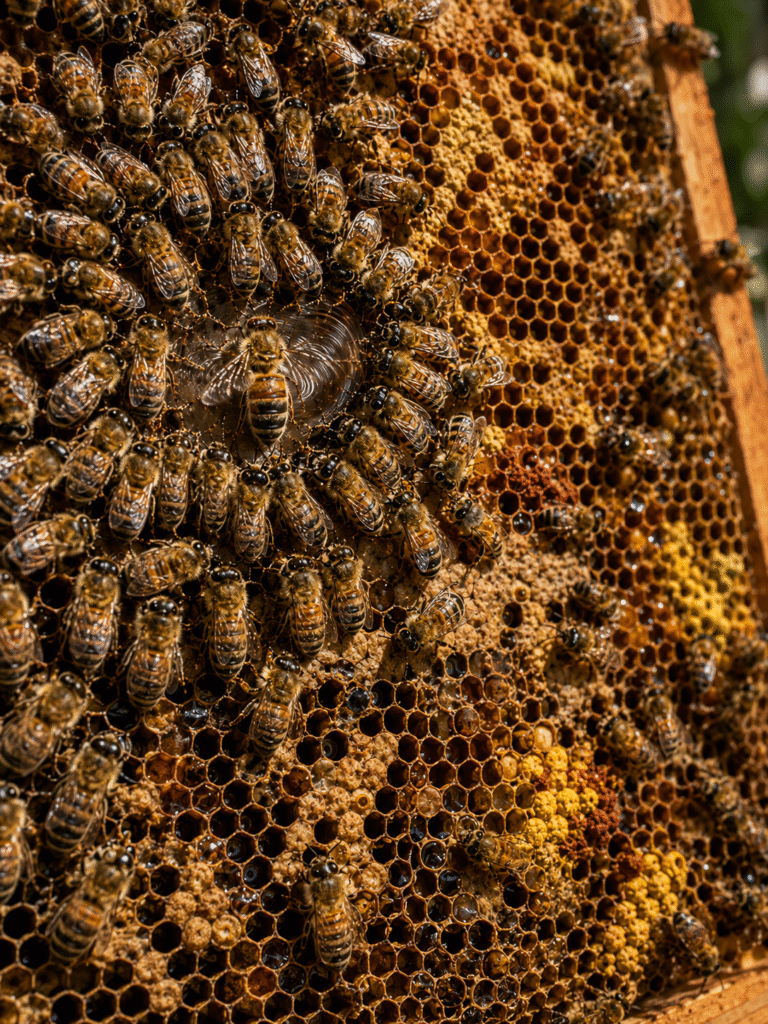
If you keep an observation hive, or even just get the chance to watch a frame during an inspection before returning it, pay attention to two things: how many bees are crowding around a dancer, and how tight her figure-eight looks. It won’t give you lab-grade data, but it’s a genuinely useful habit for building intuition about colony vigor. A hive with sparse, half-hearted dancing during a strong nectar flow is worth a second look — not necessarily a crisis, but a signal worth cross-referencing against brood pattern, population size, and queen performance.
Frequently Asked Questions
Is the waggle dance the only way bees communicate?
No. Bees also rely heavily on pheromones — chemical signals from the queen, from brood, and from glands used to mark food sources or signal alarm — along with direct antennal touch and vibrational signals like the tremble dance, which recruits more bees to process incoming nectar.
Can bees actually lie or give false information on purpose?
There’s no evidence of intentional deception. “Unreliable” dancers in the Hebrew University study weren’t lying — their information simply turned out to be inaccurate, likely because the food source changed or depleted between the scouting trip and the dance. What’s notable is that the colony has a mechanism to reduce the influence of that inaccurate information without any conscious dishonesty involved.
Do all bee species perform the waggle dance?
No — it’s specific to honey bees (genus Apis), and even among those species the dance dialect varies slightly. Solitary bees and bumblebees rely on entirely different communication strategies, since most don’t share a central nest requiring group foraging coordination.
How accurate is the waggle dance, really?
Remarkably accurate for a system with no written language or shared visual reference — typically within a few degrees of direction and a reasonably tight distance estimate — though accuracy improves with experience, and younger bees who haven’t had the chance to observe experienced dancers show measurably higher error rates.
Could this research change how beekeepers monitor hive health?
It’s early, but plausible. As remote hive-monitoring technology matures, dance-floor activity and vibration patterns could become one more data point for detecting stress or population problems before they show up in a manual inspection.