
Somebody asked me at a beginner beekeeping workshop last spring which bee I’d recommend for a first hive, and I gave an answer that clearly disappointed them: it depends on where you live, what you’re keeping bees for, and honestly, how much patience you have for a colony that swarms the moment your back is turned. There’s no universally “best” bee, and anyone who tells you otherwise is usually selling something. But there are real, meaningful differences between the major honey bee breeds available to beginners, and picking blind — which is what most new beekeepers do, myself included on my first order — means starting your beekeeping journey with a bee whose temperament and habits actively work against your climate or your goals.
Why “Breed” Is a Slightly Loose Term
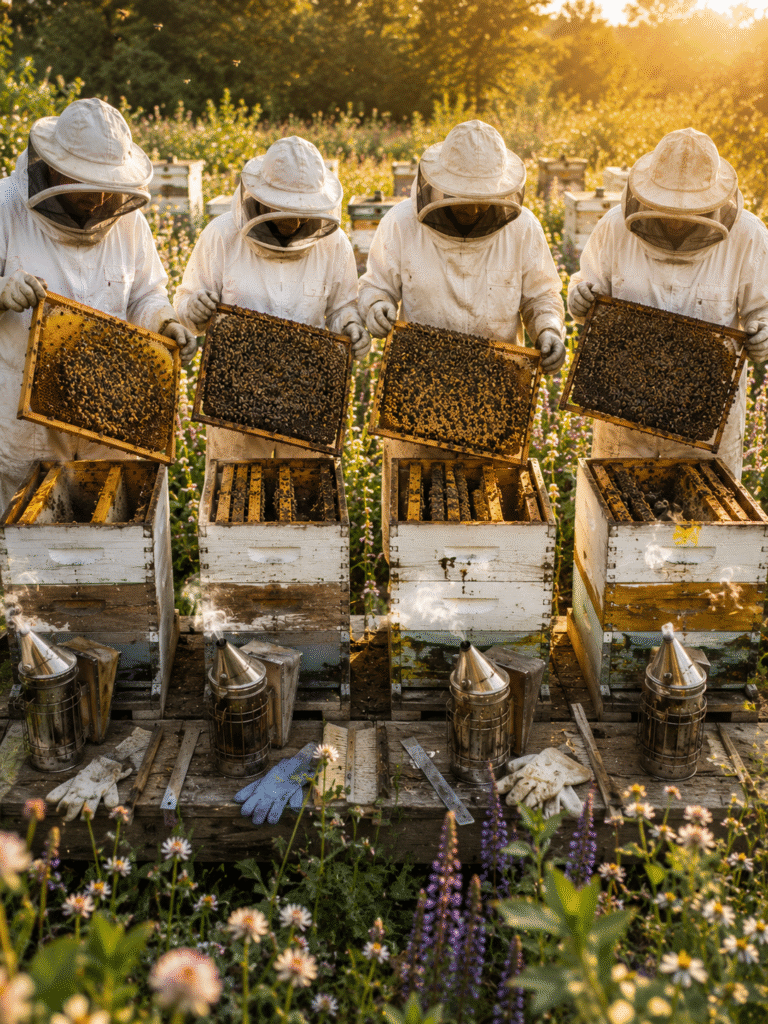
Before getting into specifics, worth clarifying: honey bee “breeds,” or more precisely races and hybrid strains, aren’t separate species. They’re regional subspecies and human-developed crosses of Apis mellifera, the western honey bee, shaped by centuries of adaptation to specific climates before beekeepers started deliberately breeding and shipping them worldwide. Think of it less like different species of dog and more like different working-dog breeds selected for particular jobs and particular terrain. That framing matters because it explains why a bee that performs brilliantly in one beekeeper’s Vermont backyard can be a mediocre fit for someone keeping bees in coastal Georgia.
Italian Bees — The Default, and Usually a Good One
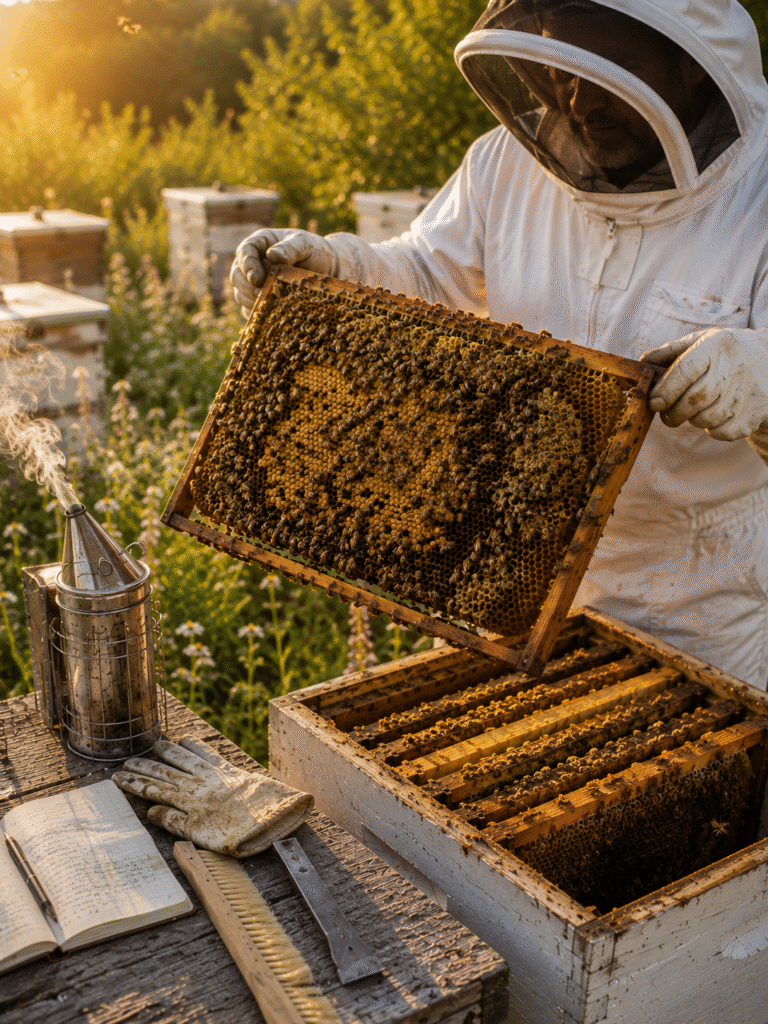
Italian bees (Apis mellifera ligustica) are the most widely kept bee in North America, and there’s a reason beyond simple habit. They’re calm on the comb, build up strong populations through the season, and are generally excellent honey producers with a lower tendency to swarm than several alternatives. If you’ve taken a beginner beekeeping class anywhere in the U.S., there’s a decent chance the demonstration hive was Italian.
The tradeoff is resource consumption. Italian colonies keep brooding later into the fall than some other breeds, which means they’re still eating through stores when a Carniolan colony has already tightened up for winter. In regions with long, harsh winters, that habit can leave an under-fed Italian colony vulnerable heading into spring if a beekeeper isn’t paying close attention to fall feeding. They’re also, in my field experience, a little more prone to robbing behavior during a dearth than the gentler Carniolan temperament — something worth knowing if you’re keeping hives close together.
Carniolan Bees — Built for Cold, Quick Off the Mark in Spring
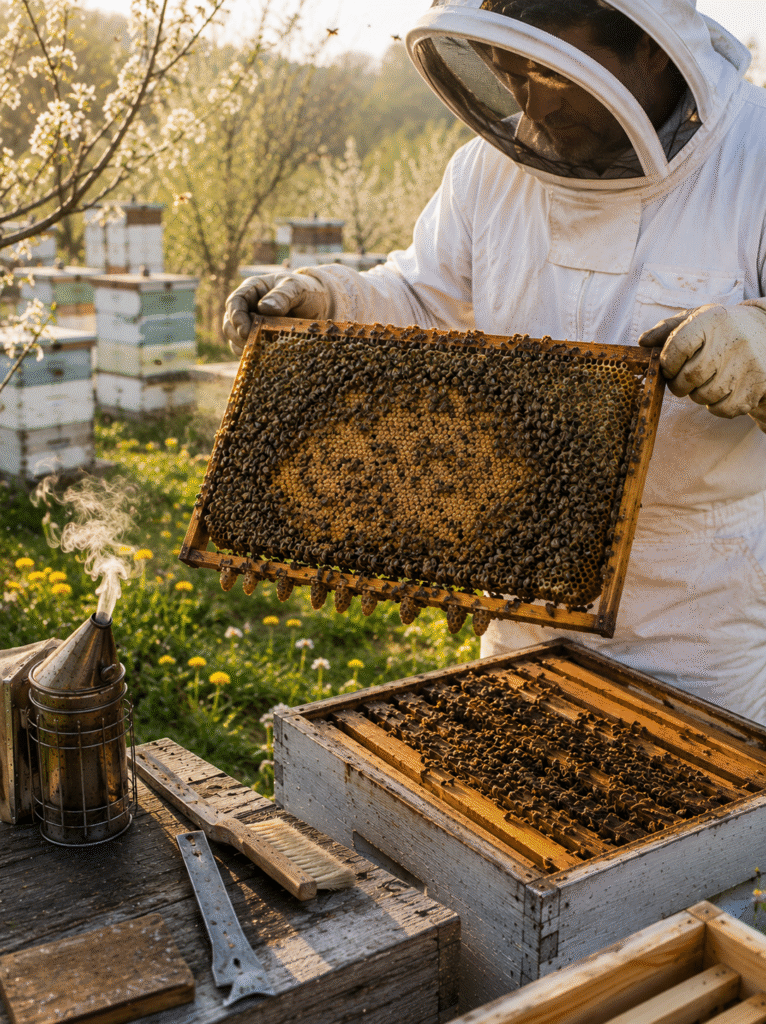
Carniolans (Apis mellifera carnica) originated in the mountainous regions spanning modern Slovenia and its neighbors, and it shows in how they operate. These bees are remarkably efficient at scaling their population up and down with available forage — exploding in numbers the moment spring blooms arrive, then contracting sharply during a dearth to conserve stores. That efficiency is exactly why cold-climate beekeepers gravitate toward them: a Carniolan colony can overwinter successfully on a smaller cluster and lighter stores than an Italian colony would need.
The catch, and it’s a real one, is swarming. That same rapid spring buildup that makes Carniolans so efficient also makes them prone to outgrowing their box faster than a beekeeper expects, and a colony that swarms in April is a colony that just cost you half its workforce heading into your best nectar flow. If you go this route, plan on more frequent spring inspections and be ready to add supers earlier than you would with a slower-building breed.
Buckfast Bees — A Deliberately Engineered Hybrid
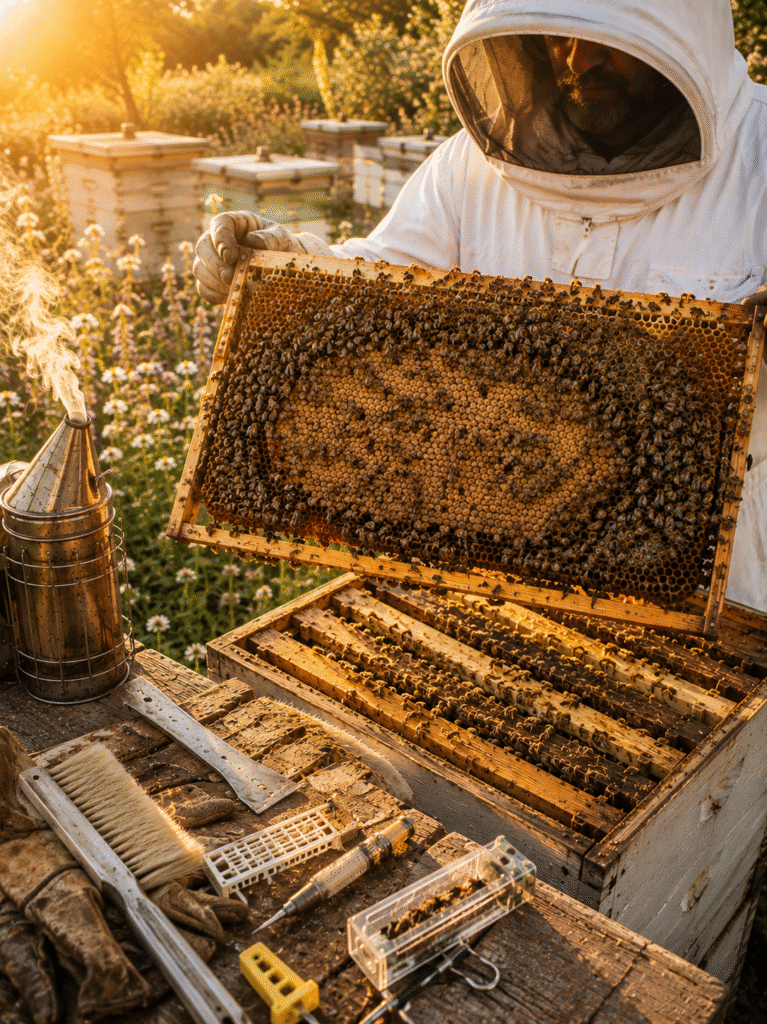
Buckfast bees aren’t a naturally occurring subspecies at all — they’re the result of a decades-long breeding program started in the early 1900s by a monk, Brother Adam, at Buckfast Abbey in England, working initially to rebuild colonies that had survived a devastating tracheal mite outbreak. What emerged from that program is a hybrid combining traits from several European bee lines, selected specifically for gentleness, strong honey production, low swarming tendency, and disease resistance.
On paper, Buckfast bees check nearly every box a beginner wants. In practice, there’s one wrinkle worth knowing before you commit: if you let a Buckfast colony naturally requeen itself rather than replacing the queen with purchased Buckfast stock, the resulting second-generation bees are noticeably more likely to be defensive. This happens because the hybrid vigor that makes first-generation Buckfast bees so well-behaved doesn’t reliably carry through open mating with unrelated drones. If you go Buckfast, budget for periodically requeening with purchased stock rather than letting the colony requeen on its own.
Russian Bees — Built by Necessity, Not by Design
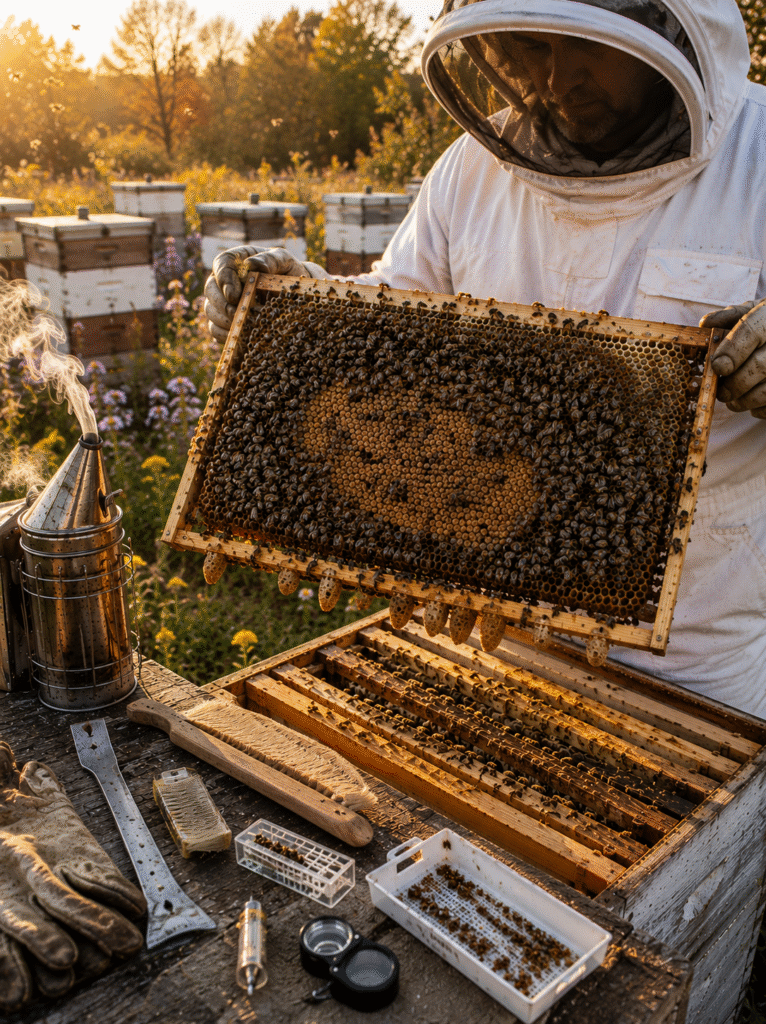
Russian honey bees have a genuinely different origin story than the others on this list. Rather than being selected primarily for temperament or honey yield, they descend from bee populations in Russia’s Primorsky region that evolved alongside Varroa mites for well over a century before Varroa ever reached North America — meaning natural selection, not a breeding program, did most of the work. The result is a bee with meaningfully stronger natural resistance to Varroa, largely through more effective grooming and hygienic brood-removal behavior, along with solid cold-hardiness.
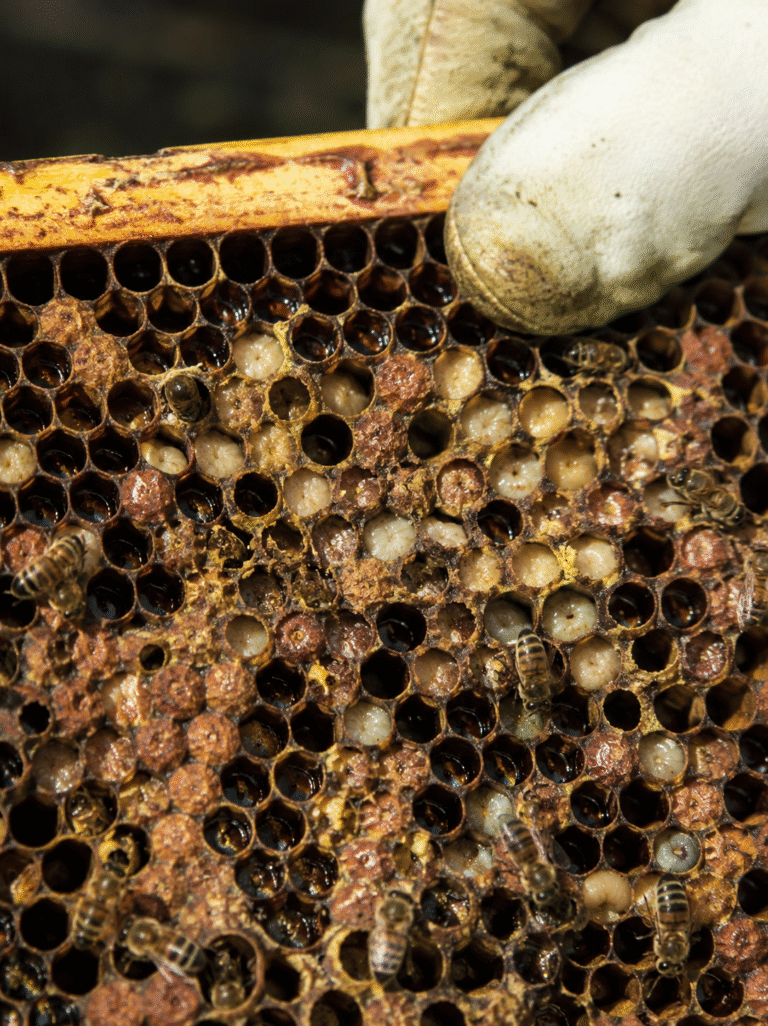
The honest downside is unpredictability. Russian colonies tend to keep more queen cells present in the hive as a standing insurance policy, which makes it genuinely harder for a beginner to distinguish normal colony behavior from active swarm preparation just by looking at the frames. If you’re newer to reading colony signals, that ambiguity can be frustrating. Russian bees reward beekeepers who’ve already built up enough hive-reading experience to interpret what they’re seeing, more than they reward someone on their very first inspection.
Matching a Breed to Your Actual Situation
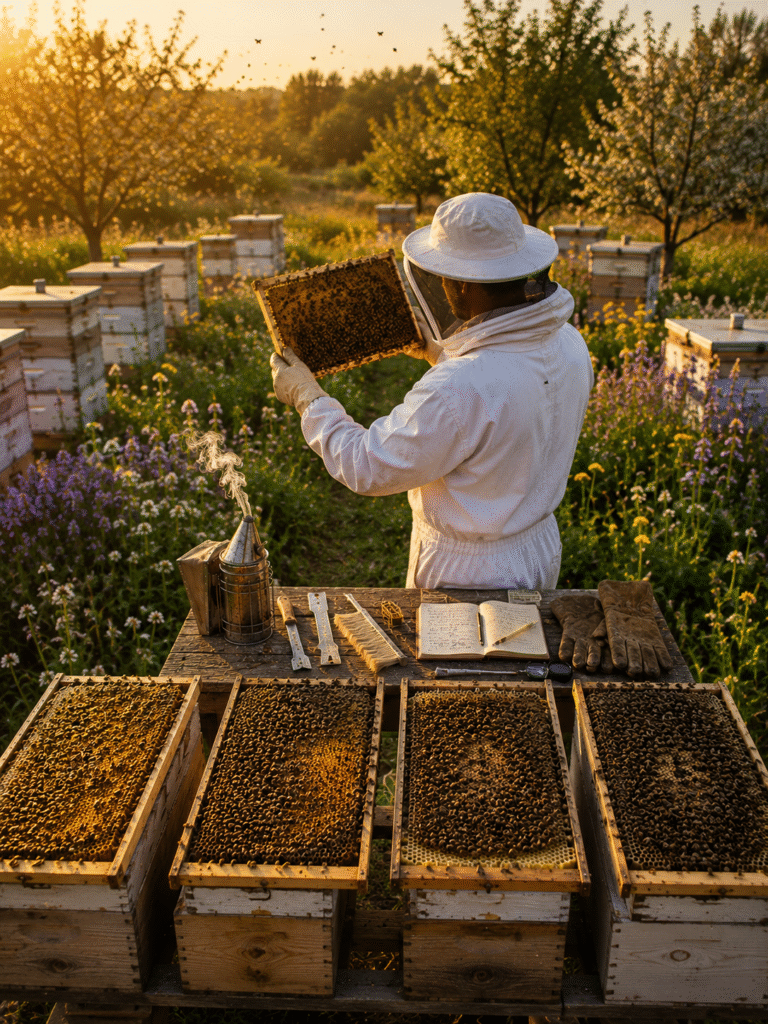
If I’m being genuinely useful rather than just listing traits, here’s how I’d actually think through the decision. Cold winters and a hands-off approach to feeding point toward Carniolan. Hot climates with a long nectar season and a priority on maximum honey yield point toward Italian. A desire to minimize chemical mite treatments points toward Russian, provided you’re comfortable with a steeper learning curve around swarm signals. And if gentleness and consistency matter most, especially with kids or neighbors nearby, Buckfast is hard to beat, as long as you’re willing to requeen on a schedule rather than let nature take its course.
None of this is a permanent commitment, either, which is something I wish someone had told me before I agonized over my first order. Queens are relatively inexpensive to replace, and plenty of experienced beekeepers run two or three breeds side by side specifically to compare performance under their own local conditions rather than trusting a chart written for a different climate entirely. My own bee yard right now is a genuine mixed bag, and that variation has taught me more about breed-specific behavior than any single article could.
Frequently Asked Questions
Which bee breed is best for a first-time beekeeper?
Italian and Carniolan bees are the most commonly recommended starting points due to their gentle temperament and relatively predictable behavior, with the choice between them largely coming down to climate.
Do Russian bees really need less Varroa treatment?
They show meaningfully stronger natural resistance through grooming and hygienic behavior, but most beekeepers still monitor mite counts and treat if levels rise, rather than relying on breed resistance alone.
Why do Buckfast bees become more aggressive in later generations?
The calm temperament of first-generation Buckfast bees comes from hybrid vigor achieved through controlled breeding. When a colony requeens naturally through open mating, that controlled combination breaks down, and more defensive traits can resurface.
Can I mix different bee breeds in the same apiary?
Yes, and many experienced beekeepers do exactly this to compare performance, though queens will occasionally supersede naturally and produce mixed-heritage offspring over time.
Which breed is most resistant to swarming?
Italian bees generally have a lower swarming tendency than Carniolans, though swarming behavior is influenced heavily by hive space, forage availability, and colony management, not breed alone.