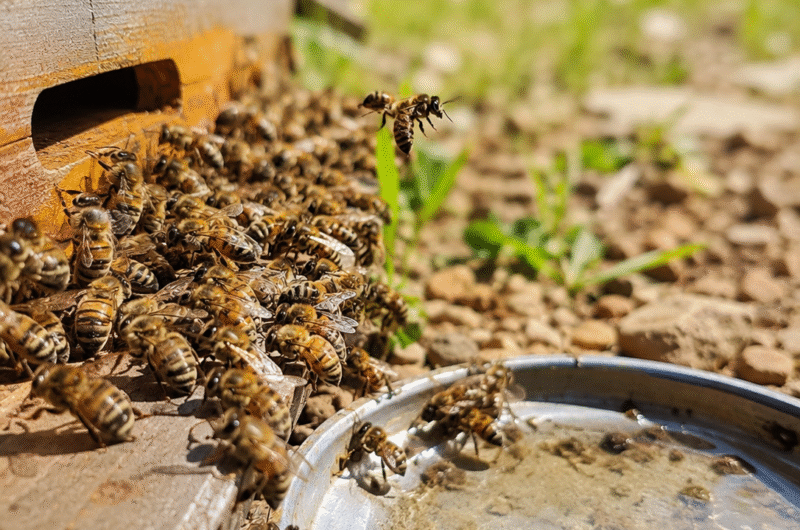

Last July, I walked out to my hives at two in the afternoon and found something that stopped me in my tracks. The front of my strongest colony looked like it was wearing a beard — hundreds of bees clumped together outside the entrance, just hanging there, doing nothing. My first thought was swarm. My second thought, once I felt the heat radiating off the hive roof, was oh no, they’re cooking in there.
That’s bearding, and if you’ve kept bees through even one real heatwave, you’ve probably seen it too. It’s not bees being lazy. It’s bees evacuating a furnace.
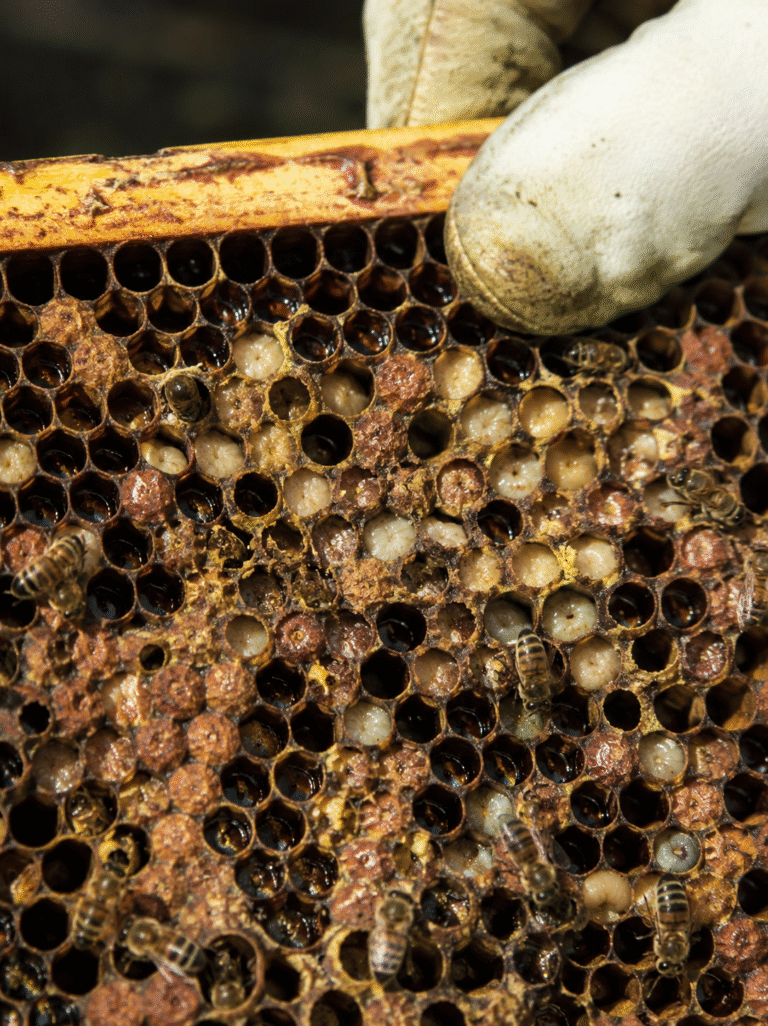
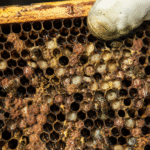
Here’s the thing nobody tells you when you start out: bees are surprisingly bad at dealing with extreme heat, even though most of us imagine them as tough little creatures built for summer. A hive’s internal temperature needs to stay close to 35°C (95°F) for the brood to develop properly. Push much past that, and you start losing larvae, melting wax, and stressing a colony badly enough that it can collapse within days. I learned this the hard way with a top-bar hive a few summers back — the comb actually slumped in the heat because I hadn’t given the bees enough airflow. Lesson learned, expensive lesson.
So let’s talk about what actually works, not just the generic “give them water” advice you’ll find everywhere.
Why Heat Hits Hives Harder Than You’d Think
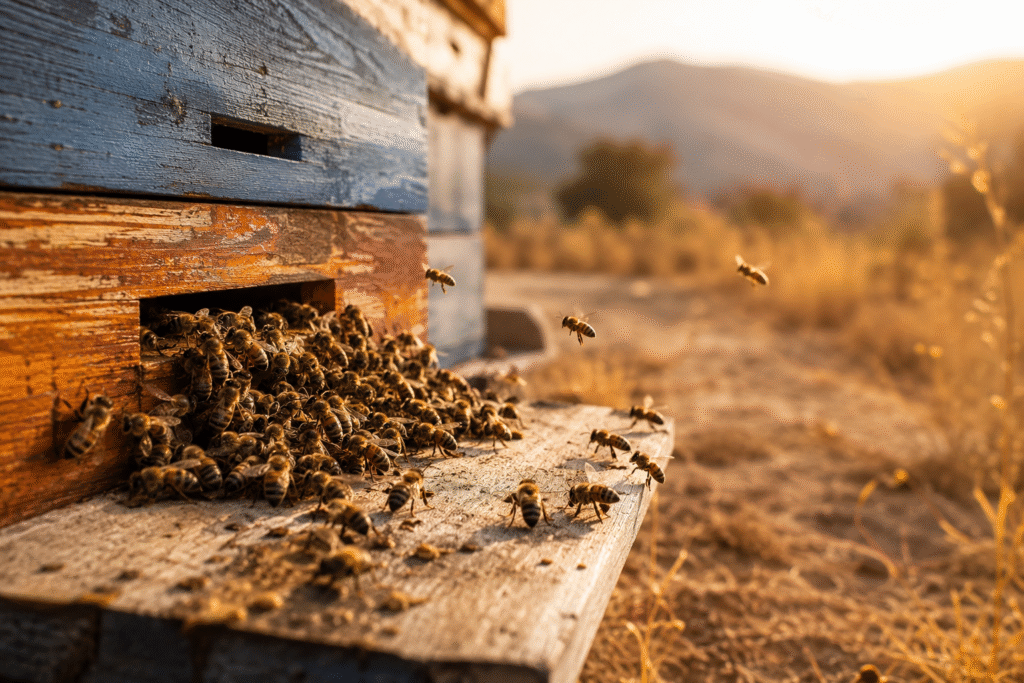
A beehive is basically a dark box sitting in direct sun for most of the day. Add a few thousand bodies generating their own metabolic heat, plus a roof that absorbs sunlight like a skillet, and you’ve got a recipe for serious overheating — especially during a multi-day heatwave when nighttime temperatures don’t drop enough to give the colony a break.
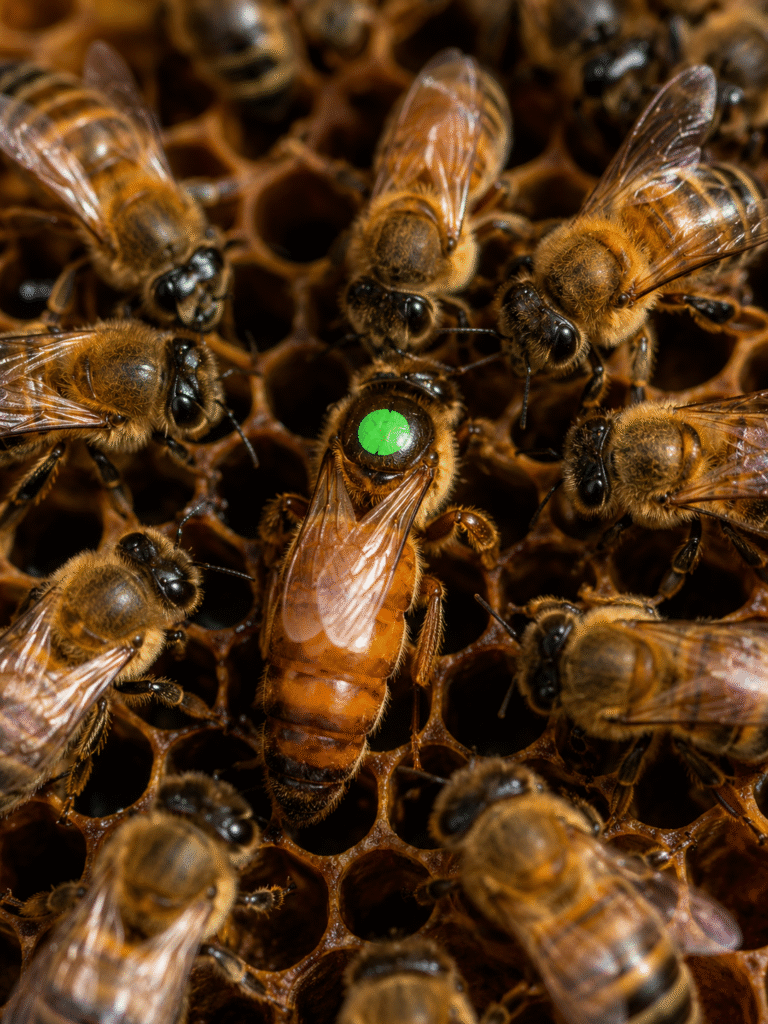
Bees do have their own cooling system. Workers fan their wings at the entrance to push hot air out, and others collect water, spread it in a thin film across the comb, and fan it to create evaporative cooling — essentially turning the hive into a tiny swamp cooler. It’s clever, but it only works if the bees have two things: enough water nearby, and enough airflow to move that cooled air around. Take either one away, and the system breaks down fast.
What I Actually Do When the Forecast Says “Heatwave”
Get water within easy reach. This is the one piece of advice everyone gives, but the detail that matters is proximity. If your bees have to fly more than a couple hundred meters for water, you’re losing valuable foragers to heat exhaustion just getting there. I keep a shallow dish near every apiary with pebbles or marbles in it so the bees have something to land on — drowning is a real risk in open water, and dead foragers floating in a birdbath helps nobody. Top it up daily; on a 38°C day, a small colony can go through more water than you’d guess.
Crack open the ventilation. This is where most new beekeepers underestimate just how much airflow a hive needs in summer. A screened bottom board makes a huge difference here — it lets hot air escape from below instead of pooling under the brood nest. If you don’t have one, even propping the outer cover up slightly with a small stick on a brutal day gives the bees an extra exit for hot air. Some keepers swap in a ventilated rim under the lid during the worst stretches of summer and take it back off once things cool down.
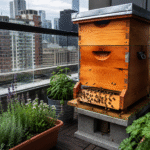
Give them shade, but don’t go overboard. Morning sun is fine and even helpful — it gets the colony moving early before the real heat sets in. What you want to avoid is direct afternoon sun beating down on the hive for hours. If your apiary doesn’t have natural shade, something as simple as a piece of plywood or a shade cloth angled over the hive (not sealing it up, just blocking sun) can drop the internal temperature noticeably. I’ve seen colonies in full sun running visibly hotter, with heavier bearding, than an identical hive twenty feet away under a tree.
Skip the inspections during peak heat. I know it’s tempting to check on a hive that’s bearding heavily, but opening it up in the middle of a 40°C afternoon adds stress at exactly the wrong moment and lets out what little cool air the bees have managed to hold onto. If you need to inspect, do it early morning or after sunset when temperatures have dropped.
Watch your hive colors and materials. A dark-painted hive in direct sun absorbs heat far more aggressively than a light-colored one. If you’re setting up new equipment, light colors aren’t just a style choice — they genuinely keep things cooler. I repainted two of my older hives white a couple of years ago after noticing they ran noticeably hotter than the newer pale-colored boxes next to them, and the difference in bearding behavior was obvious within days.
The Bearding Question: Should You Worry?
A little light bearding on a hot evening is completely normal — it’s the colony’s pressure valve, and you’ll see it even in well-managed hives. What should get your attention is bearding that starts early in the day, covers most of the front of the hive, or persists overnight when temperatures have dropped. That’s usually a sign the colony is genuinely struggling to regulate its internal temperature, and it’s worth adding ventilation or shade rather than just watching and hoping.
One More Thing: Don’t Forget the Bees Aren’t the Only Ones Stressed
Heatwaves also mean nectar dearths in a lot of regions — flowers stop producing as much, foraging gets harder, and colonies can turn defensive or even start robbing weaker hives nearby. So while you’re managing the heat itself, keep an eye on hive behavior at the entrance too. A sudden uptick in aggressive flying or fighting at the entrance of a neighboring weaker colony is often connected to the same stress that’s driving the heat problems in the first place.
Heatwaves are only getting more common, and honestly, learning to manage them has made me a better beekeeper overall — it forces you to pay attention to airflow, shade, and water in a way that good weather lets you ignore. Your bees will tell you what they need if you watch closely enough. Bearding, heavy water consumption, sluggish foraging — these are all the colony talking to you. The trick is just learning to listen before it becomes an emergency.