
Meta description: A realistic, line-by-line breakdown of what beekeeping actually costs in 2026 — from your first hive to your first honey harvest — based on real prices, not wishful thinking.
A reader emailed me last month with a question I get more than almost any other: “I want to start keeping bees, but every website gives me a different number. One says $300. Another says $800. A third made it sound like I needed a business loan. What’s the real answer?”
Honestly? All three of those numbers can be true at the same time, depending on what kind of beekeeper you’re trying to become. The confusion isn’t anyone lying to you — it’s that “beekeeping” covers everything from a single backyard hive you build yourself out of scrap lumber to a fifty-colony operation with a refrigerated honey house. Most people asking this question want neither extreme. They want one or two hives, done properly, without getting surprised by a hidden cost three months in.
So let’s actually break this down the way I wish someone had broken it down for me.
The Number Most People Actually Need
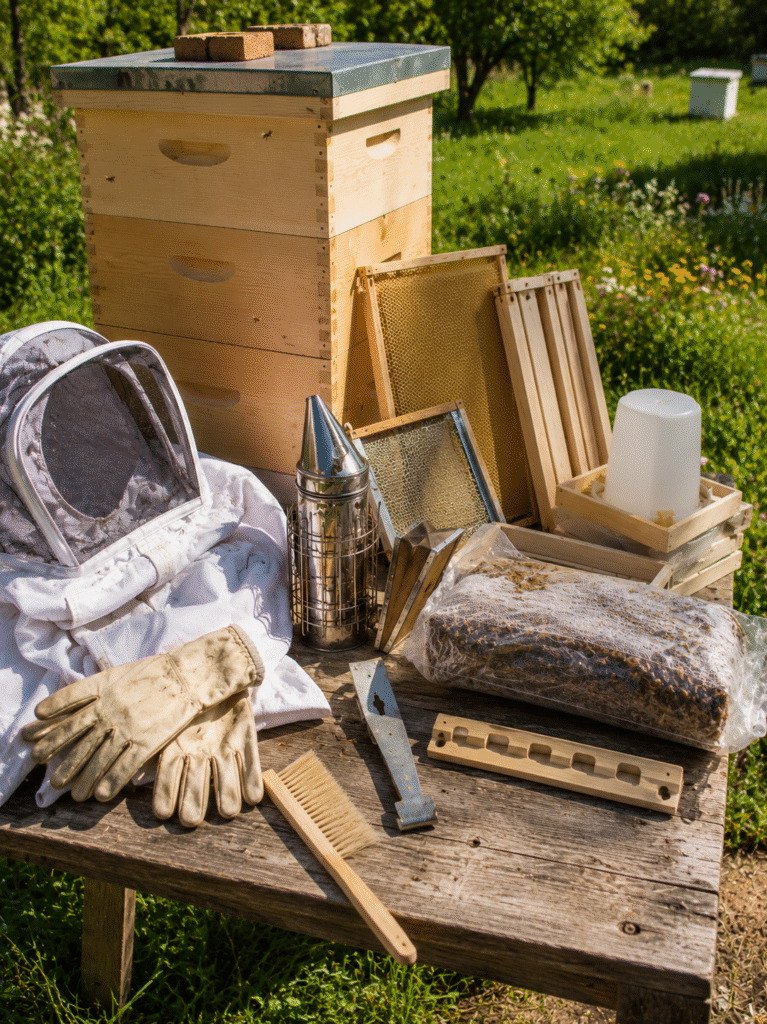
If you’re starting with one or two hives as a backyard hobby — which is what the overwhelming majority of new beekeepers do — plan on $500 to $800 for your first hive in year one, all in. That number holds up consistently across the beekeeping associations, suppliers, and veteran beekeepers I’ve talked to over the years, and it tracks with what I spent setting up my own first hive, give or take regional pricing.
Here’s where that money actually goes, broken into the categories nobody seems to explain clearly enough.
The Hive Itself
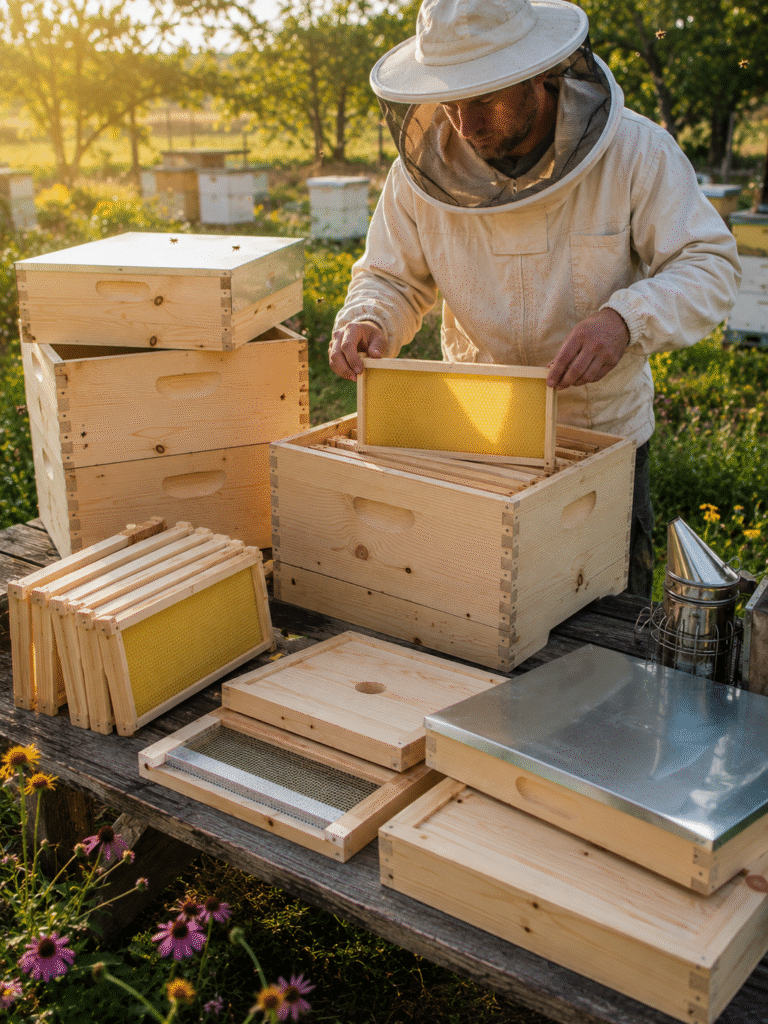
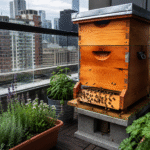
A standard Langstroth hive setup — the stacked-box design that’s become the industry default in the U.S., Canada, and most of the English-speaking world — runs $200 to $300 for a complete kit: brood box, supers, frames, and foundation. That’s the part most people picture when they think “beehive,” and it’s honestly one of the more predictable costs in this whole list.
If you’re trying to save money and you’re even a little handy, you can build your own woodenware for considerably less, sometimes under $100 in lumber if you have basic tools and patience. I’ve met beekeepers who treat hive-building as a winter project specifically because it’s cheaper and gives them something useful to do during the months their bees don’t need much attention. Just don’t cut corners on frame dimensions — bees are unforgiving about spacing, and an ill-fitting frame creates more headaches than the money you saved.
Top bar hives and Warre hives, if you’re drawn to a more naturalistic approach, can sometimes come in a bit cheaper on the build side, but they’re less standardized, which means replacement parts and community knowledge are harder to come by if something goes wrong. For a first hive, I generally steer beginners toward Langstroth simply because the support network — both human and material — is so much deeper.
The Bees Themselves
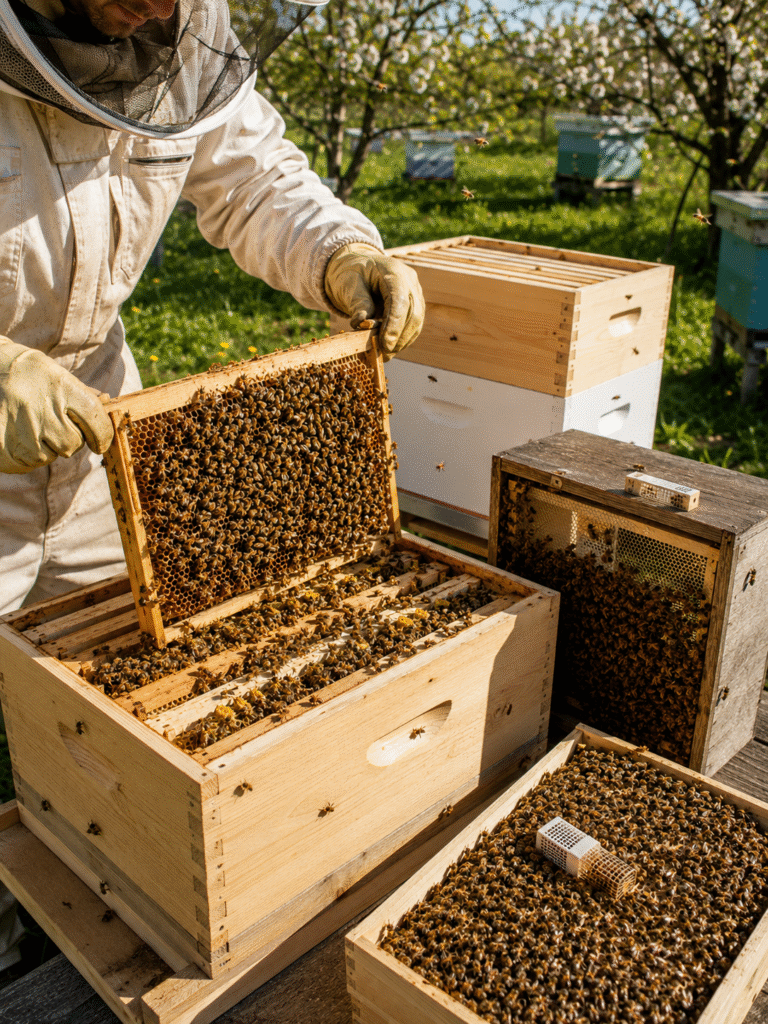
You can’t keep bees without bees, and this is the line item that surprises a lot of first-timers. A three-pound package of bees with a mated queen typically runs $125 to $185, sometimes more depending on your region and the season you’re ordering. A nucleus colony, or “nuc” — which comes with the queen already established alongside several frames of brood and food — usually costs a bit more, somewhere in the $150 to $250 range, but gives your colony a real head start since it’s not building entirely from scratch.
I’ll be straightforward about my own bias here: if it’s your first year, I lean toward the nuc despite the extra cost. A package starts from absolute zero — no comb, no stores, no established workforce — and that puts more pressure on a beginner to get early management right. A nuc gives you a small margin for error while you’re still learning to read what your bees are telling you.
Protective Gear
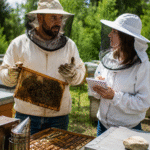
A full bee suit runs $75 to $150, gloves another $15 to $30, and if you’re buying a veil separately rather than as part of a suit, tack on $15 to $35 more. Altogether, plan on roughly $150 to $200 for gear that actually protects you and that you’ll be comfortable wearing for the hour or so you’ll spend in your hive on a hot July afternoon.
Here’s a small piece of honest advice that nobody tells beginners enough: don’t buy the cheapest suit you can find. I did, my first year, and within two months the zipper on the veil had failed twice, both times while I had my hands full of frame and nowhere convenient to set anything down. A mediocre suit isn’t really a savings — it’s a future repair bill, or worse, a sting you didn’t need to take.
Tools You Can’t Skip
A smoker and hive tool together run $20 to $50, and honestly, these are two of the cheapest items on this entire list relative to how often you’ll use them. The smoker calms your bees during inspections; the hive tool pries apart frames that propolis has glued together with what feels like the strength of an industrial adhesive. Don’t skip either one trying to save twenty dollars. You will regret it the first time you try to pry open a hive body with a flathead screwdriver, which I have also tried, and which I do not recommend.
What Most Cost Breakdowns Leave Out
This is where I think a lot of online guides quietly fall short, and where I want to spend a little extra time, because it’s the part that actually determines whether your first year goes smoothly or expensively sideways.
Sugar. You will go through more sugar than you expect, especially feeding a new package through its first few weeks while it establishes comb. One experienced beekeeper I know went through 500 pounds in a single season with just two hives. Budget for this. It’s cheap per pound, but it adds up.
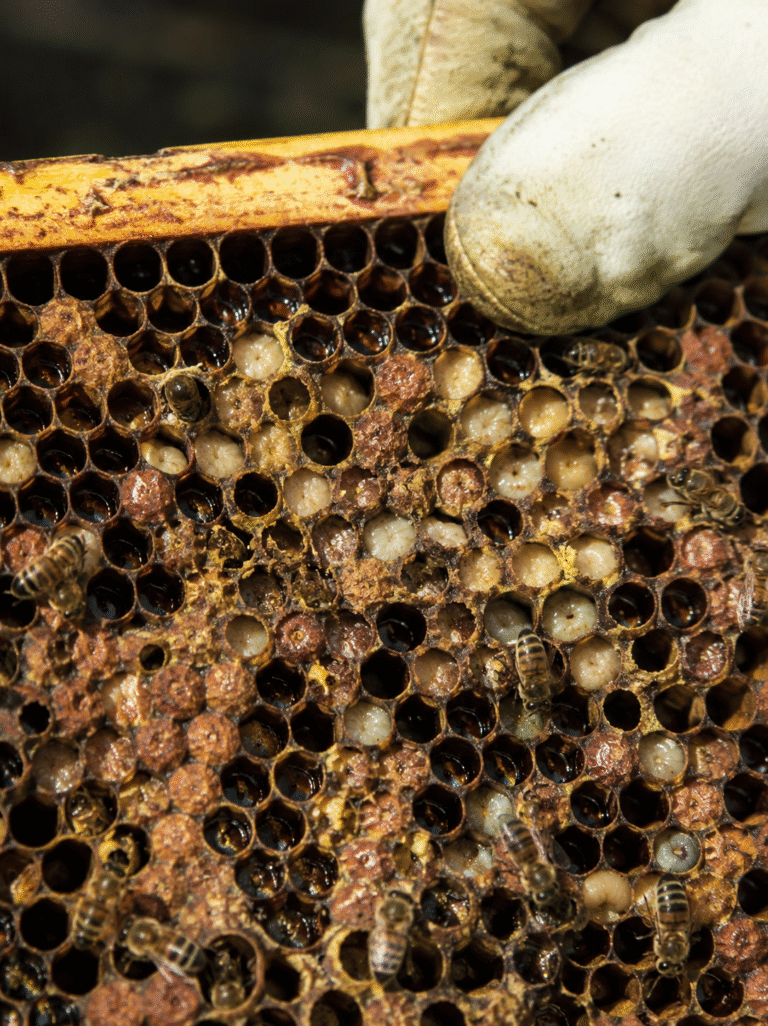
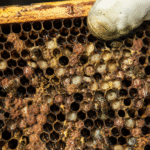
Mite treatment. Varroa mites aren’t optional to deal with — they’re close to the single biggest threat facing managed colonies today, and treatment costs roughly $25 to $50 per hive annually depending on which method you use. Skip this line item and you’re not really saving money; you’re just deferring a much larger cost, which is losing the entire colony.
Local permits and registration. This varies enormously by location, and it’s the cost beginners are most likely to forget entirely until a neighbor complains or a city inspector shows up. Some rural areas require nothing beyond basic state hive registration, often $10 to $50. Some cities — particularly in the U.S. and increasingly in parts of urban Canada and Australia — require liability insurance, site plan reviews, and minimum setback distances from property lines. Check your local regulations before you buy a single piece of equipment, not after.
Winter prep. If you’re in a climate with real winters — most of the U.S., all of Canada, and the UK — you’ll want supplemental insulation, sugar bricks or fondant for emergency feeding, and possibly a wind break or hive wrap. This rarely shows up in “startup cost” calculators because it’s seasonal, but skipping it is exactly how new beekeepers lose colonies in their very first winter.
What It Costs After Year One
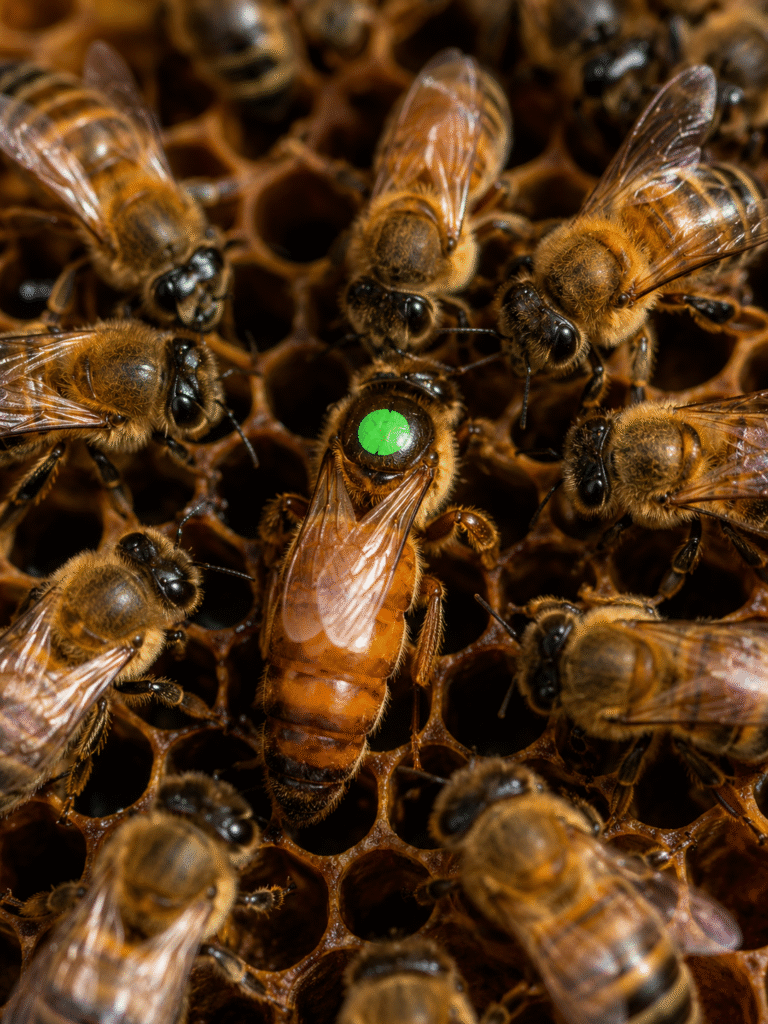
The good news, and it’s genuinely good news: costs drop substantially after your first year. Your woodenware, suit, smoker, and hive tool are already paid for and will last for years with basic care. Ongoing annual costs typically settle into the $200 to $400 per hive range, covering mite treatments, occasional queen replacement (every two to three years, roughly $40 to $60 per queen), supplemental feed, and minor equipment repairs.
Some of that gets offset, too. A productive hive can produce 40 to 60 pounds of honey a year, and even at modest local prices of $8 to $12 per pound, that’s real money flowing back the other direction — not enough to call beekeeping profitable in year one, but enough that by year two or three, a well-managed hobby hive often pays for a meaningful chunk of its own upkeep.
What I’d Actually Tell Someone Starting Out
If you came to this article hoping for a single clean number, here it is: budget $600 to $800 for your first hive, and don’t start with less than that already set aside. Trying to cut that number in half by skimping on gear, skipping mite treatment, or buying the cheapest possible suit doesn’t make beekeeping cheaper. It just moves the cost downstream, usually to a dead colony and a much harder lesson than the one a spreadsheet can teach you.
What I’d also tell you, because nobody told me this clearly enough when I started: the actual cost most beekeepers underestimate isn’t dollars. It’s time, attention, and the willingness to keep learning even when something goes sideways in your first season — and something usually does. The money is the easy part to plan for. The patience is the part you build along the way.
If you’re weighing whether to start with one hive or two, most experienced beekeepers will tell you two is actually easier to manage than one — it gives you a healthy colony to compare against if something looks off in the other. It costs more upfront, but it often saves you from second-guessing yourself blind through your first season.