
Does No Mow May Really Help Bees? A Beekeeper’s Take
No Mow May is under fire in 2026. A working beekeeper breaks down what actually helps honey bees — and what’s just an unmowed lawn.
I let my back lawn go feral for the first two weeks of May three years ago, mostly out of laziness disguised as principle, and I remember standing at the edge of it one evening counting exactly zero honey bees on the clover that had come up between the grass. Plenty of small carpenter bees. A couple of bumblebees working the dandelions like they owned the place. My own hives, forty yards away, weren’t sending a single forager into that patch. That was the moment I started asking a question the pollinator-conservation crowd doesn’t love hearing from a beekeeper: does pollinator decline actually get solved by No Mow May, or have we been lumping two very different animals into one feel-good campaign?
Short answer: No Mow May helps some bees — mostly solitary, ground-nesting native species — far more reliably than it helps honey bees, whose foragers are built to travel a mile or more for serious nectar sources and mostly ignore a patchy lawn full of dandelions and clover. If you keep honey bees and want to actually move the needle for them, an unmowed lawn is a nice gesture but not where your effort should go.
What No Mow May Actually Is (and Isn’t)
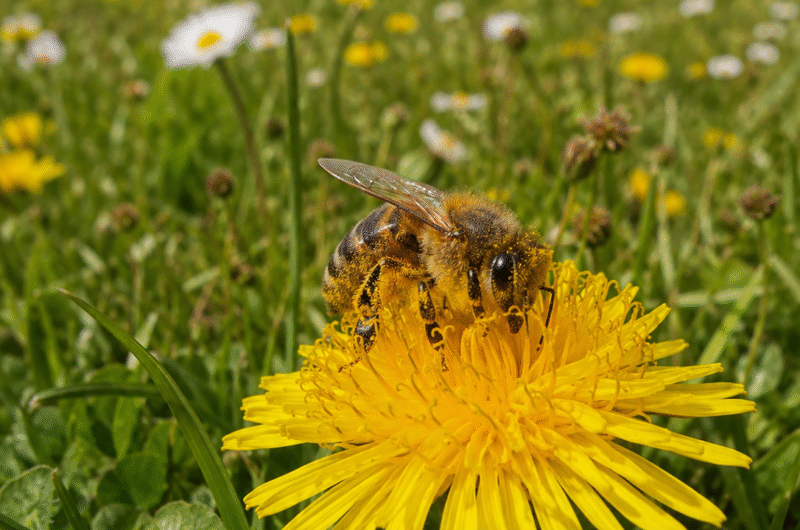
The idea started in the UK with the conservation charity Plantlife and crossed to North America a few years later, picking up steam through Bee City USA affiliates and city sustainability offices. The mechanics are simple: skip mowing for the month of May, let whatever’s already in the lawn — dandelions, clover, violets, creeping charlie — bloom, and you’ve created a temporary forage patch without spending a dollar or digging a bed.
It’s a genuinely good entry point for someone who has never thought about pollinators before. It is not, and was never designed to be, a serious habitat intervention. That distinction matters more in 2026 than it did five years ago, because the campaign is now getting real scrutiny from the same entomology community that helped popularize it.
The Honey Bee vs. Native Bee Distinction Nobody Mentions
Most No Mow May coverage talks about “bees” as one undifferentiated group, and that’s where the honey bee angle gets lost.
Why lawn flowers matter more for solitary and native bees
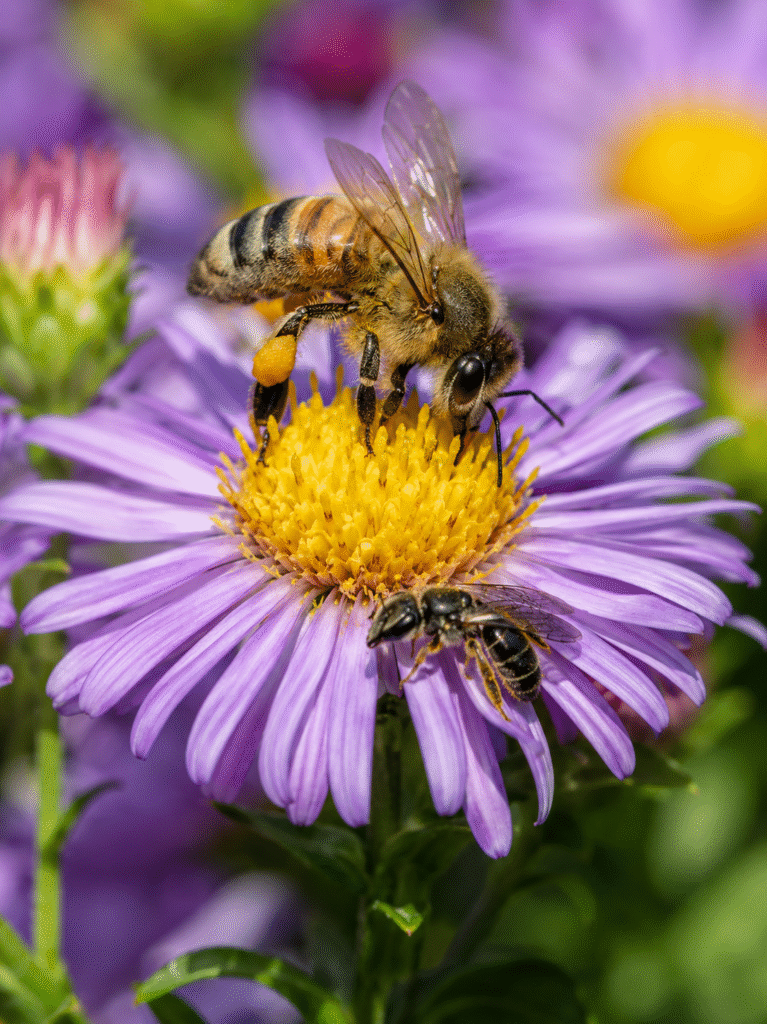
A honey bee colony is a 40,000-to-60,000-strong operation that needs a serious, sustained nectar and pollen flow to build comb, raise brood, and store winter reserves — a scattering of dandelions in a quarter-acre lawn is a rounding error against what a single strong hive consumes in a week during a good spring flow. Native bees run a completely different economy. Roughly 90% of North America’s native bee species are solitary, and most of them are provisioning a handful of brood cells for the season, not a superorganism. A patch of clover that a honey bee forager would fly past on her way to an orchard or a stand of black locust is, for a mining bee or a sweat bee working a fifteen-foot radius from her burrow, a legitimate food source.
That’s not a knock on No Mow May — it’s a clarification of who it’s actually for. If your goal is genuinely helping honey bees, the lawn isn’t where the leverage is.
What the 2026 Pushback Is About
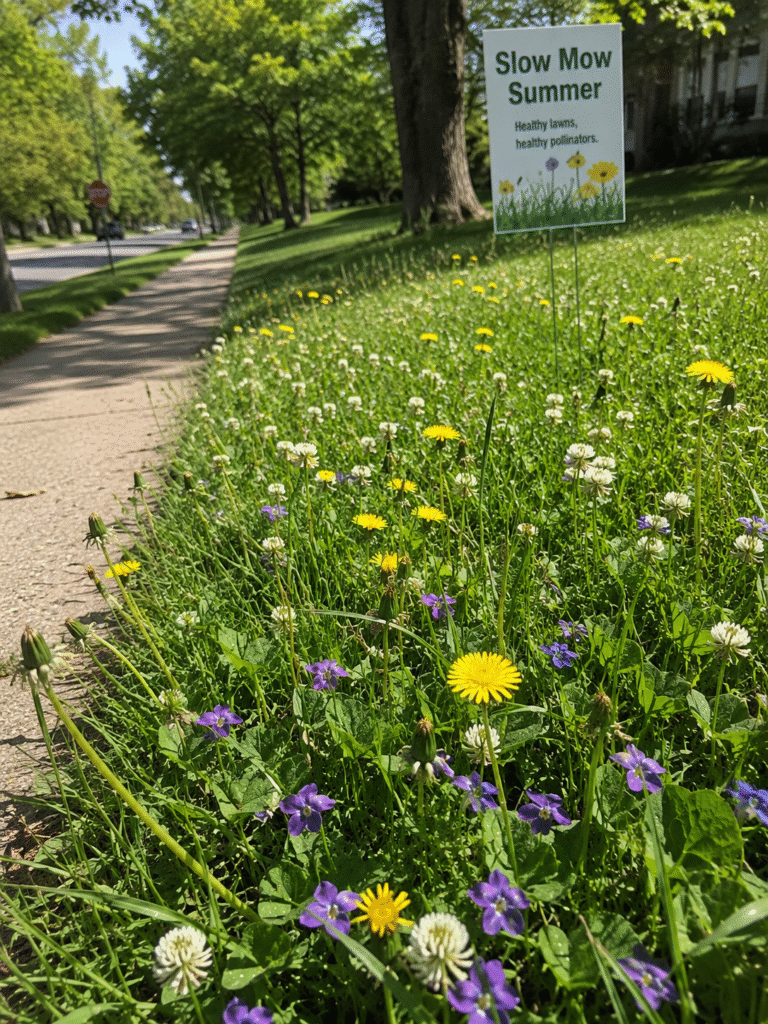
This year has brought the most public second-guessing the movement has seen. A Michigan State University entomologist discussed with local media in May 2026 how cities are moving away from a strict no-mow month and toward longer-term changes — less frequent mowing year-round, deliberate native plantings — rather than a single symbolic month. Around the same time, a University of Minnesota Bee Squad researcher cautioned that letting a lawn grow eighteen to twenty-four inches tall and then cutting it back to three or four inches in one pass can genuinely stress or kill the turf, and pointed out that several Wisconsin cities — including Appleton, the town that helped popularize the campaign in the first place — have shifted to a “Slow Mow Summer” approach instead: mowing less often across the whole growing season rather than stopping entirely for one month.
Why some cities are moving to “Slow Mow Summer” instead
Slow Mow Summer keeps the same underlying goal — more blooms, fewer chemicals, less disturbance — but spreads it across the whole season instead of concentrating it in May, which matters because plenty of native bee species don’t even emerge from dormancy until June or July. A lawn that’s back to a tidy quarter-inch by June 1st isn’t feeding those late bees at all.
The lawn-health tradeoff
There’s a practical reason this shift is happening beyond entomology. Grass that’s allowed to bolt to eighteen inches and then gets scalped back in one mow is genuinely more likely to thin out, go brown, or open bare patches that invite weeds and erosion — the “rule of thirds” that turf agronomists have preached for decades (never remove more than a third of the blade height in one cut) gets thrown out entirely by a strict May-only approach.
A Beekeeper’s Verdict: Worth Doing or Not?
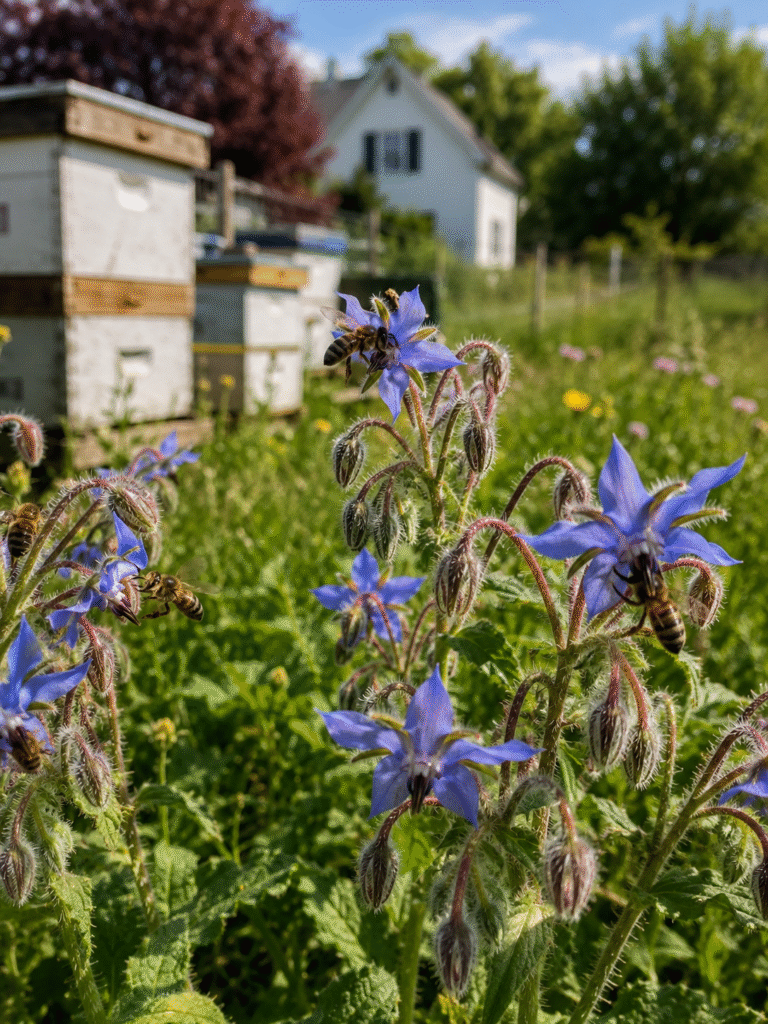
Here’s where I land after three seasons of watching my own bees ignore my unmowed lawn: do it if it costs you nothing and you enjoy the look of a slightly wild yard, but don’t count it toward your beekeeping goals, and don’t let it be the only pollinator-friendly thing you do this year. It’s a gateway habit, not a destination. The honey bees in my hives get more measurable benefit from a single 20-foot row of borage than from the entire back lawn going unmowed.
A Better Alternative: Building Real Forage Into Your Yard
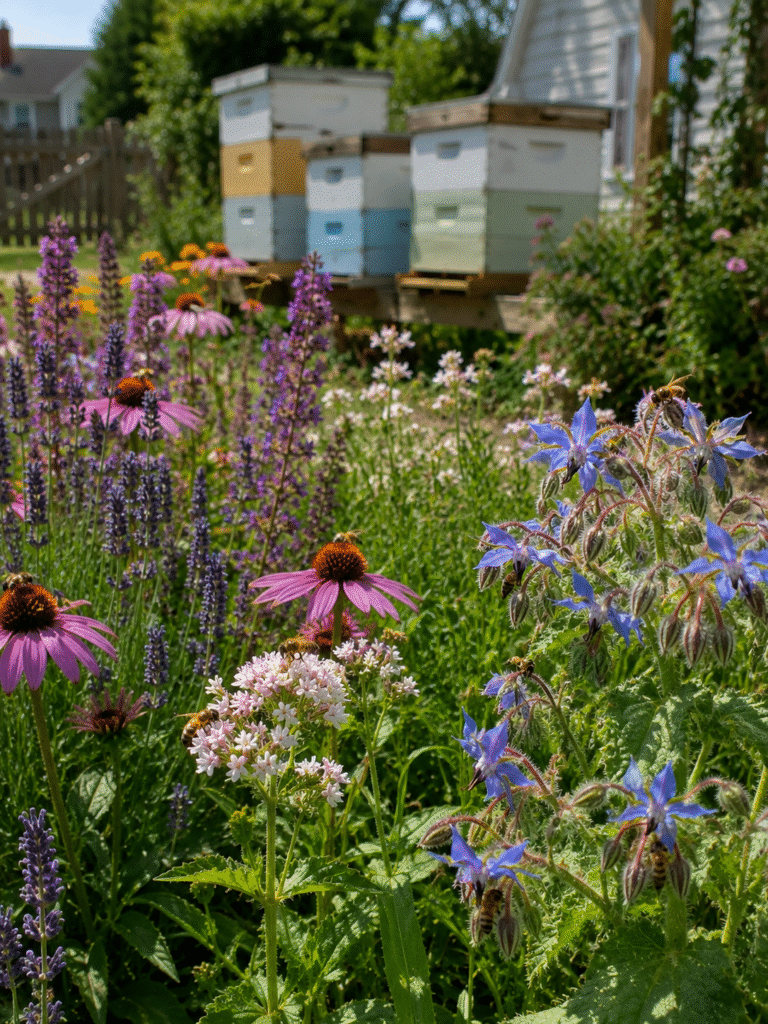
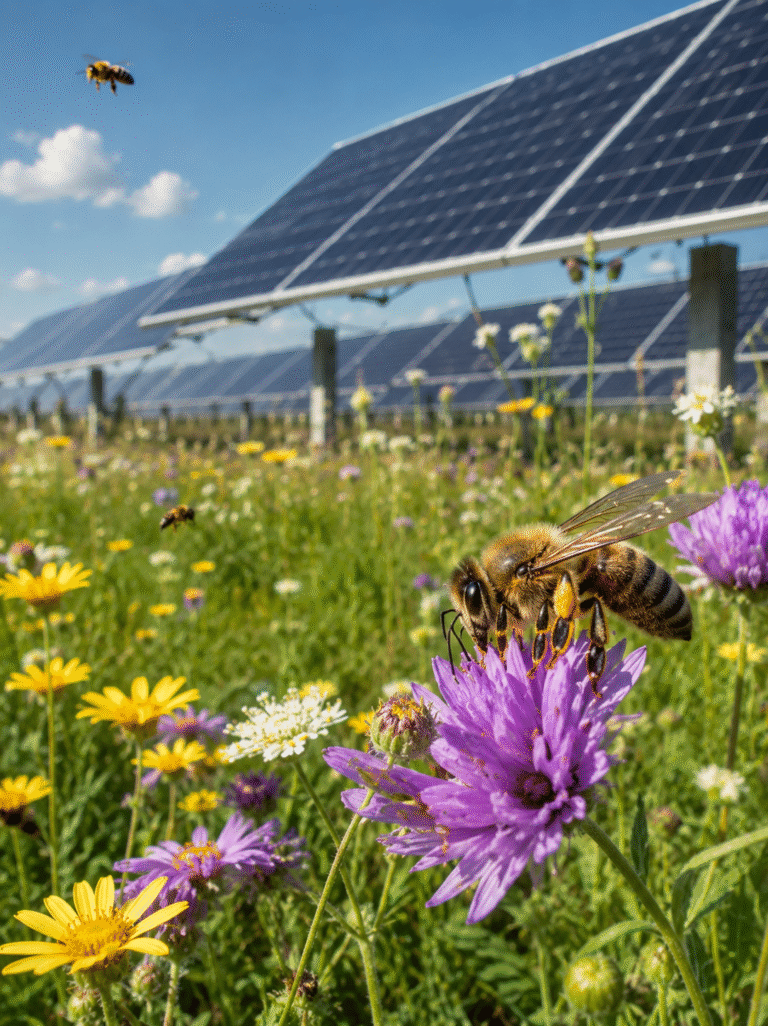
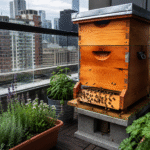
If the goal is actually feeding your colonies — not just signaling good intentions to the neighbors — the highest-leverage move is planting things bees will fly across the yard for, not hoping the existing lawn cooperates. Even without a lawn at all, container gardens on a balcony or patio can do more concentrated forage work than a quarter-acre of unmowed turf, because bees respond to density and bloom continuity far more than to sheer area.
Approach comparison:
- No Mow May (strict) — Low effort, free, ~4 weeks in May, low real benefit to honey bees (mostly helps native/solitary bees)
- Slow Mow Summer — Low-medium effort, free, whole growing season, low-medium benefit (more consistent, still lawn-limited)
- Planted pollinator bed — Medium-high effort, $30–150, 3–6 months of chosen bloom, high benefit (dense, continuous, targeted forage)
Lawn chemicals compound the problem regardless of which mowing approach you take — a lawn treated with broad-spectrum herbicide or insecticide isn’t safer for bees just because it’s unmowed; the flowers that do come up can carry residues that affect foraging bees directly.
4-Week Timeline: What Actually Happens If You Don’t Mow in May
- Week 1: Barely noticeable. Dandelions and clover start opening.
- Week 2: Grass reaches 4–6 inches, bloom diversity picks up, and you’ll start seeing more bumblebee and solitary bee activity — honey bee visits stay minimal.
- Week 3: The lawn starts to look and feel like a small meadow, 6–10 inches tall.
- Week 4: Full meadow mode. This is also the point where mowing it back down in one pass becomes genuinely risky for the turf.
FAQ
Does No Mow May actually help honey bees, or mostly native bees?
Mostly native and solitary bees. Honey bee colonies forage over a much wider radius for serious nectar sources, so a lawn full of dandelions and clover barely registers against what a hive needs, while a ground-nesting solitary bee working a small territory benefits directly.
Is it bad to stop mowing my lawn for a whole month?
It can be, if you cut it back to a normal height in a single pass afterward. Removing more than about a third of the grass blade’s height at once stresses the turf and can open it up to browning or weeds — mowing gradually over a week or two is safer.
What’s the difference between No Mow May and Slow Mow Summer?
No Mow May concentrates the “let it grow” period into one month. Slow Mow Summer spreads reduced mowing across the entire growing season, which better matches the emergence timing of native bee species that don’t appear until June or July.
What should I plant instead of relying on “weeds” to bloom?
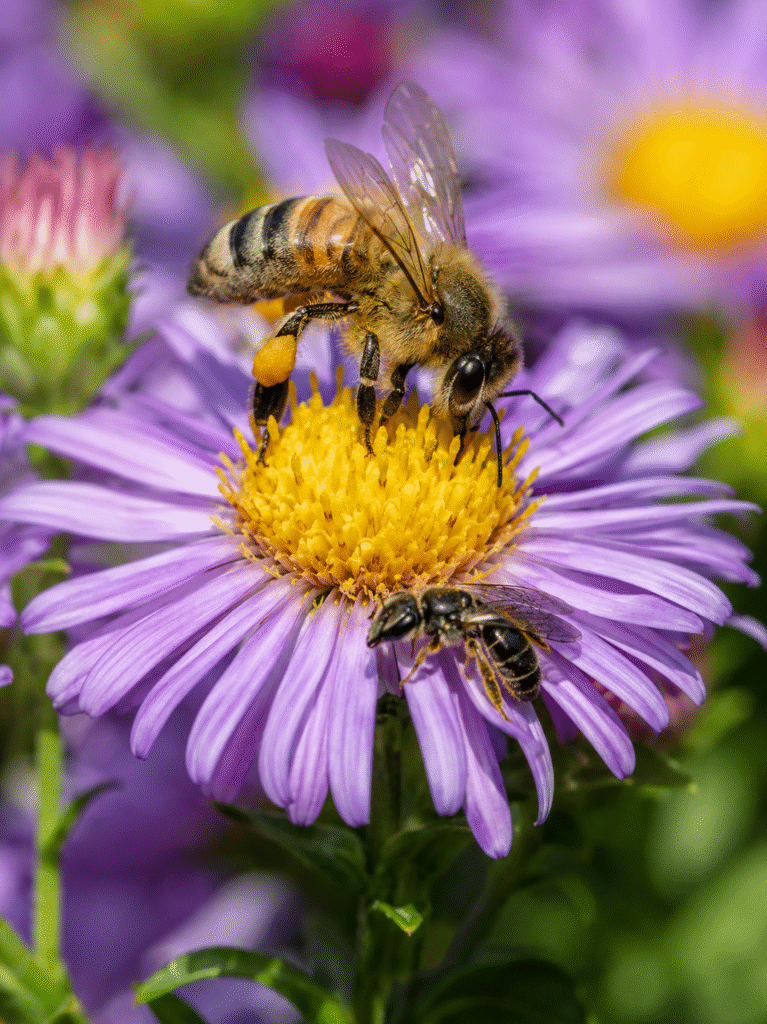
Borage, lavender, catmint, and native asters are reliable, dense, long-blooming choices that give honey bees a real reason to visit, unlike scattered lawn clover.
Do honey bees even forage much on lawn flowers like clover and dandelion?
Some, especially early in spring when little else is blooming, but it’s a minor part of their diet compared to orchard blooms, wildflower fields, or a dedicated garden bed.
When is it safe to mow again after No Mow May?
Bring the height down gradually — no more than a third of the blade length per pass, spaced a few days apart — rather than scalping an 18-inch lawn back to normal in one cut.
Will my neighbors or HOA have a problem with an unmowed lawn?
Possibly — some municipalities and HOAs still enforce lawn-height ordinances, though a growing number now explicitly exempt participants during designated no-mow periods. Check local rules before committing to a full month.