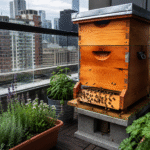
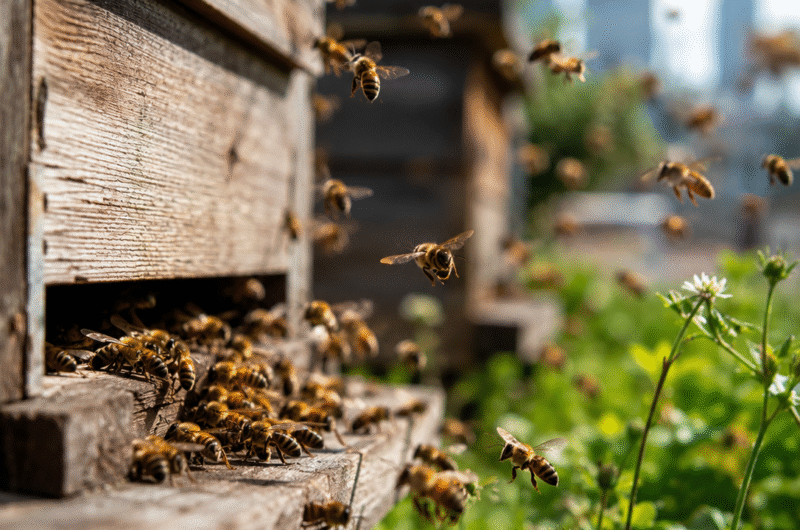

I remember the first rooftop apiary I ever visited in a European capital — four hives tucked behind an HVAC unit, overlooking a park no bigger than a football pitch. The building manager was proud of it. The beekeeper was proud of it. Everyone in that room that day agreed we were doing something good for the planet. Nobody in that room was thinking about the bumblebees working the same linden trees three floors down.
That’s the blind spot I want to talk about today, because a growing body of research says we’ve all been thinking about urban beekeeping backwards.
The Boom Nobody Regulated
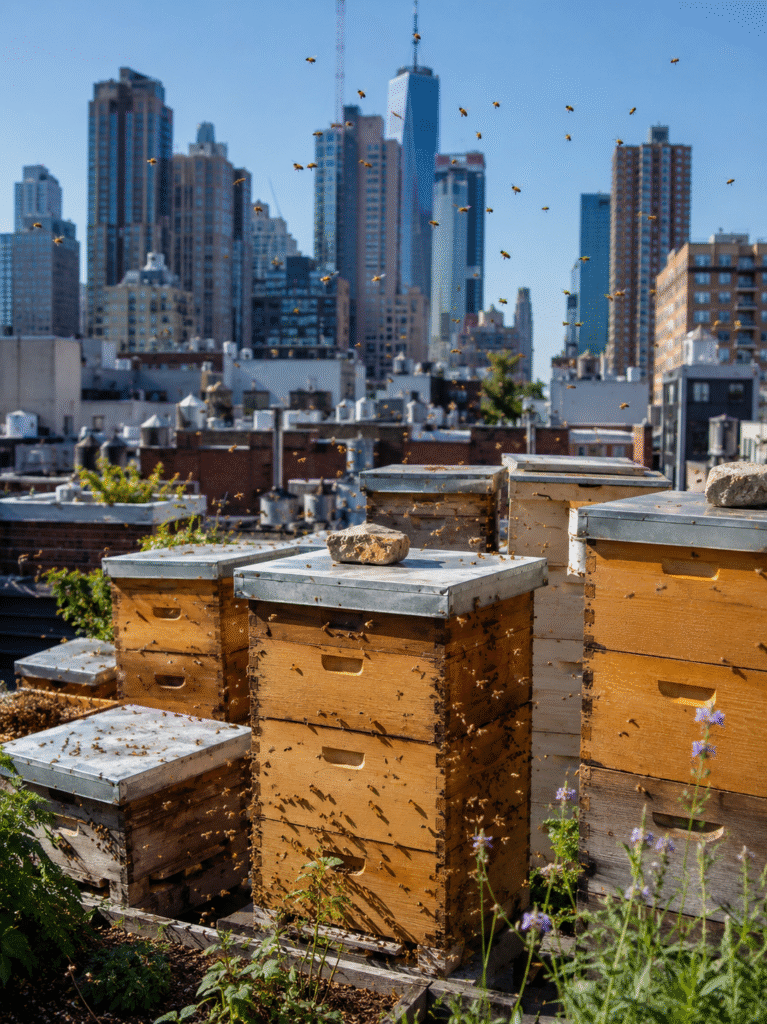
Here’s a number that should stop every urban beekeeper mid-sip of their coffee: the number of registered hives in Berlin has more than tripled between 2005 and 2022, with comparable surges recorded in Zurich, Paris, and Toronto. That’s not organic growth. That’s a movement — driven by genuinely good intentions, Instagram aesthetics, corporate sustainability pledges, and a decade of “save the bees” messaging that, frankly, I’ve contributed to myself as a writer in this space. nihResearchGate
The problem is that “save the bees” became shorthand for “get a honeybee hive,” when honeybees were never the pollinators in the most trouble. Apis mellifera is a managed livestock species. It’s not endangered. It’s not even close. Meanwhile, the roughly 20,000 wild bee species worldwide — the solitary mason bees, the leafcutters, the bumblebees — are the ones actually declining, and a lot of them can’t fly more than a few hundred meters from their nest to find food.
Put a dozen honeybee colonies on a set of rooftops within that radius, and you’ve just entered them into a competition they were never built to win.
What the Munich Research Actually Found
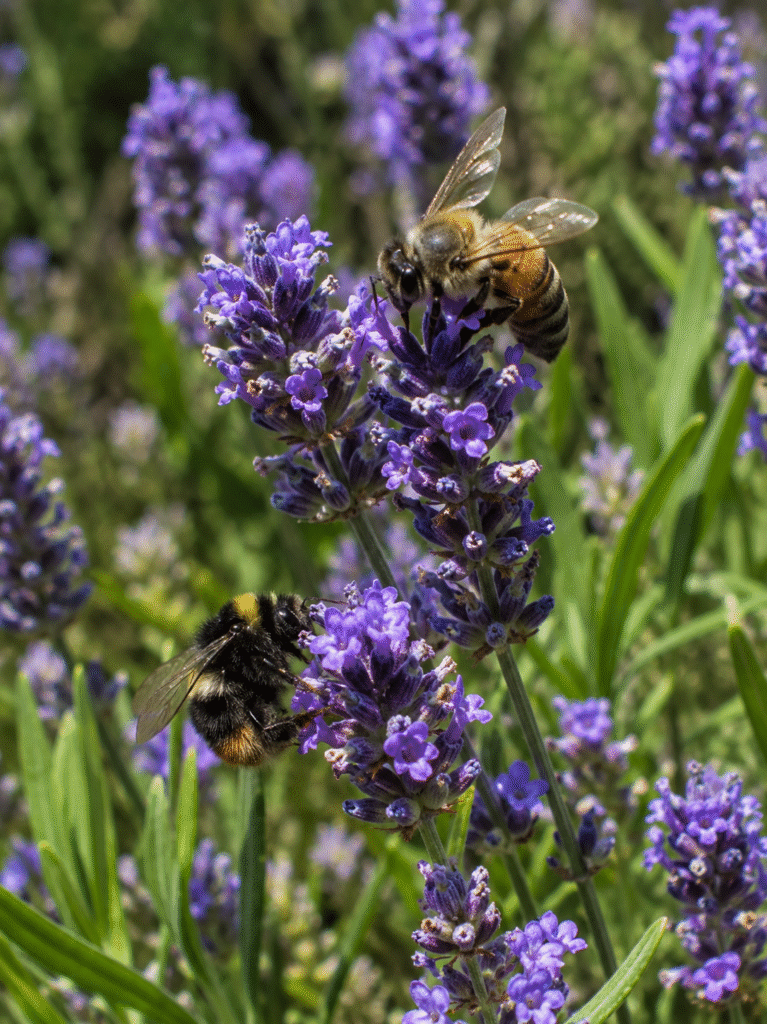
I spent time this spring going through a study out of the Technical University of Munich that I think should be required reading for anyone hanging a hive box on a balcony. Researchers there, publishing in the journal People and Nature, laid out something beekeeping culture has been reluctant to say out loud: the rapid rise in urban honeybee populations raises real concerns about competition for floral resources and disease spillover into wild bee populations, and it calls for better regulation and management of urban beekeeping. Phys.org
That’s not activist rhetoric. That’s a peer-reviewed research consortium that included practicing beekeepers alongside ecologists.
What struck me most wasn’t the warning — it was the mechanism. The Munich team’s earlier fieldwork in the city’s Botanical Garden had already shown something concrete: when they tracked bee visits to 29 plant species over two seasons, honeybee numbers were similar between the two years in early spring, but rose sharply from May through July in the second year, and that spike correlated with a measurable shift of visits away from wild bees toward honeybees on the same flowers, with no flower species showing the reverse pattern. In plain English: when honeybee density goes up, wild bees quietly lose their seat at the table, and they never got compensated for it somewhere else. SflorgSpringer
This is what ecologists call exploitative competition, and it’s a slow, invisible process. Nobody sees a fistfight over a flower. You just see fewer bumblebees on your lavender than you did five years ago, and you assume it’s “just one of those years.”
The Part Beekeepers Don’t Like Hearing
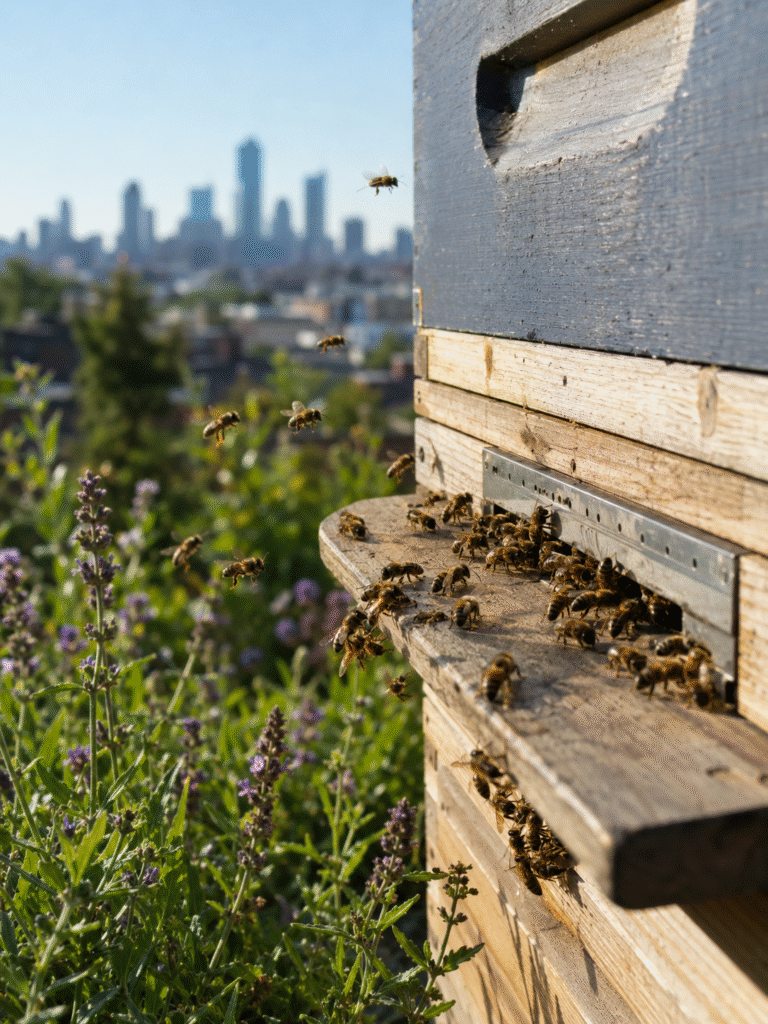
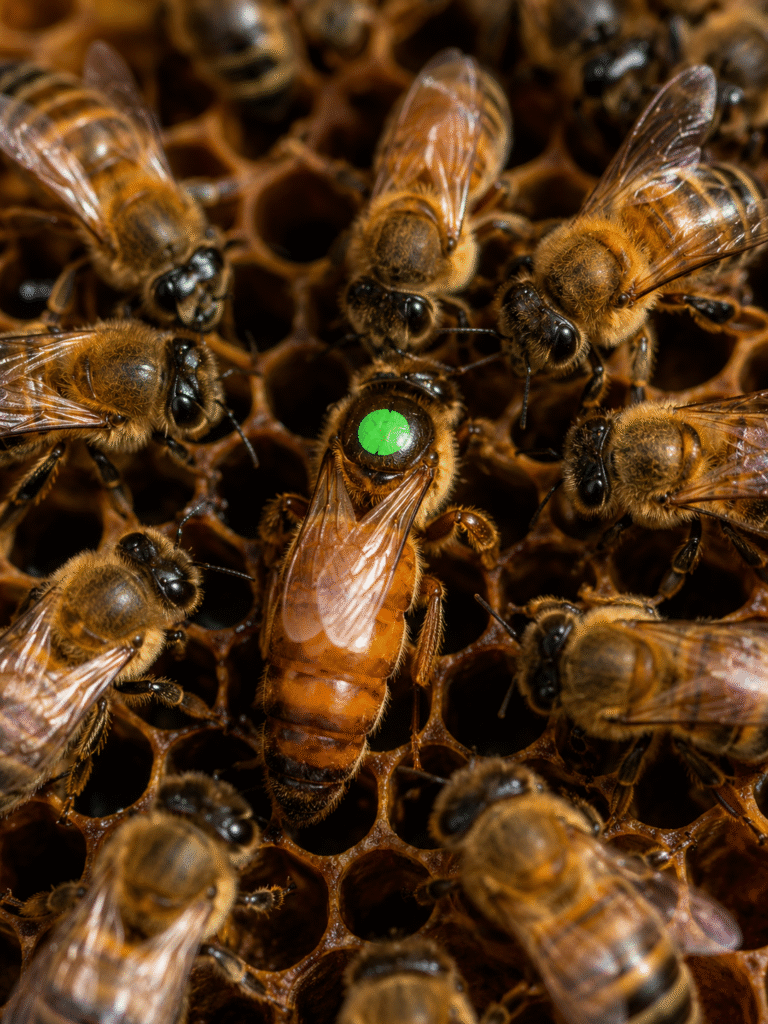
I’ve kept bees around cities for most of my career, and I’ll say this plainly because it needs saying: a single hobbyist with one or two hives on a suburban plot is not the problem. The research backs that up too — it’s the concentration of many hives managed by a small number of actors that can exploit an outsized share of the available floral resources. A rooftop with forty colonies for a corporate “bee-washing” campaign is an entirely different animal than your neighbor’s two hives behind the shed. Phys.org
That distinction matters enormously for how this gets fixed, because it means the answer isn’t “ban urban beekeeping.” It’s “regulate density the way we already regulate livestock density everywhere else in agriculture.” We just never thought of a hive as livestock before, because it doesn’t moo or bleat.
The Munich researchers were careful to frame this the same way. Their proposed “Urban Bee Concept” isn’t a prohibition — it’s a coexistence framework. As lead researcher Monika Egerer put it in comments accompanying the study’s release, most people take up urban beekeeping because they genuinely want to help bees, and with better knowledge-sharing, cities can make sure that help extends to wild bees too, not just honeybees. I think that’s the right spirit — less finger-wagging, more informed hive placement. PubMed Central
Disease Is the Quiet Second Problem
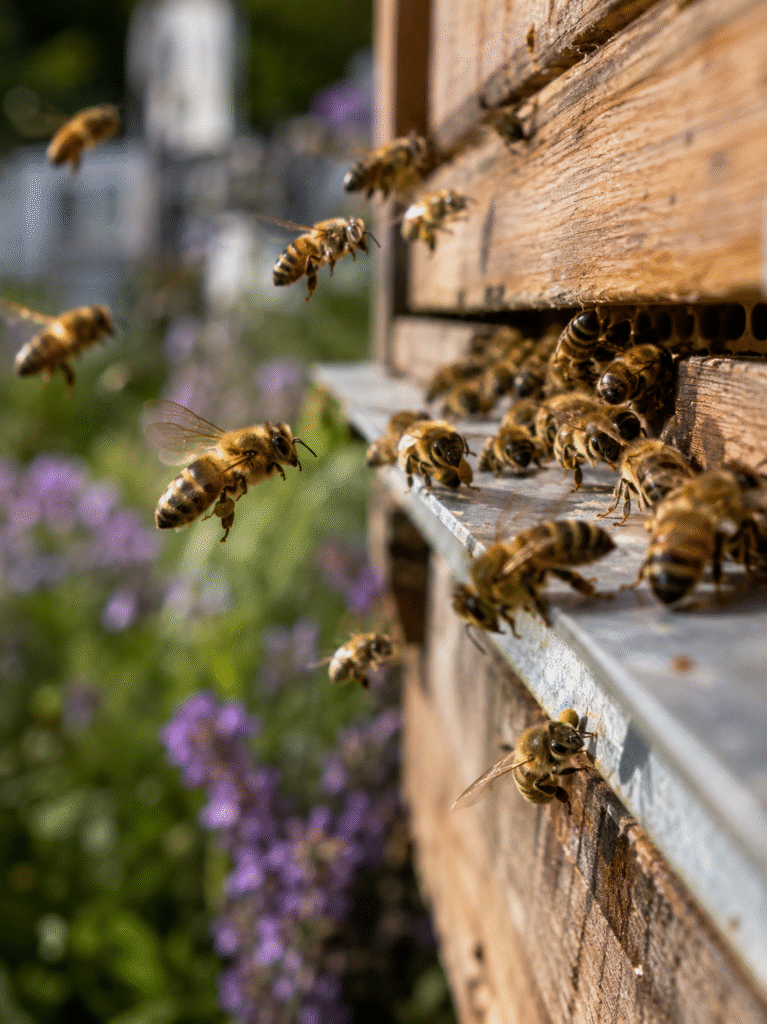
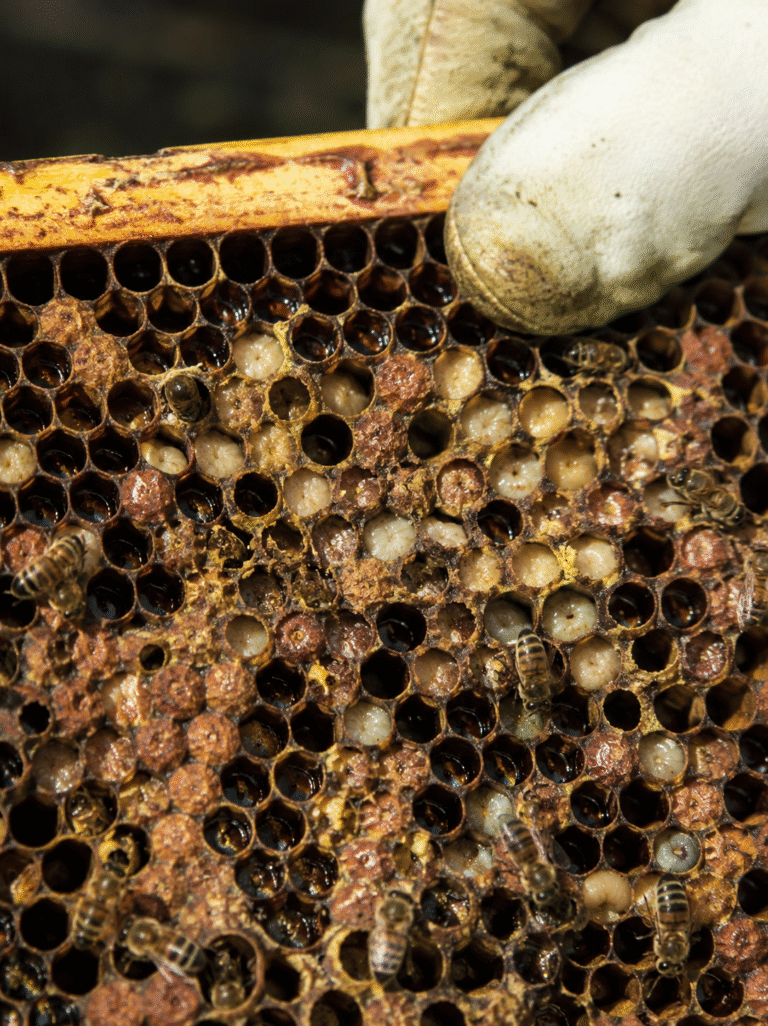
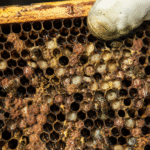
Resource competition gets the headlines, but disease spillover deserves equal attention, and it’s the part I rarely see discussed on beekeeping forums. Honeybee colonies carry pathogens and viruses — deformed wing virus, various Nosema strains, assorted RNA viruses — at background levels that a healthy colony tolerates fine. Cram dozens of colonies into a few square kilometers of urban forage, and you’ve built a viral reservoir that shares flowers with bumblebees, mason bees, and sweat bees every single day. Cross-species pathogen transmission at shared flowers isn’t hypothetical; it’s one of the two central concerns the Munich team flagged directly alongside resource competition.
If you keep bees in a dense urban cluster and you’ve never once thought about your colony’s viral load as something that leaves the hive through the front door, this is your nudge to start.
So What Should a Responsible Urban Beekeeper Actually Do?
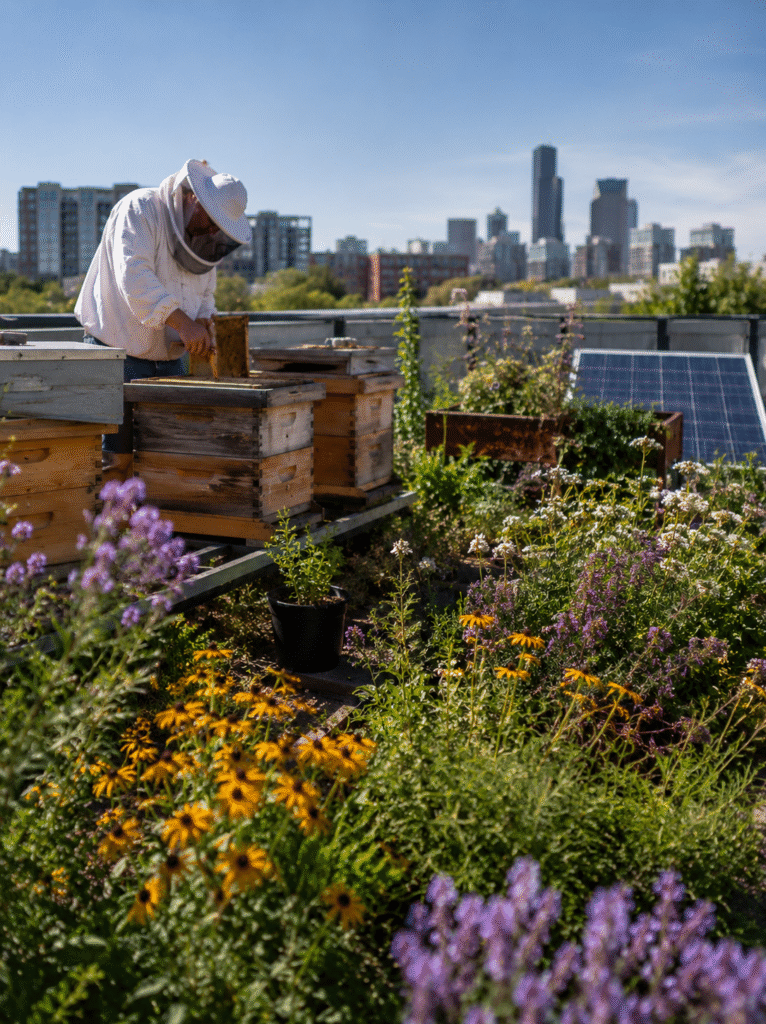
I’m not going to tell you to give up your hive — I wouldn’t listen to that advice myself. But here’s what I’ve changed in my own approach after sitting with this research for a few months:
Know your forage radius before you add a colony, not after. A honeybee will fly up to 3 miles for good forage, but the economically efficient range is closer to half a mile. If there are already several apiaries within that circle, you’re not helping bees — you’re diluting a shared, finite buffet.
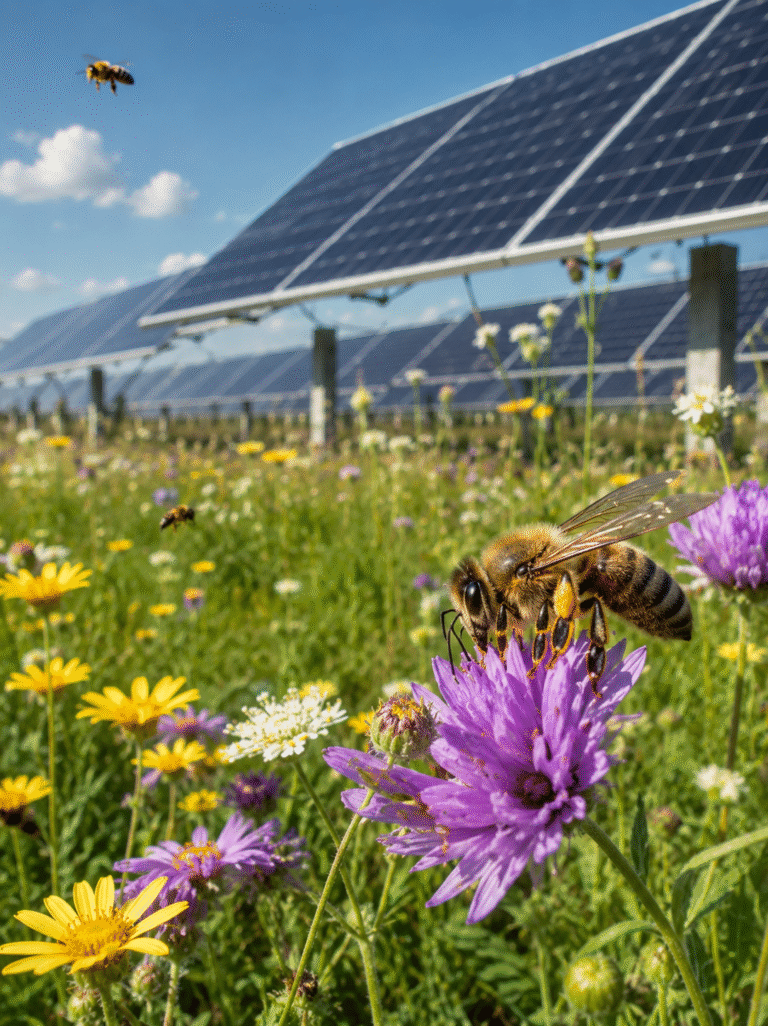
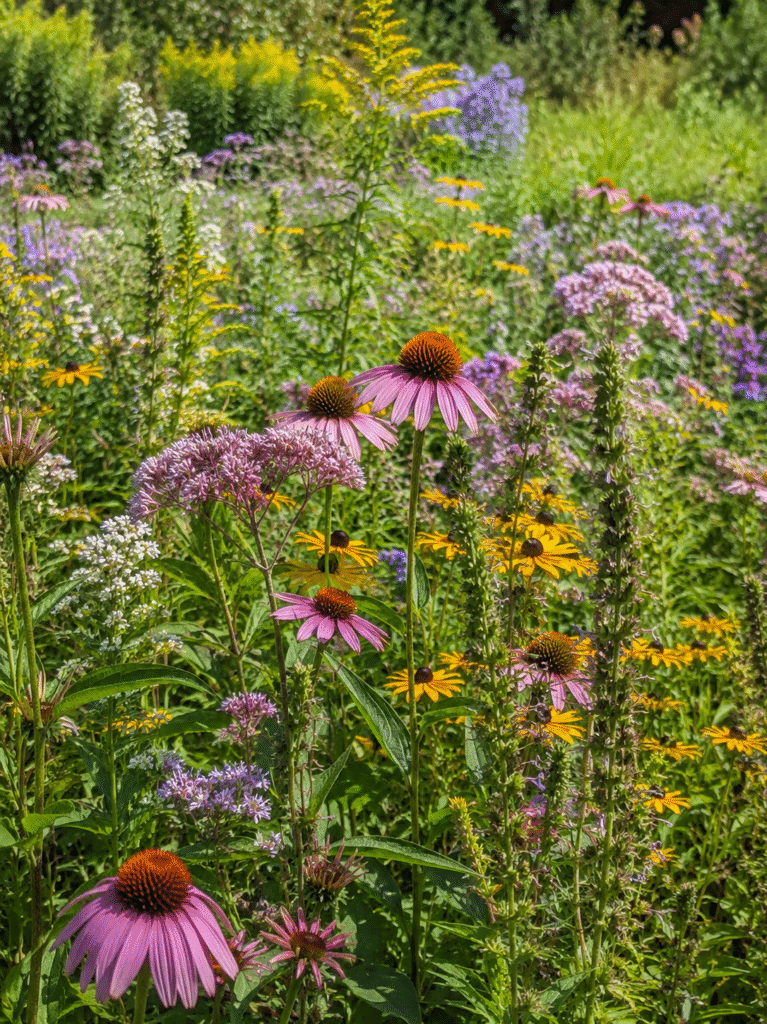
Plant before you place. If you’re adding hives, plant forage specifically for wild bees at the same time — native plants with the small, shallow flowers that bumblebees and solitary bees prefer and honeybees often ignore. You’re not just offsetting your hive’s footprint; you’re actively widening the table.
Stagger your timing with neighboring apiaries if you can. Early spring is when floral resources are tightest and competition is sharpest. If your area already has heavy honeybee density in April, that’s the worst possible month to add more colonies.
Support — don’t ignore — city-level hive registries. Several European cities are moving toward carrying-capacity estimates for urban apiaries, similar to zoning limits. That’s not bureaucracy for its own sake; it’s the only mechanism that can actually see the cumulative picture no individual beekeeper can see from their own rooftop.
Why This Matters Beyond the Hive
Here’s the bigger point I keep coming back to. For fifteen years, the public conversation about pollinator decline has trained people to think “buy a beehive, save the bees.” That message raised genuine awareness — I don’t want to undersell that — but it also let an entire category of pollinators, the wild ones actually facing habitat loss and population collapse, get quietly overshadowed by the species doing the best of any bee on Earth.
If you care about pollinators generally rather than honeybees specifically, the most useful thing you can do this year might not be adding a third hive. It might be leaving a patch of your garden a little wilder, skipping the pesticide on your ornamentals, and letting a lot more of the twenty thousand other bee species finally get a turn at the flowers.
Frequently Asked Questions
Do honeybees actually harm wild bees, or is this overstated?
The evidence points to real, measurable competition for floral resources in dense urban settings, along with a disease-spillover risk — but it’s concentration-dependent. A hobbyist with a hive or two isn’t the driver; large clusters of colonies in resource-poor urban areas are.
Is urban beekeeping bad for the environment overall?
Not inherently. It becomes a problem specifically where honeybee density outpaces the available forage and displaces wild pollinators who can’t travel far to compensate.
Should cities limit the number of beehives allowed?
Researchers behind the 2026 “Urban Bee Concept” argue for exactly that — carrying-capacity estimates and coexistence planning rather than a blanket ban.
What can I do as a hobbyist to reduce my hive’s impact on wild bees?
Assess forage density in your area before adding colonies, plant specifically for wild bees, and avoid adding hives during the tightest forage months of early spring.