
If you’ve kept bees for more than a single season, you already know the name. You might not call it by its full title — most beekeepers I know just call it “the Varroa guide” — but if you’ve ever gone looking for a straight answer on how to deal with mites without falling down a rabbit hole of conflicting forum advice, chances are you’ve ended up on this document at some point.
The Honey Bee Health Coalition just released the ninth edition of the Tools for Varroa Management Guide, and for an update that probably won’t make it onto any general news site, this is genuinely one of the more useful things to land in a beekeeper’s inbox this year.
Why This Document Carries So Much Weight
Here’s some context that surprised me when I first looked into it: this guide has been downloaded more than 2 million times since it was first published. That’s not a niche document quietly circulating among hobbyists. When beekeepers, extension agents, and state inspectors talk about “what the research recommends” for mite control, there’s a very good chance they’re either citing this guide directly or repeating something that traces back to it. State apiary associations frequently adopt its thresholds as their own official recommendations. It’s become the closest thing this industry has to a shared rulebook, even though nobody’s required to follow it.
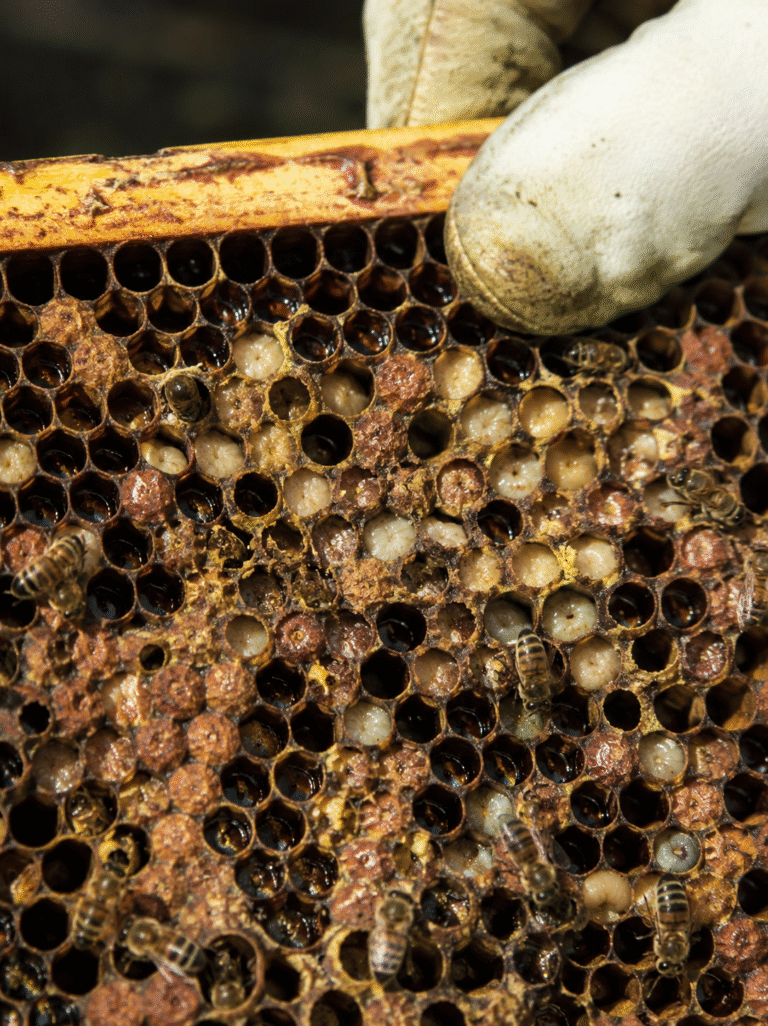
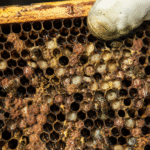
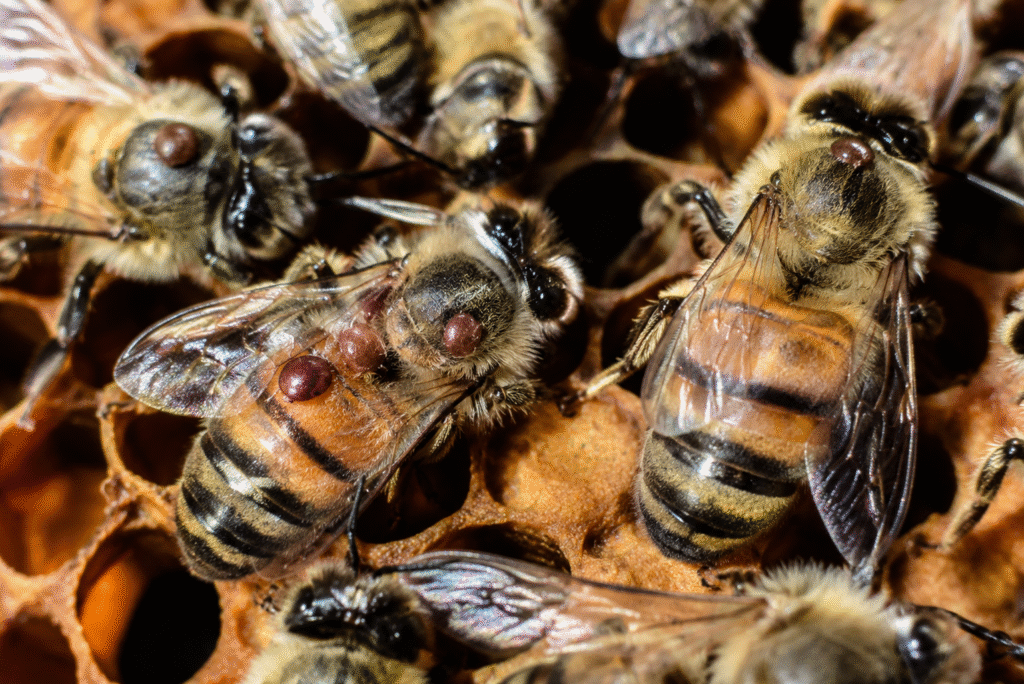
That matters because varroa mites are not a minor nuisance — they’re widely considered the single biggest threat to managed honey bee colonies in North America. These parasitic mites attach to bees and their larvae, draining them and, worse, spreading viral diseases between bees and between colonies. An untreated colony doesn’t just struggle. It typically collapses within one to three years. Multiply that across an entire operation, and you start to understand why a single reference guide carries this much influence — getting mite management wrong isn’t a small mistake, it’s the difference between a colony that overwinters successfully and one that doesn’t make it to spring.
What’s Actually New in the Ninth Edition
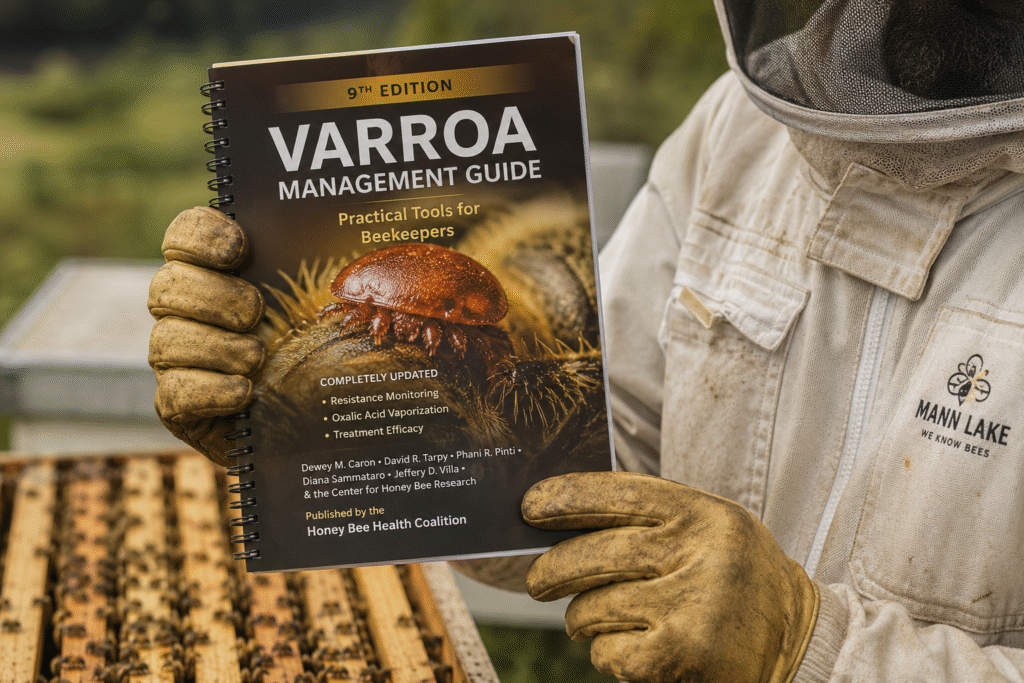
Dewey Caron, Emeritus Professor of Entomology at the University of Delaware and one of the guide’s principal authors, described this edition as completely updated, built to be a concise, single package covering what beekeepers actually need to know. His framing of the goal is worth repeating in his own words because it’s specific and practical: the guide is meant to help beekeepers flatten the varroa growth curve and reduce the viral epidemics that follow when mite populations get out of hand.
The most meaningful changes in this edition center on resistance monitoring. Varroa mites have been developing resistance to amitraz, one of the most commonly used treatment chemistries, and the updated guide reflects the latest data on where and how that resistance is showing up. There are also clarifications around oxalic acid vaporization protocols — specifically around timing, which has been a point of confusion for plenty of beekeepers trying to get the most out of that treatment method. And the efficacy ranges for various treatments have been adjusted based on newer field studies, rather than relying on numbers that might be five or six years out of date by now.
The core monitoring framework hasn’t changed dramatically, which is honestly reassuring rather than disappointing. Alcohol wash remains the recommended method for sampling adult bees, still considered the most accurate way to get a real read on infestation levels. The treatment thresholds remain anchored around 2% mite infestation during summer and 1% in fall — numbers that have become second nature to a lot of experienced beekeepers, the kind of figures you just know the way you know your own phone number.
Why a Guide Like This Even Needs Updating
I think it’s worth explaining why a document like this can’t just get written once and left alone. Varroa management isn’t a solved problem — it’s a moving target, because the mites themselves keep adapting. New treatment products get approved. Older ones lose effectiveness as resistance builds. Researchers refine their understanding of timing and dosing based on field data that simply didn’t exist when the previous edition went to print. The seventh edition came out in 2018. The eighth arrived in 2022, bringing updates on products approved in the years between. Each version isn’t really a rewrite so much as a recalibration, built by a genuinely wide group — beekeepers, entomologists, apiary inspectors, federal regulators — all comparing notes on what’s actually working in the field versus what sounded good in theory.
Margaret McGuirk, who helps coordinate the Coalition’s work, put it simply: the best solutions come from getting the right people around the table, and that’s really what each new edition represents — a fresh round of that conversation, captured and distributed for free.
What This Means If You Manage Hives
If you haven’t pulled mite counts yet this season, this is as good a prompt as any to start. The guide is free, it’s thorough, and unlike a lot of beekeeping advice floating around online, it isn’t someone’s personal theory dressed up as fact — it’s a synthesis of what a wide range of credentialed experts currently agree actually works.
I’d specifically flag the resistance monitoring updates if you’ve been leaning on amitraz-based treatments for a while without rotating chemistries. Resistance doesn’t announce itself with a dramatic colony collapse on day one. It shows up gradually, as a treatment that used to knock mite counts down hard suddenly seems to barely move the needle, and by the time that pattern is obvious, you’ve usually already lost ground you didn’t need to lose.
None of this is glamorous. Nobody’s filming a satisfying reel of someone doing an alcohol wash count. But this kind of unglamorous, recalibrated guidance is exactly the sort of thing that quietly separates beekeepers who make it through a brutal mite season from the ones who get blindsided by it. Worth the read, even if it never goes viral.