
I got a text from a reader a while back, pretty rattled, asking if the bees in her garden might be “the dangerous kind.” She’d read something online about killer bees showing up somewhere in the South and wanted to know if she should be worried about the colony living quietly in her hedge. I told her, almost certainly not — but it got me thinking about how little most people actually know about the difference between the honeybees in their backyard and the ones that earned that nickname in the first place.
That conversation feels a lot more relevant now. Beekeepers in southeastern Alabama recently trapped what officials are calling a “feral swarm” of killer bees, the latest in a string of sightings that’s been popping up across the country. And while the headline sounds like something out of a B-movie, the actual story is worth understanding properly, especially if you’re anywhere near where these bees have started turning up.
What Actually Happened in Alabama
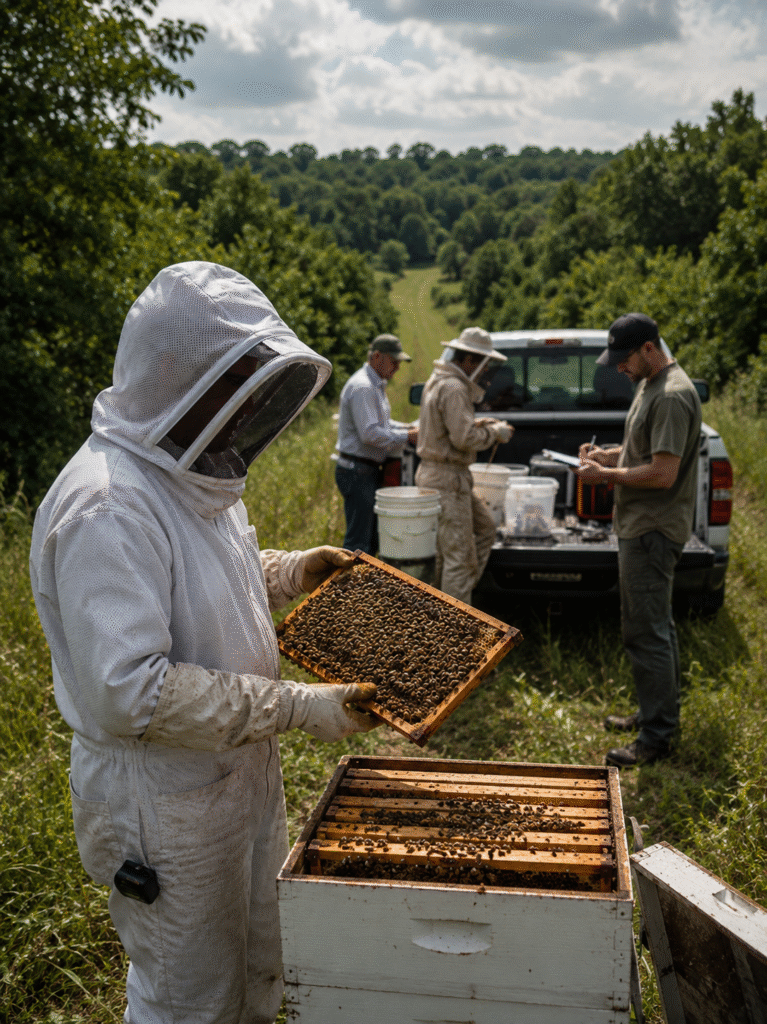
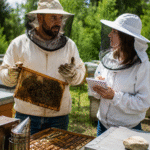
The discovery was confirmed by the Alabama Department of Agriculture and Industries, marking the first time Africanized honeybees — the official name for what most people call “killer bees” — have been found in Barbour County. Local beekeepers spotted the swarm, collected it, and the department made the call to euthanize it, a decision made specifically to protect the state’s existing honeybee population from the more aggressive subspecies.
Agriculture Commissioner Rick Pate didn’t try to downplay the seriousness of it, but he also didn’t lean into panic. “There is no reason for public concern at this time, but we are treating this situation seriously,” he said, explaining that the department is working alongside local beekeepers and entomology experts to make sure detection and response stay fast if more swarms show up.
And they’re not just hoping for the best. The department deployed traps across a five-mile radius around the site where the swarm was found, setting up a monitoring system to figure out whether this was an isolated incident or the first sign of something more established taking root in the area.
So What Actually Makes a “Killer Bee” Different?
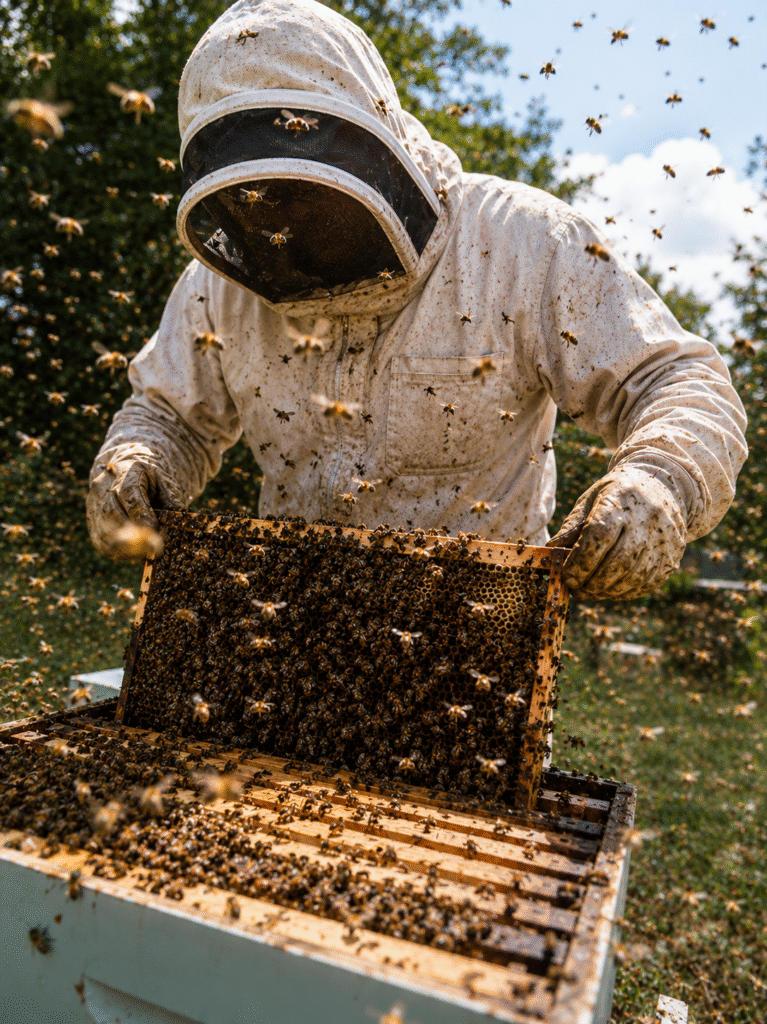
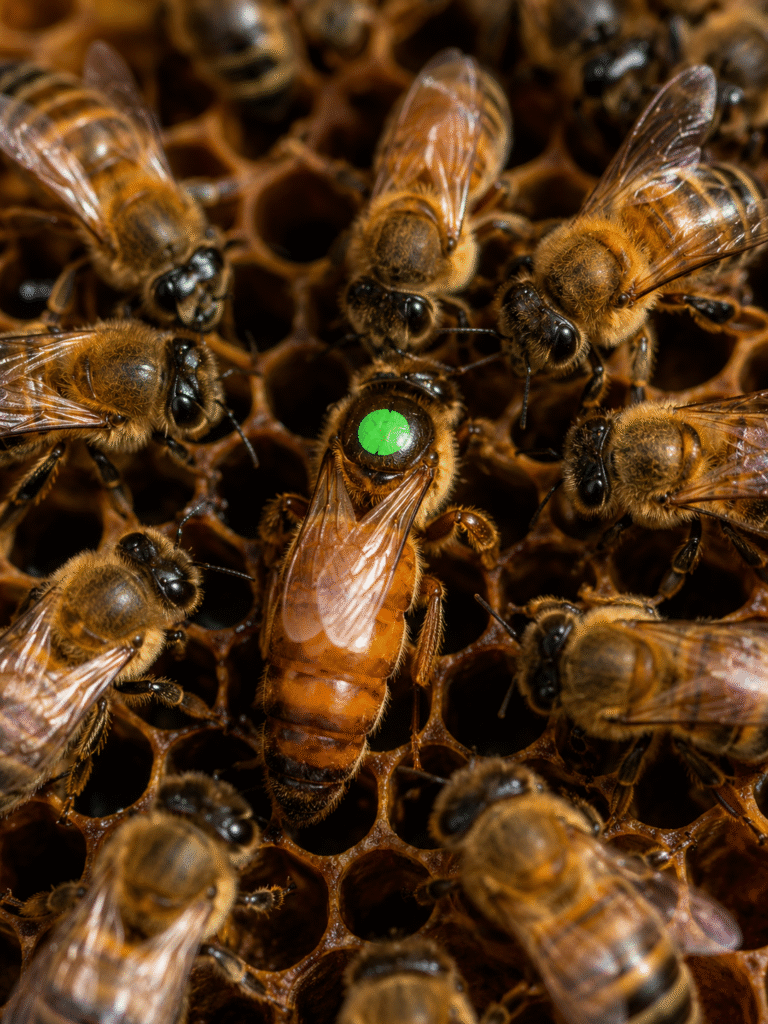
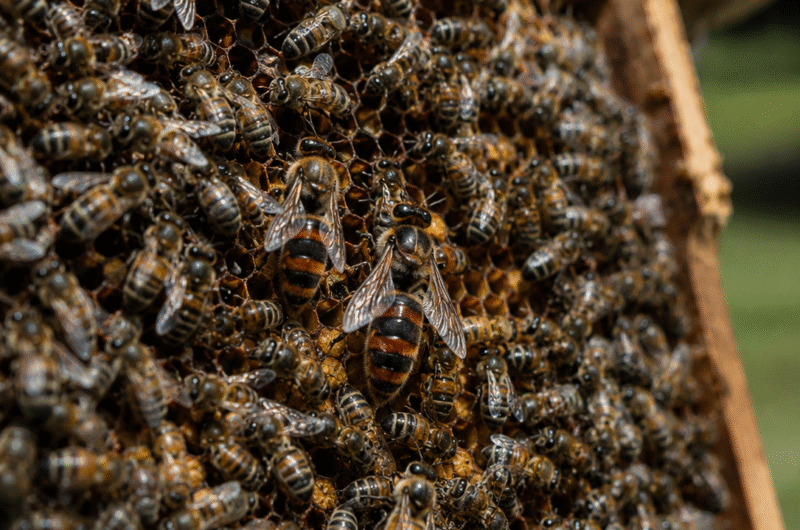
Here’s where I think the nickname does more harm than good, because it makes people picture something almost monstrous — bees with some kind of supercharged sting, maybe larger, maybe visibly menacing. The reality is almost the opposite. Africanized honeybees are a hybrid of African and European honeybee subspecies, and visually, they look nearly identical to the European honeybees most American beekeepers already manage. You couldn’t pick one out of a lineup based on looks alone.
The difference isn’t in appearance. It’s in temperament, and specifically in how dramatically they escalate when they feel threatened. They tend to defend their colonies far more aggressively than European honeybees, they swarm more frequently, and they’re far less picky about where they set up a nest — utility boxes, debris piles, places no sensible European honeybee colony would bother with. That adaptability is actually part of what’s made them so successful at spreading since they were first introduced to the Americas back in 1956.
The sting itself isn’t more potent, despite what people assume. What changes is the response. Where a European honeybee colony might send out a handful of defenders if you get too close, an Africanized colony can respond in far greater numbers, and they don’t give up easily — officials note they’ll pursue a perceived threat for up to a mile. That’s not a typo. A mile. If you’ve ever been stung once or twice by a defensive European hive and considered that bad enough, picture that response multiplied many times over and refusing to stop at the property line.
The Smithsonian Institution, which has tracked Africanized honeybees closely since their spread through the Americas, notes they’ve been linked to roughly 1,000 human deaths, with victims receiving around ten times as many stings as a typical European honeybee encounter produces. That’s not because each individual sting is worse. It’s because the colony doesn’t stop sending reinforcements the way a calmer colony would.
This Isn’t an Isolated Incident
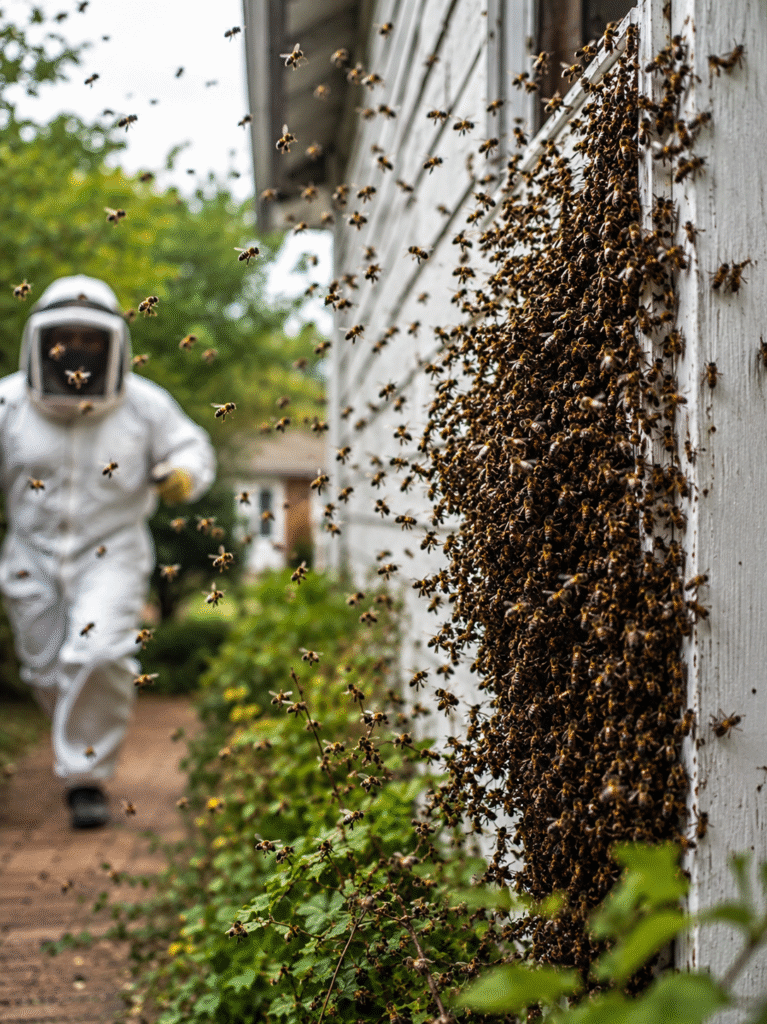
Alabama’s discovery didn’t happen in a vacuum. In the three months leading up to it, swarms in Texas attacked and killed one man and sent three others to the hospital after their colony was disturbed. Near Phoenix, a swarm chased a group of hikers for roughly a mile near the end of a trail, and every one of them needed medical attention afterward.
Killer bees have now been confirmed in thirteen states: Alabama, Arizona, Arkansas, California, Florida, Georgia, Louisiana, Mississippi, Nevada, New Mexico, Oklahoma, Texas, and Utah. South Florida currently has the highest concentration of any state. That’s a wide footprint, and it’s worth being honest about what it means — this isn’t some freak occurrence limited to one unlucky county in Alabama. It’s a slow, steady expansion that’s been underway for years, with Alabama simply being the latest dot added to the map.
What This Means If You Keep Bees Nearby
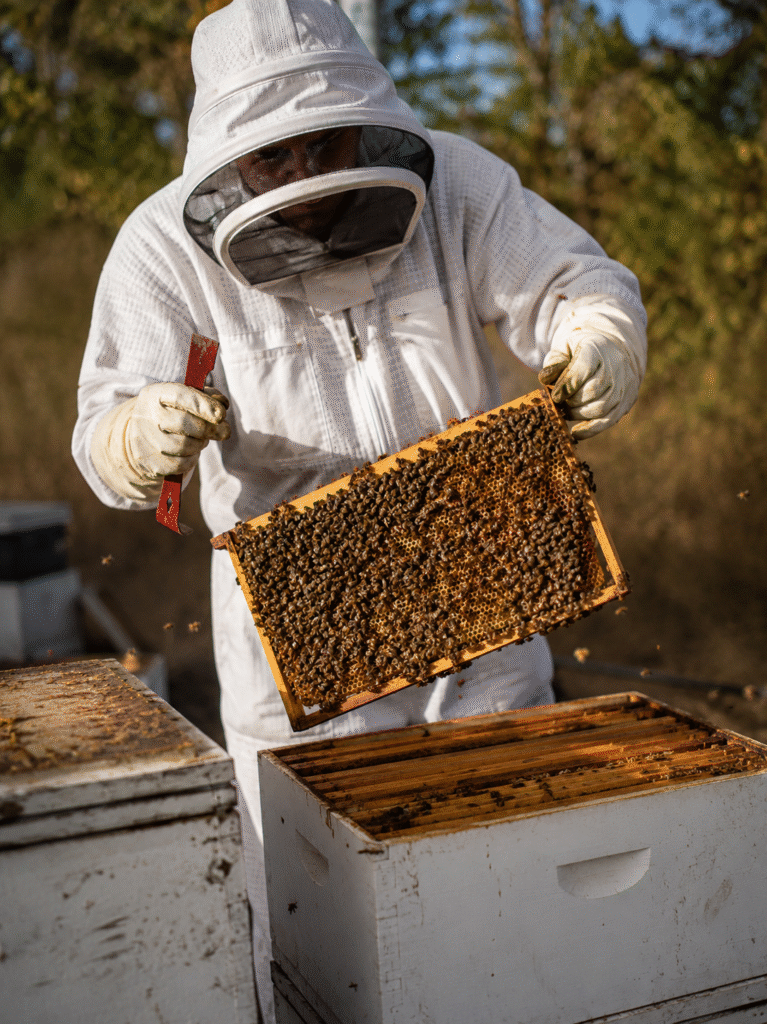
If you’re a beekeeper anywhere near one of these thirteen states, this is genuinely worth paying attention to, and not in a casual “good to know” way. Africanized genetics can spread into existing European honeybee populations through interbreeding, which means the swarm captured in your own bee box one day might carry more aggressive traits than you’d expect from a typical split or a wild capture. If you’ve ever pulled in a feral swarm without much thought beyond “free bees,” it might be worth being a little more careful about that going forward, especially in regions where Africanized bees have already been confirmed.
The Alabama department’s guidance for the general public is worth repeating plainly: don’t disturb or attempt to remove any colony or swarm yourself if there’s any chance it could be Africanized. Leave that to registered beekeepers and the relevant state apiary authorities, who actually have the training and equipment to assess and handle it safely. And if you notice unusually aggressive behavior from a colony — defenders coming out in unusually high numbers, or pursuit that goes on longer than you’d expect — report it rather than assuming it’s just a bad day for an otherwise normal hive.
The Part I Keep Coming Back To
What strikes me most about this story isn’t really the fear factor, even though that’s what gets the headlines and the clicks. It’s how much nuance gets lost the moment “killer bees” becomes the entire conversation. These aren’t monsters. They’re a hybrid subspecies doing exactly what evolution shaped them to do — defend aggressively, spread opportunistically, survive in places their European cousins might not bother with. The real story isn’t about villainous insects. It’s about how quietly an ecological shift can creep across a continent over seventy years, one swarm, one new state, one news story at a time, until eventually it shows up in a county that had never seen it before.
For most people, including most beekeepers outside the affected states, this still isn’t a daily concern. But “not yet a concern” and “permanently irrelevant” are two very different things, and Alabama just found that out the hard way.