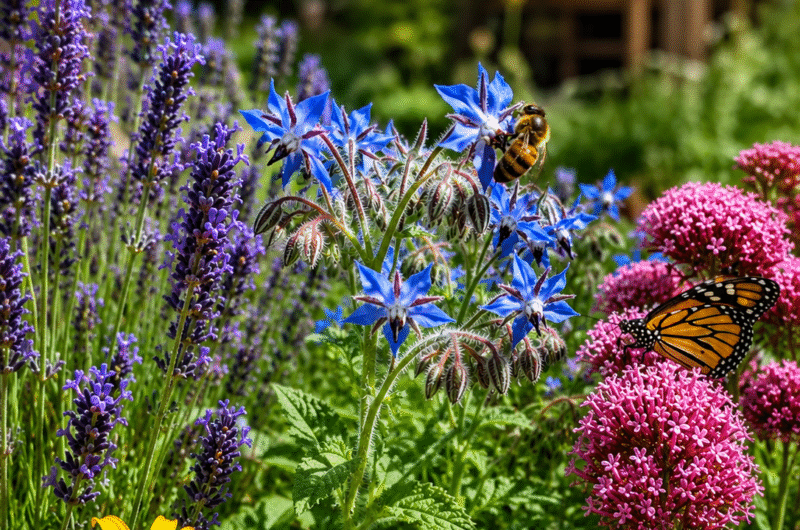

You don’t need a farm. You don’t even need a garden. You just need a little intention — and maybe a balcony.
A few summers ago, my neighbor knocked on my door holding a small pot with a scraggly purple plant in it. “Lavender,” she said. “Put it by your window. The bees will find it within a week.”
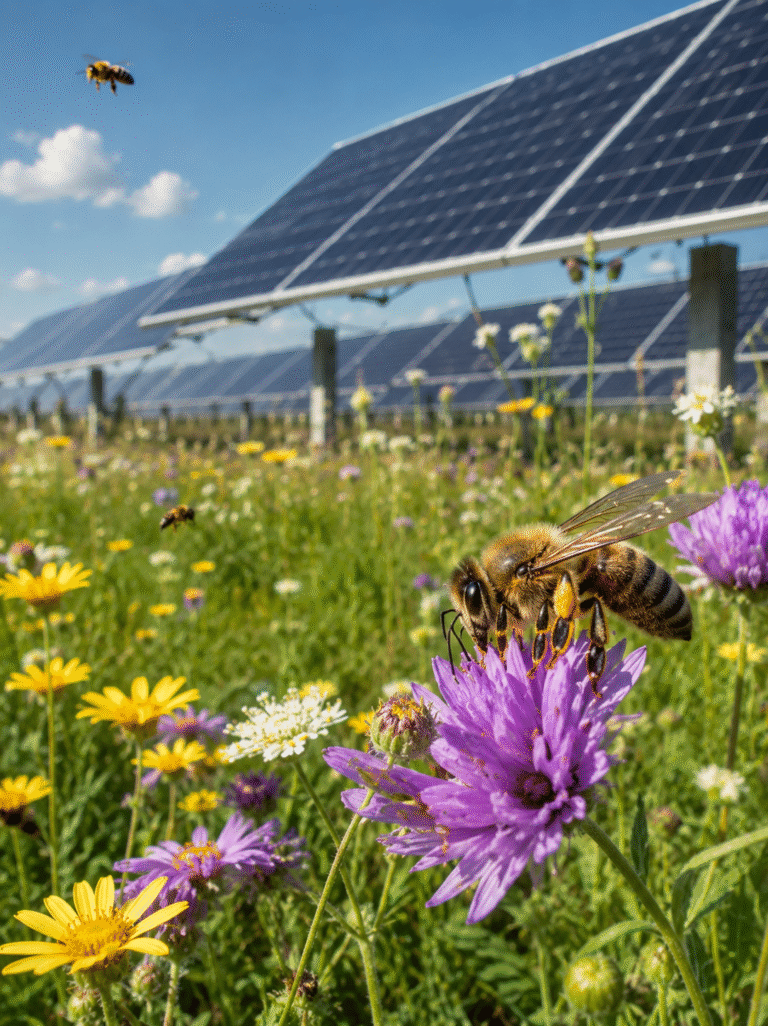
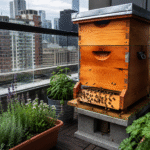
I was skeptical. I lived in an apartment. My “garden” was a narrow balcony with two sad potted tomatoes and a very optimistic rosemary bush. But I put the lavender out there, and honestly? She was right. By day three, there were bees on it. By the end of the week, I’d counted four different species visiting — including a fat bumblebee that clearly considered the whole pot her personal property.
That little lavender plant changed how I think about where beekeeping starts. It doesn’t start with hives. It starts with flowers.
The hard truth is this: bees don’t need us to keep them in boxes. They’ve been doing fine on their own for 100 million years. What they desperately need right now is food. Monoculture farming, lawn obsession, urban sprawl — we’ve replaced the diverse, messy, flower-rich landscapes bees evolved with into environments that are essentially food deserts for pollinators.
Planting even a small patch of the right flowers is one of the most direct things any person can do. And the plants I’m about to share with you aren’t rare or difficult. Most of them you can find at any garden center, grow in pots, and largely ignore once they’re established.
1. Lavender — The One Plant That Does Everything
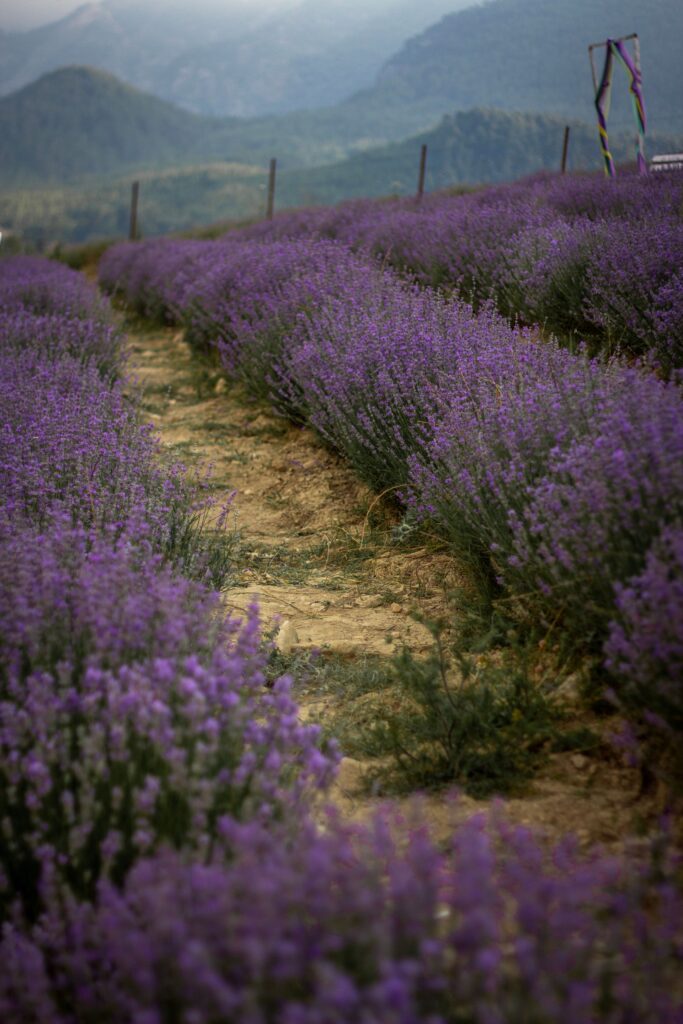
Let’s start with the obvious one, because it earns its reputation.
Lavender (Lavandula spp.) is practically a cheat code for attracting bees. The long flowering spikes — which last from late spring well into summer depending on your variety — produce both nectar and pollen in quantities that make beekeepers genuinely excited. On a warm afternoon, a healthy lavender bush in full bloom sounds like it’s humming. That’s not a metaphor. You can actually hear the bees working it.
What makes lavender especially valuable is its bloom timing. It flowers when many other plants have already finished, bridging a critical gap in the forage calendar that beekeepers call the “June gap” — a period when hive populations are high but natural forage becomes scarce.
Growing it: Lavender wants full sun and well-drained soil. It absolutely hates having wet feet — if your soil is heavy clay or stays moist, raise your beds or plant in pots with good drainage. Once established, it’s remarkably drought-tolerant. In pots, it does excellently on south-facing balconies. Cut it back by about a third after flowering to keep it from getting woody and encourage the next season’s growth.
Best varieties for bees: Lavandula angustifolia (English lavender) and Lavandula x intermedia (lavandin hybrids like ‘Grosso’ or ‘Hidcote Giant’) tend to produce the most nectar. The ornamental French lavender (Lavandula stoechas) with its tufted “bunny ear” flowers is beautiful but significantly less useful to bees.
2. Borage — The Blue Star the Bees Go Crazy For
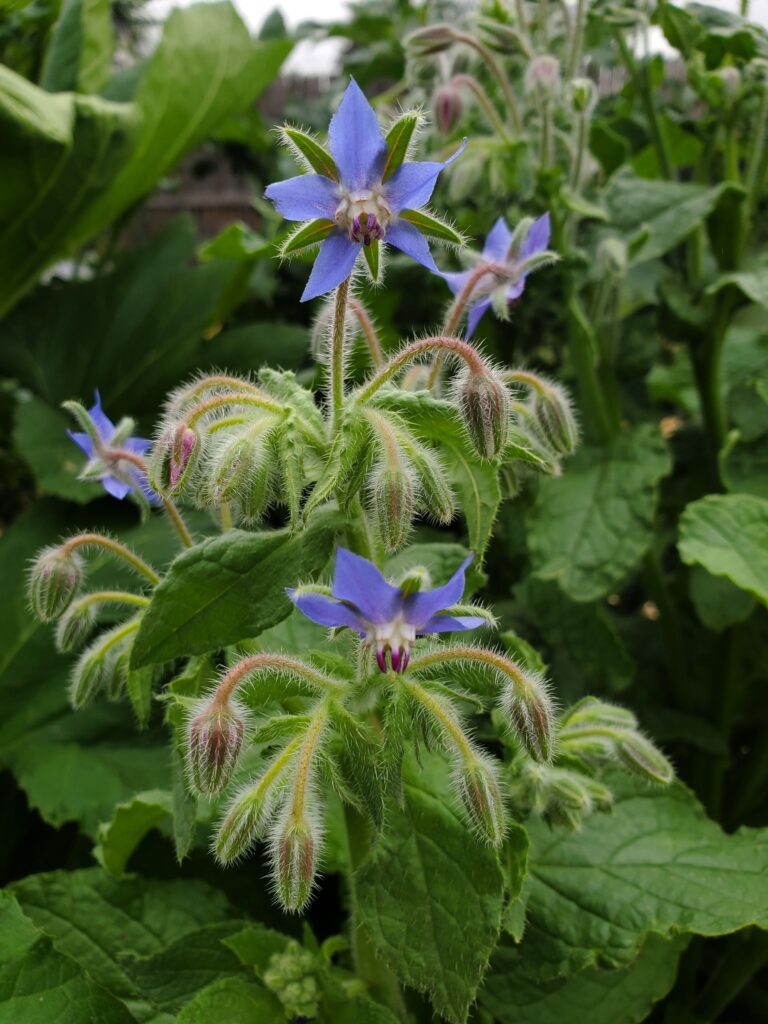
This one is a personal favorite, partly because it’s almost aggressively cheerful — brilliant blue star-shaped flowers on silver-green stems — and partly because bees treat it like an all-you-can-eat buffet.
Borage (Borago officinalis) produces nectar so abundantly that it actually refills its flowers every few minutes. Beekeepers have long valued it as a forage plant, and some research suggests bees can detect the high sugar concentration in borage nectar from a distance, making it one of the more reliably attractive plants you can grow.
It’s also one of the easiest. Scatter seeds in spring, water occasionally, and stand back. Borage self-seeds prolifically, which means once you plant it once, you’ll likely have it coming back year after year without doing anything at all. It’s the kind of plant that makes you look like a competent gardener when you’ve really done almost nothing.
A practical note: borage gets big — often 60 to 90cm tall and wide — so it needs space. In smaller gardens, tuck it in a corner where it can sprawl without crowding neighbors. In containers, it’ll stay smaller but still flower well.
The flowers are edible, by the way. They taste faintly of cucumber and look spectacular frozen into ice cubes for summer drinks. Not directly bee-related, but worth mentioning.
3. Phacelia — The Bee Magnet Most People Have Never Heard Of
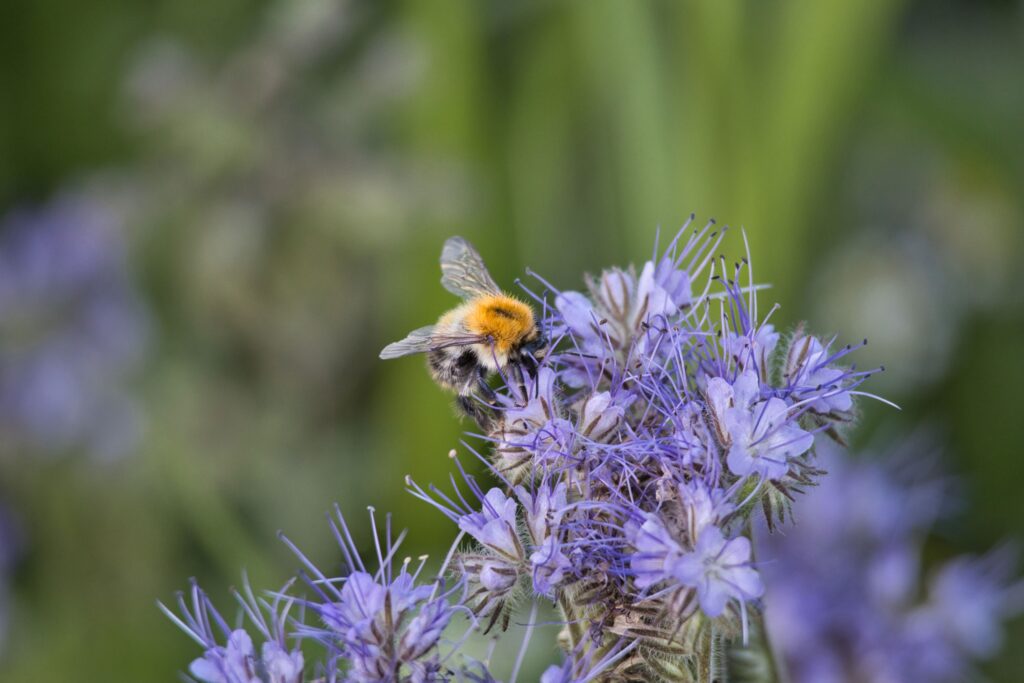
Ask a commercial beekeeper what single plant they’d choose to grow a field of for their bees, and a significant number will say phacelia without hesitating.
Phacelia tanacetifolia — sometimes called “lacy phacelia” or “purple tansy” — is a fast-growing annual with finely divided, ferny leaves and dense clusters of small purple-blue flowers. It looks delicate but it’s an absolute workhorse. Studies measuring pollinator visits per plant consistently put phacelia at or near the top of the rankings.
Part of what makes it exceptional is the flower structure. The stamens protrude beyond the petals, making pollen extremely accessible. Bees don’t have to work hard to collect it, which means they can visit more flowers per hour. From the bee’s perspective, phacelia is fast food — high reward, low effort.
It’s also a remarkably fast grower. Sow seeds directly in the ground in early spring, and you’ll have flowers in 6 to 8 weeks. Sow in succession every three weeks or so, and you can have it blooming from late spring through early autumn. Farmers actually grow it as a “green manure” cover crop specifically because it attracts so many beneficial insects and improves soil when dug in.
One thing to know: phacelia can cause skin irritation in some people when handling the fresh plant — the fine hairs on the stems and leaves are the culprit. Wear gloves when planting or thinning seedlings if you have sensitive skin. The flowers themselves are fine.
4. Catmint — The One the Bumblebees Are Fighting Over
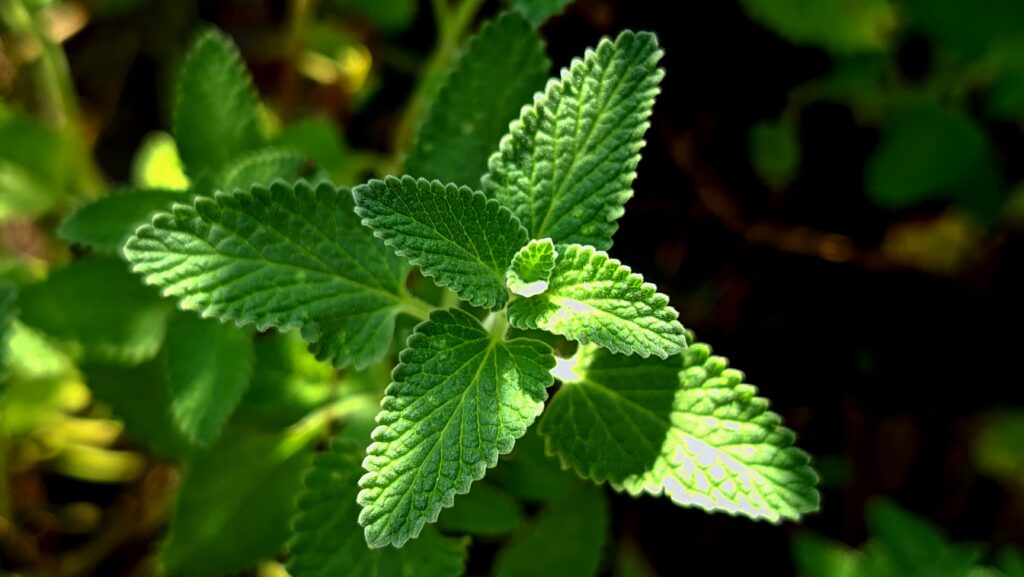
If you’ve ever planted catmint (Nepeta spp.) and then stood nearby in July, you know exactly what I’m talking about. The hum is almost constant. Bumblebees in particular seem to lose all dignity around it — tumbling into the flowers, rolling around, emerging dusted in pollen with what I can only describe as a satisfied wobble.
Catmint is related to catnip, and while it has a milder effect on cats, it has an almost magnetic effect on bees. The long wands of small lavender-blue flowers bloom prolifically from late spring into summer, and here’s the trick: if you cut it back hard by about half after the first flush of flowers fades, it’ll come back with a second wave of blooms in late summer. One plant, effectively two seasons of forage.
It’s also incredibly hardy and drought-tolerant once established. Plant it at the front of a border, along a path, or in a sunny container, and it will largely take care of itself. It softens the edge of garden beds beautifully, which is why you’ll see it used in professional landscape design — but unlike a lot of designer plants, it actually earns its place ecologically.
Good varieties for bees include Nepeta racemosa ‘Walker’s Low’ (despite the name, it grows about 60cm tall and is enormously floriferous) and Nepeta x faassenii, a reliable classic.
5. Sunflowers — Big, Obvious, and Worth It
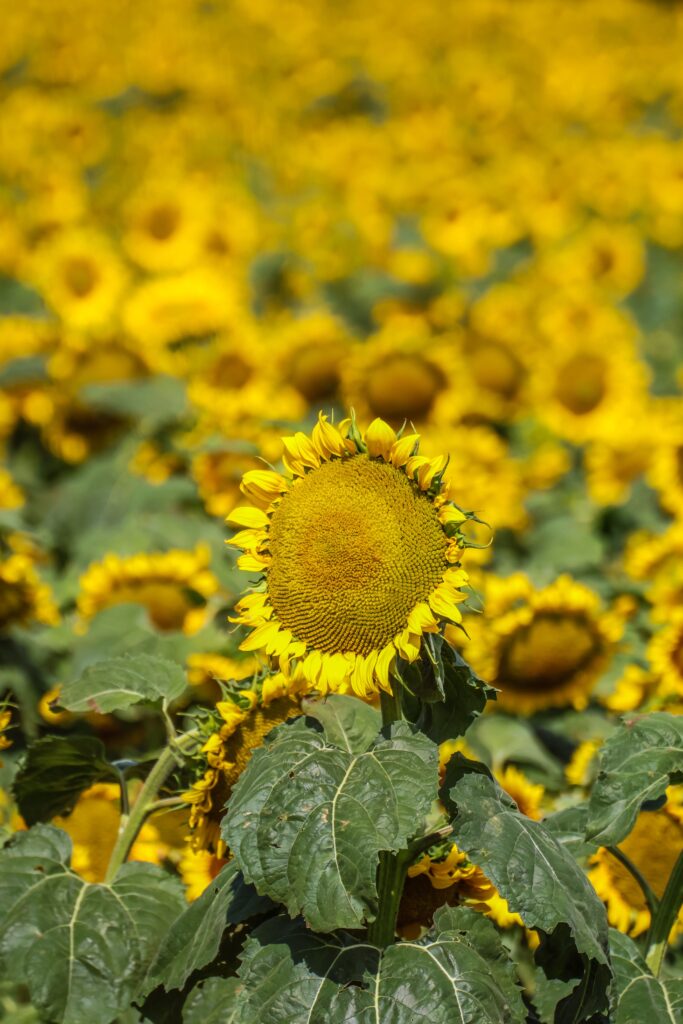
I almost didn’t include sunflowers because they feel almost too obvious. But then I thought about how many gardens I’ve been in that don’t have them, and I changed my mind.
Sunflowers (Helianthus annuus) are exceptional bee plants, particularly for bumblebees and native solitary bees. A single large sunflower head is actually thousands of tiny individual flowers (florets) packed together — which means one plant offers an enormous quantity of pollen and nectar in a single visit. For a bee doing the math on foraging efficiency, a sunflower is a remarkable bargain.
They’re also culturally underrated as garden plants. People associate them with children’s gardens or agricultural fields, but a row of tall sunflowers against a fence or wall can be genuinely dramatic. The newer varieties offer everything from deep burgundy-red to cream to multi-colored bicolors, so they’re not just “yellow flower on a stick” anymore.
An important detail on variety selection: Choose open-pollinated or single-flowered varieties, not the “pollen-free” types bred for the cut flower industry. Pollen-free sunflowers have been bred to not shed pollen — great for keeping vases clean, completely useless for bees. Look for varieties described as “traditional” or check that they’re not marketed for florists or allergy sufferers.
Direct sow seeds in a sunny spot after your last frost date. Sunflowers genuinely don’t need much — adequate sun, reasonable soil, and water until established. They’ll do the rest.
The Bigger Picture: It Adds Up
I want to be honest with you about something. One balcony with a lavender plant isn’t going to reverse the decline in pollinator populations. I’m not going to oversell this.
But scale matters in ways that are easy to underestimate. If every garden, balcony, and roadside verge in a neighborhood contained even a few of these plants, the cumulative forage available to local bees changes meaningfully. Researchers studying urban pollinator populations have found that cities with higher densities of garden flowers actually support greater bee diversity than some intensively farmed rural areas. The patchwork of small private gardens, when added together, becomes a significant ecological resource.
There’s also the question of what you’re doing to your own experience of a garden. Every plant on this list is genuinely beautiful. They attract butterflies as well as bees. They’re almost all low-maintenance once established. They make a garden feel alive in a way that a perfectly clipped lawn simply doesn’t.
Start with one plant. Put it somewhere sunny. Watch what happens in the first warm week.
I’ll bet you end up buying more.
Curious about what flowers your local bees are foraging — and what that honey tastes like? Explore more at Beekeepers Corner, where we cover everything from hive management to honey harvesting.
📸 Photos used in this article were sourced from Pexels.com — a free stock photo platform offering beautiful, high-quality images.