
I saw the headline yesterday and did a double take. A truck carrying beehives flipped over on a highway near Yellowstone, and just like that, somewhere in the neighborhood of 250 million bees were suddenly loose on the side of the road. My first reaction, honestly, was somewhere between horror and morbid fascination. My second reaction was a lot more practical: this is exactly the kind of story that makes people who’ve never thought twice about commercial beekeeping suddenly very curious about how any of this actually works.
So let’s talk about what happened, and more importantly, what it tells us about an industry that most people never think about until a tractor-trailer ends up on its side.
What Actually Happened
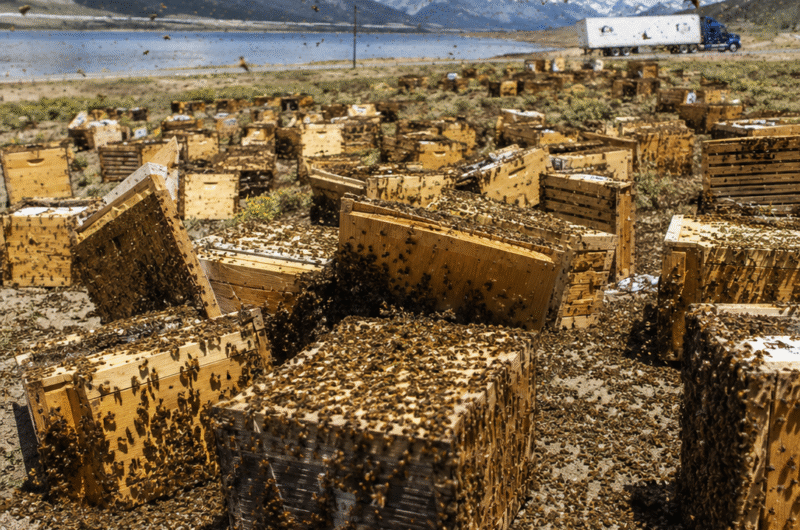
The crash happened on U.S. Route 191, near the western edge of Yellowstone National Park, when a tractor-trailer hauling stacked beehives tipped over. Park officials had to step in and manage traffic while crews worked to clean up the scene — not a quick job when the cargo in question is, quite literally, hundreds of millions of live insects.
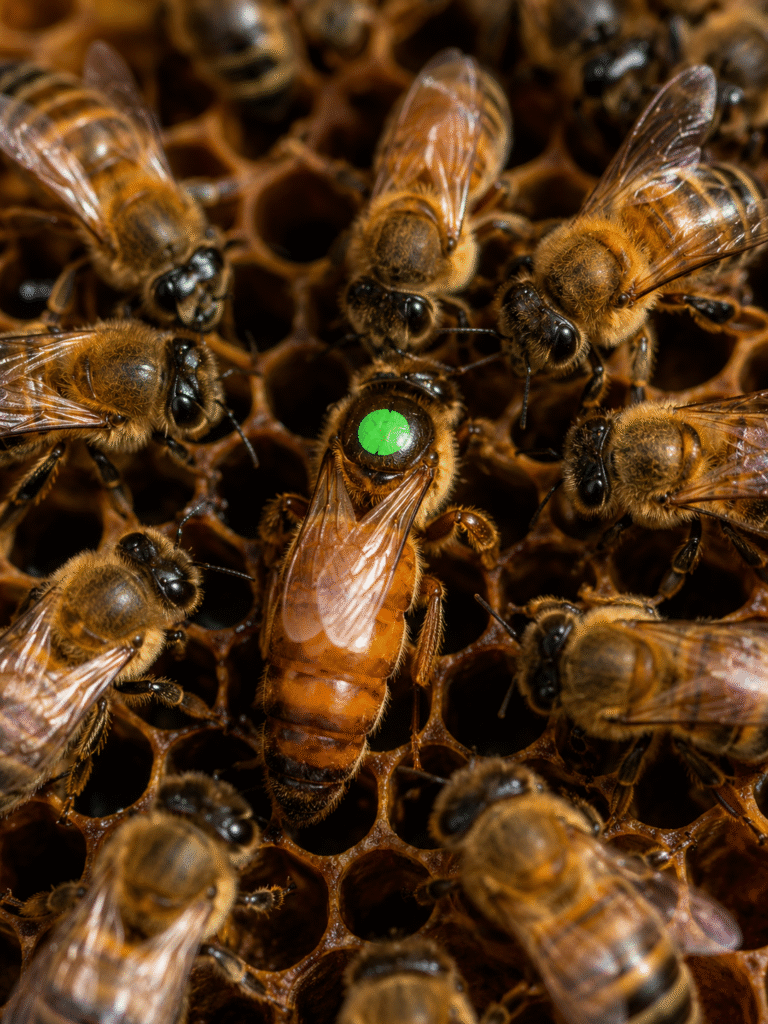
According to a beekeeper who wasn’t involved in the crash but spoke to local media about the situation, somewhere around 40 to 50 percent of the bees might realistically be recoverable. The rest is where it gets interesting from an ecological standpoint: if the queens end up scattering into the surrounding Yellowstone forest, the colonies they’re part of are likely to simply establish themselves in the wild rather than ever making it back into managed hives. Beekeepers on the scene reportedly had a roughly 48-hour window to track down and recover queens before that became the permanent outcome.
Forty-eight hours. Think about that for a second. That’s the entire margin between “manageable accident” and “several hundred colonies just became wild bees in a national park” — and it depends almost entirely on how fast people can locate queens scattered across a highway shoulder and surrounding brush.
Why This Isn’t as Freak an Accident as It Sounds
If you’re not familiar with commercial beekeeping, this story probably sounds like a bizarre one-off. It isn’t, not really. Trucking hives long distances is just how a huge portion of commercial pollination works in the U.S. Beekeepers move millions of colonies every year, often overnight, often along the exact kind of remote highway stretches where a single bad turn or mechanical failure turns into national news. Most of these trips happen without anyone outside the industry ever hearing about them. It’s only when something goes wrong — a rollover, a fire, a flipped trailer — that the rest of us get a glimpse into just how much is constantly moving along the back roads of the country, one stacked hive at a time.
I think that’s actually the most useful thing to take from a story like this, even if you’re keeping two hives in a suburban backyard and have never trucked a colony anywhere in your life. It’s a reminder of how much infrastructure and risk sits underneath something we tend to picture as gentle and small-scale. Commercial pollination is a massive, logistically complicated operation, and incidents like this highway spill are the rare moment that operation becomes visible to people outside it.
What It Means If You Keep Bees Yourself
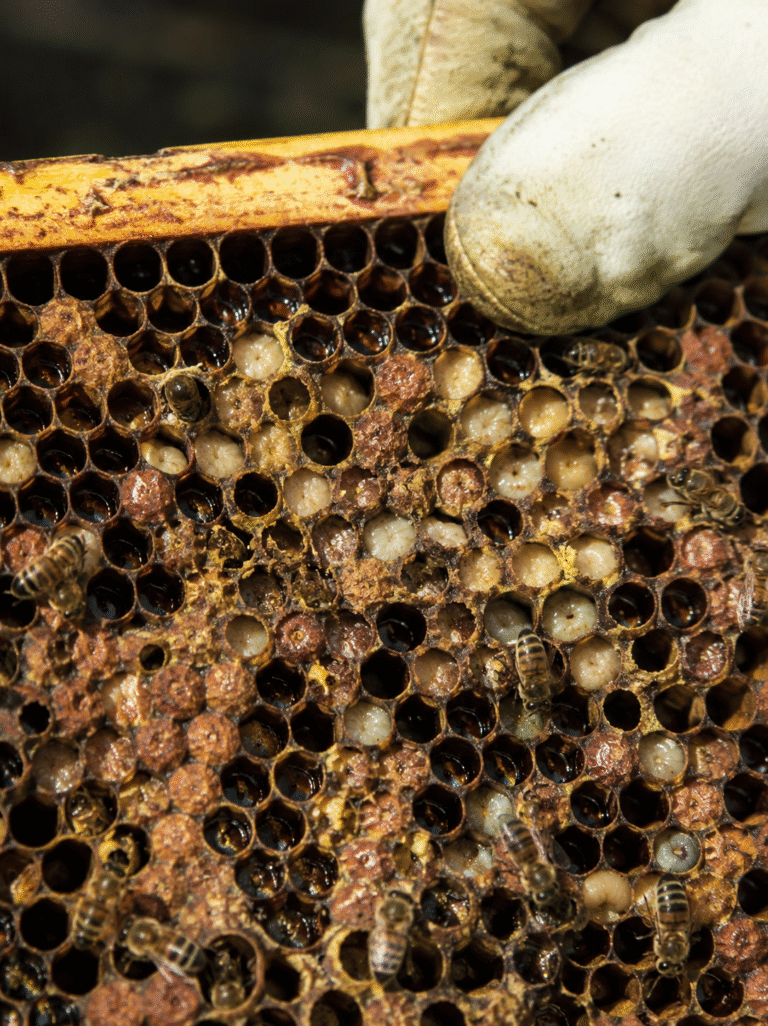
For backyard and hobby beekeepers, there’s a smaller, more practical lesson buried in here too: queens matter more than almost anything else in a hive, and they’re also the easiest thing to lose track of in chaos. A colony that loses its queen and has no way to replace her quickly is a colony that’s in serious trouble within days, not weeks. That’s true whether the chaos in question is a truck rollover on a highway or something far smaller, like a hive falling over in a storm or getting knocked during a careless inspection.
It’s also a good moment to appreciate just how resilient and adaptable bees actually are. Given the chance, displaced colonies don’t just collapse — they reorganize, find new spaces, and in the case of something like a national park, potentially thrive in an environment that’s about as good as it gets for a wild colony. It’s not the outcome anyone wanted from a logistics accident, but it says something about how capable these insects are even when everything goes sideways, quite literally.
Stories like this one don’t come around often, but when they do, they’re a good excuse to pause and think about everything that happens upstream of the honey in your jar or the bees in your own backyard hive. There’s a whole industry of trucks, highways, and tight 48-hour windows that most of us never see — until one ends up making the news.