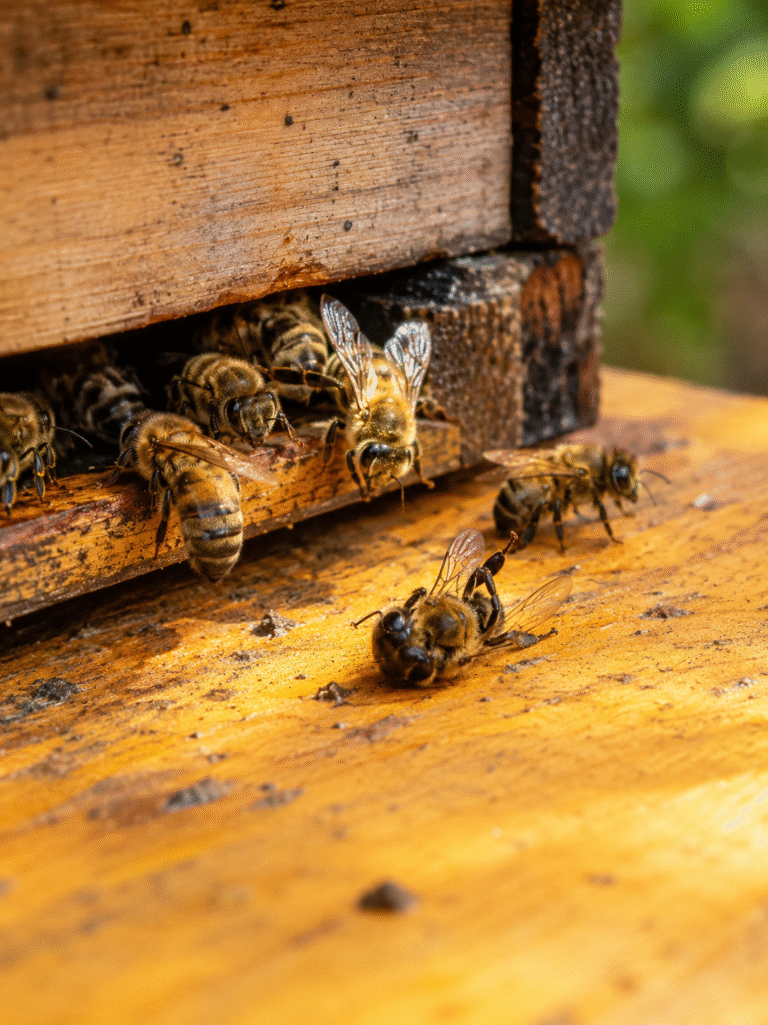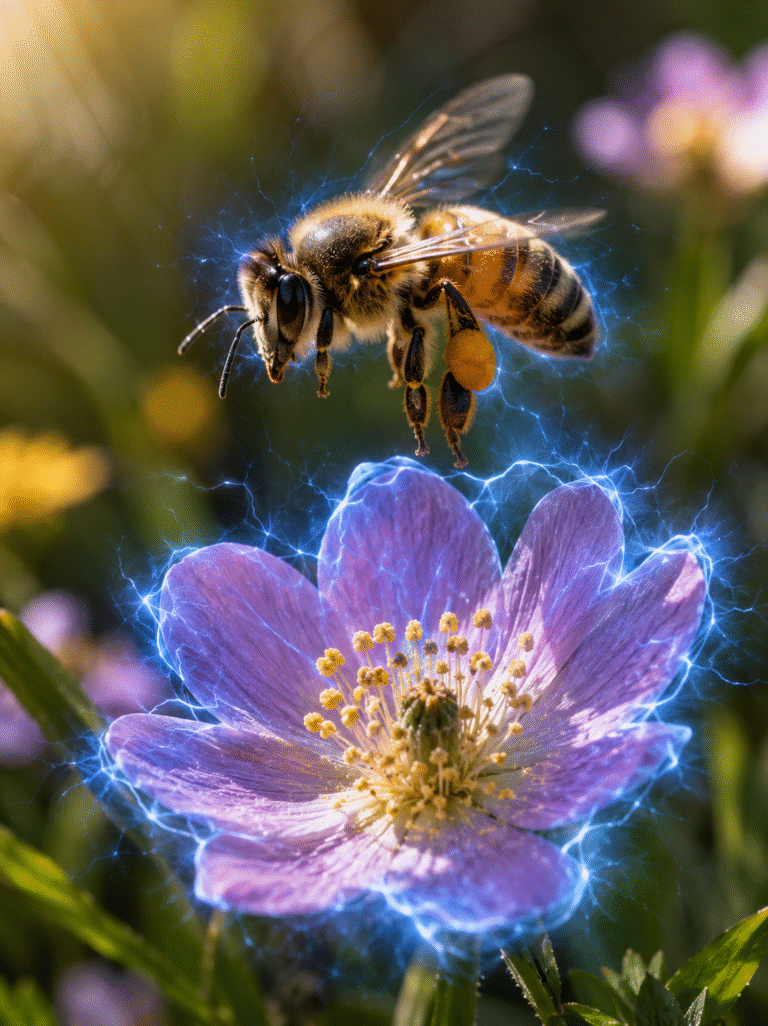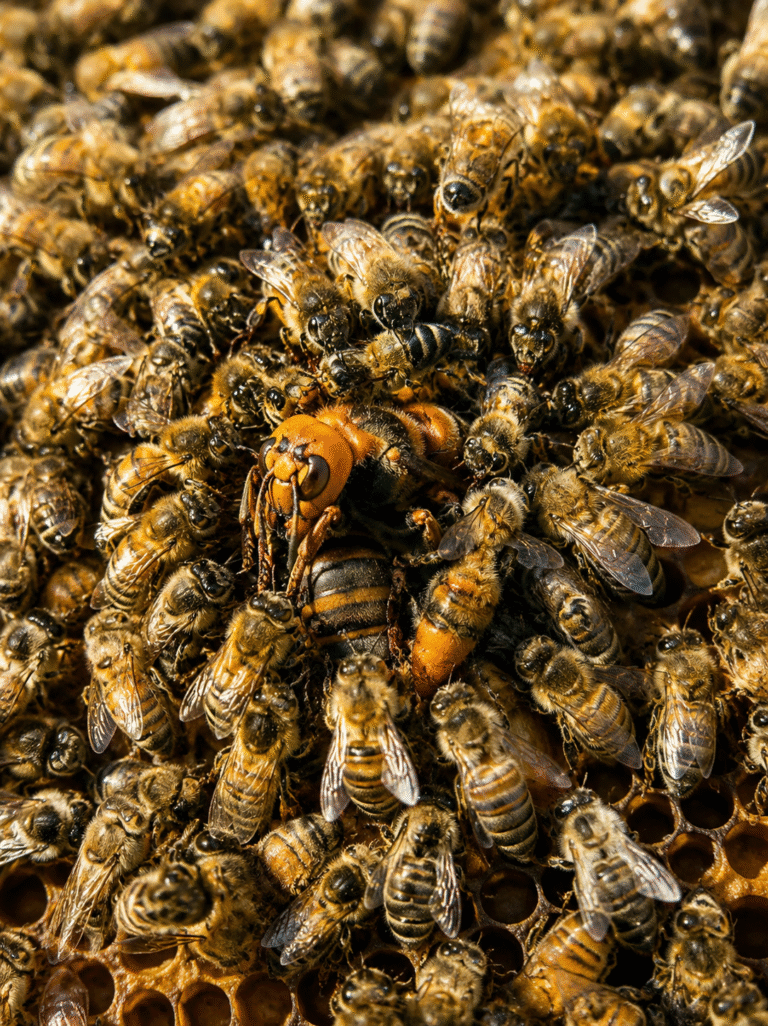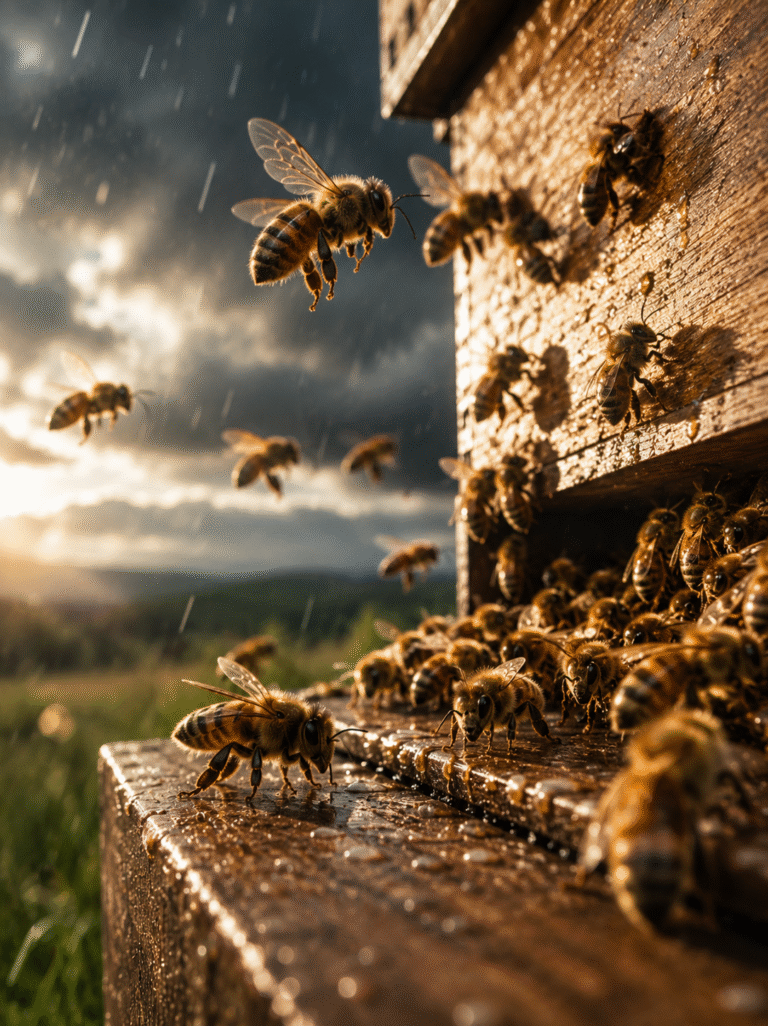
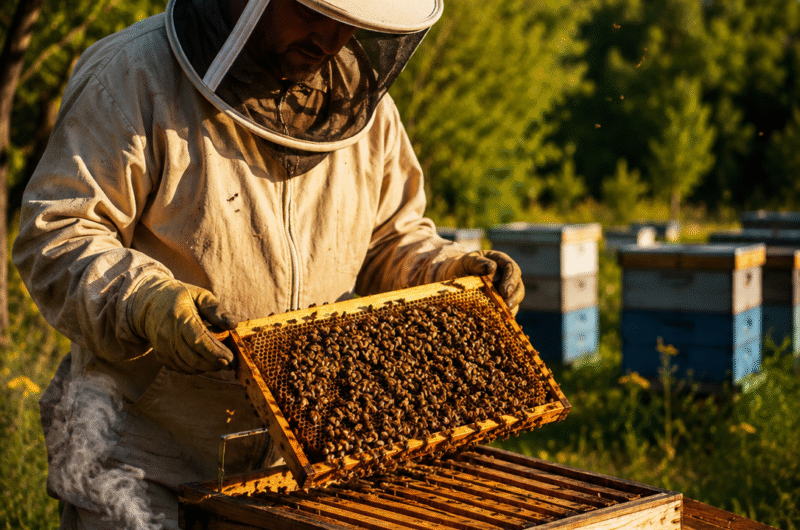

The first time I lifted a frame from a hive, my hands were shaking. Not from fear — well, not only from fear — but from a kind of reverence I hadn’t expected. A few inches from my face were fifty thousand perfectly organized creatures, completely indifferent to my presence and yet absolutely mesmerizing. That day, I became a beekeeper. What I didn’t anticipate was that it would take years before I felt truly comfortable.
That’s what I want to spare you.
First, drop the romantic image
Beekeeping has a reputation. Golden jars of honey on a farmhouse table, a wise old man in a straw hat, meadows in full bloom. All of that is real — and it’s beautiful. But between you and that idyllic scene lie hours of careful observation, seasons of mistakes, and a lot of reading.
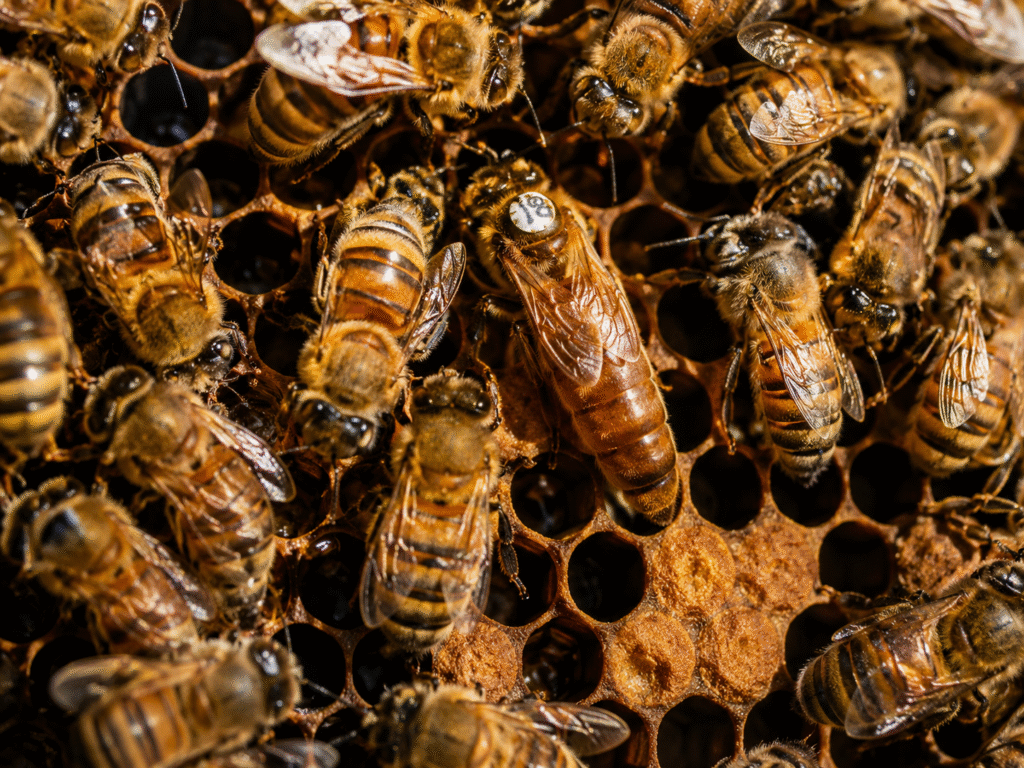
The honeybee (Apis mellifera) is a social insect of remarkable complexity. The colony functions as a superorganism: no individual bee survives very long on her own. The whole system — the queen, the workers, the drones — forms a collective entity whose decisions are distributed across the whole. Understanding this changes everything about how you choose to intervene.
Equipment: what you actually need

Let’s start with the practical. You don’t need much to begin, but what you do buy should be quality.
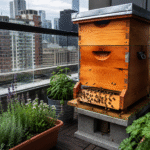
The most common hive design in Europe and increasingly popular worldwide is the Langstroth (or its variants). It’s made up of a main body for the brood nest, with one or more supers stacked on top for honey storage. Its modular design is ideal for beginners — you can expand gradually as the colony grows stronger.
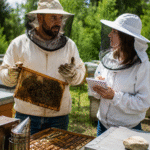
Your protective gear is not optional. A full-body suit with a veil, thick leather or latex gloves, and closed-toe boots are your armor. Experienced beekeepers sometimes work bare-faced to better read the mood of the hive. You’re not there yet, and that’s perfectly fine.
Two tools are non-negotiable: a smoker and a hive tool. The smoker, used sparingly, triggers a pre-flight feeding response in bees — they gorge on honey and become temporarily less defensive. The hive tool lets you pry apart frames sealed together with propolis, without jerky movements that agitate the colony.
Where to get your bees — and what to avoid
The question every beginner asks too late. You have three main options.
A natural swarm, caught in spring from a tree or fence post, is free and often surprisingly vigorous. It’s also the most unpredictable way to start, since you know nothing about the colony’s genetic background or its tendency toward aggression.
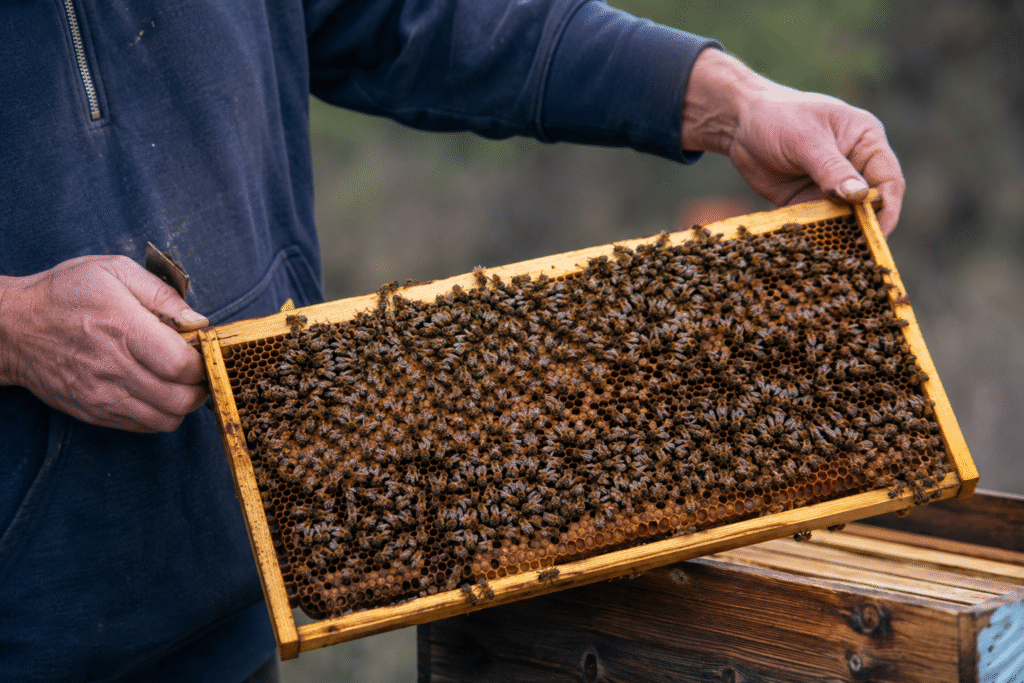
A nucleus colony — a small cluster of frames with a laying queen, sold by an established beekeeper — is the recommended route for beginners. You start with an already-structured colony on frames that fit your hive, with a queen of known quality.
Finally, you can purchase a mated queen alone to combine with your own bees, for those who want to control genetics from day one. This is more technical and better suited to someone with at least one season of experience already behind them.
Inspection: learning to read the hive
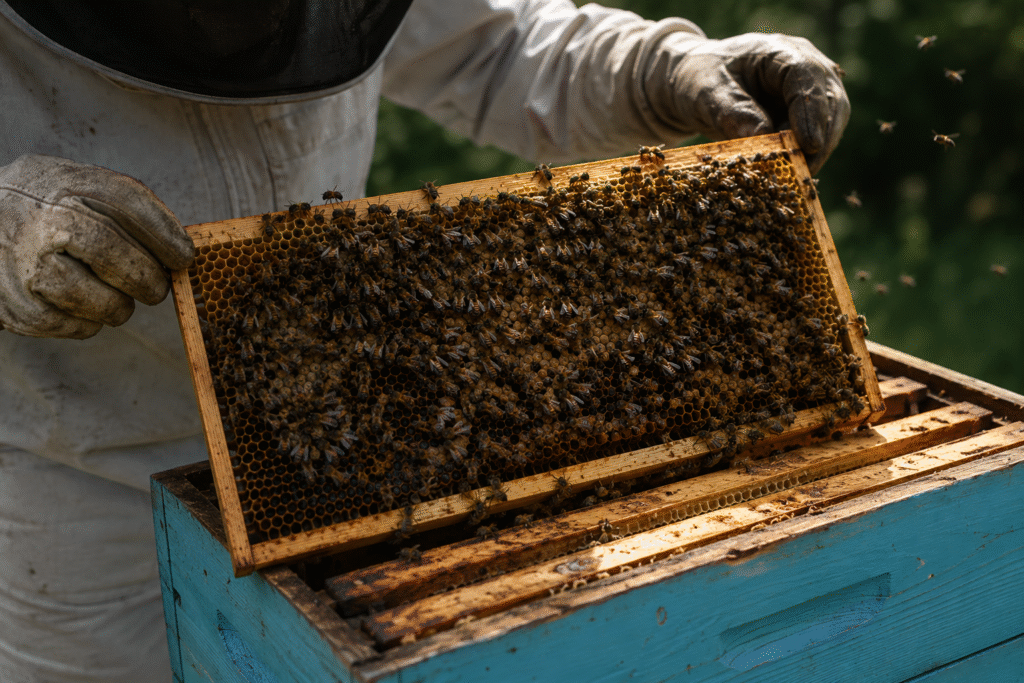
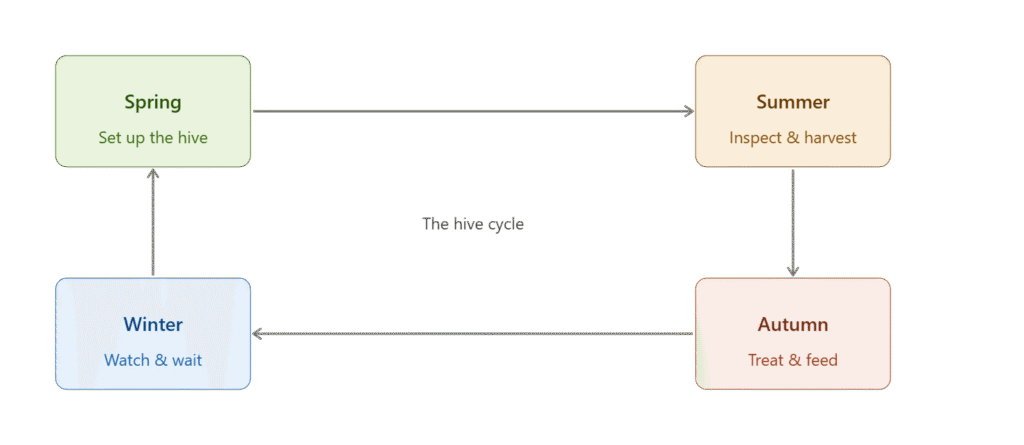
This is where everything happens. A weekly inspection in spring and summer — on calm, sunny days, between 10am and 4pm — lets you track the colony’s development and act before a small problem becomes a crisis.
At every opening, you’re looking for the same things: the queen (or clear signs of her presence), healthy eggs and brood, adequate honey and pollen stores, and no signs of disease.
American foulbrood (Paenibacillus larvae), one of the most feared diseases, shows up as sunken, discolored brood with a smell like hot glue. Varroa (Varroa destructor), a parasitic mite, is now present in virtually every managed colony in the Northern Hemisphere — controlling it isn’t optional. In most countries, it’s a legal and ethical responsibility.
Harvesting: less often, more consciously
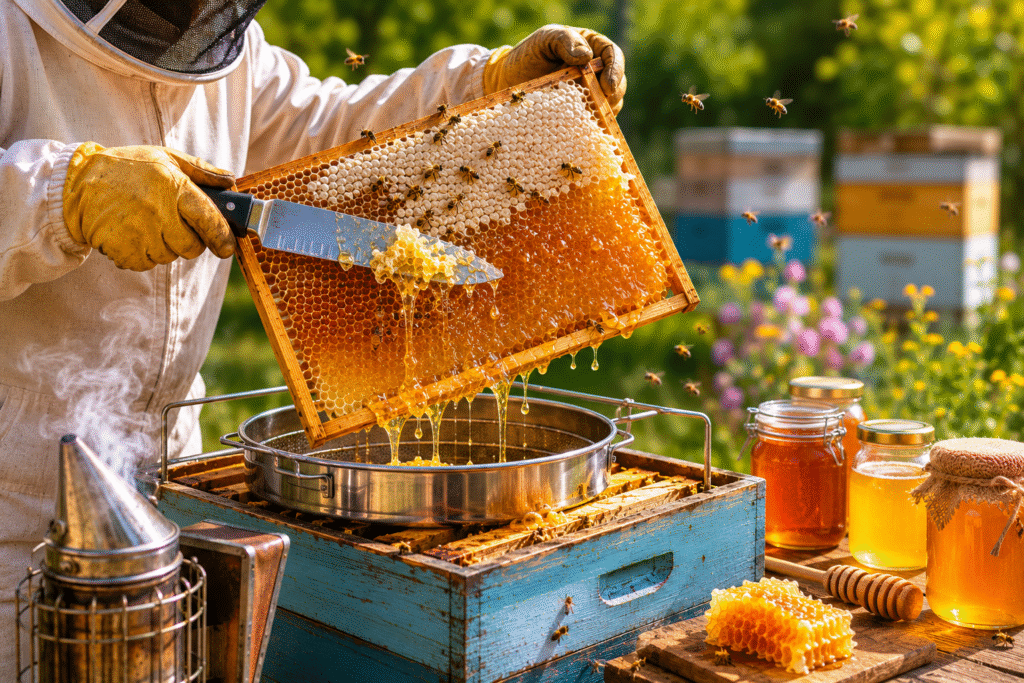
Your first harvest will probably be modest, and that’s a good thing. Before extracting any honey, ask yourself one question: does the colony have enough stores to get through winter? A healthy colony typically needs around 40 to 60 pounds of honey to survive the cold months without supplemental feeding.
Honey is ready to harvest when the cells are capped — sealed over with a thin layer of white wax. Uncapped honey contains too much moisture and will ferment in the jar.
Extraction is done with a centrifugal extractor — an excellent reason to join a local beekeeping association from your very first spring. Most clubs offer shared equipment, beginner courses, and experienced mentors who’ll answer your questions without making you feel foolish for asking them.
What beekeeping actually teaches you
After a few seasons, you’ll notice something unexpected: you observe the world differently. Flowers, weather, the rhythm of the year — all of it takes on new meaning when you know your bees are foraging up to two miles in every direction and that the linden bloom lasts exactly twelve days.
Beekeeping is a school in patience and humility. Hives aren’t managed — they’re understood. Every mistake is a lesson in biology, in climate, or in your own impatience.
Start with one or two hives. Read widely. Observe even more. And the next time you lift a frame and fifty thousand bees continue their work as if you simply don’t exist, you’ll understand exactly what I mean by reverence.