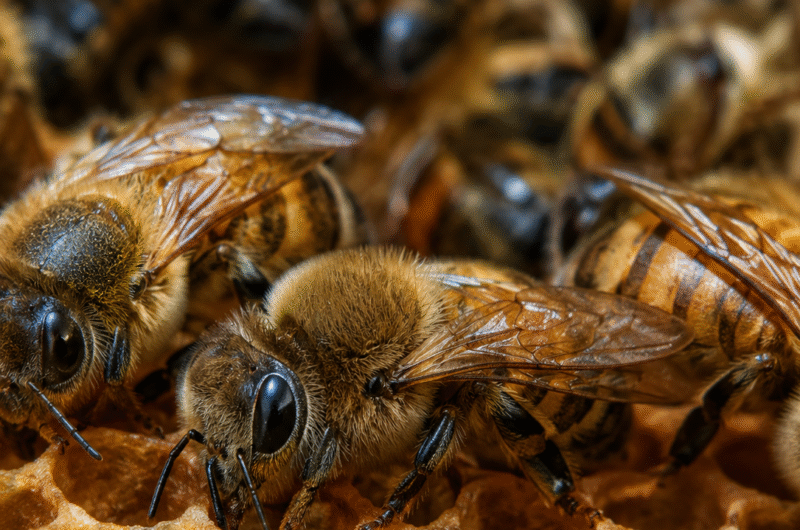

Yes, bees really do sleep. Here’s how much rest foragers, nurses, and drones get, where they sleep, and what happens when they don’t.
I once spent forty minutes at eleven at night crouched next to an observation hive with a red-filtered headlamp, convinced I was about to catch my bees doing something they weren’t supposed to be doing. What I found instead was stillness. Dozens of workers wedged head-first into empty cells, antennae drooping, not moving even when I leaned close enough to feel my own breath bounce back off the glass. My first thought wasn’t “how peaceful.” It was “are they dead.”
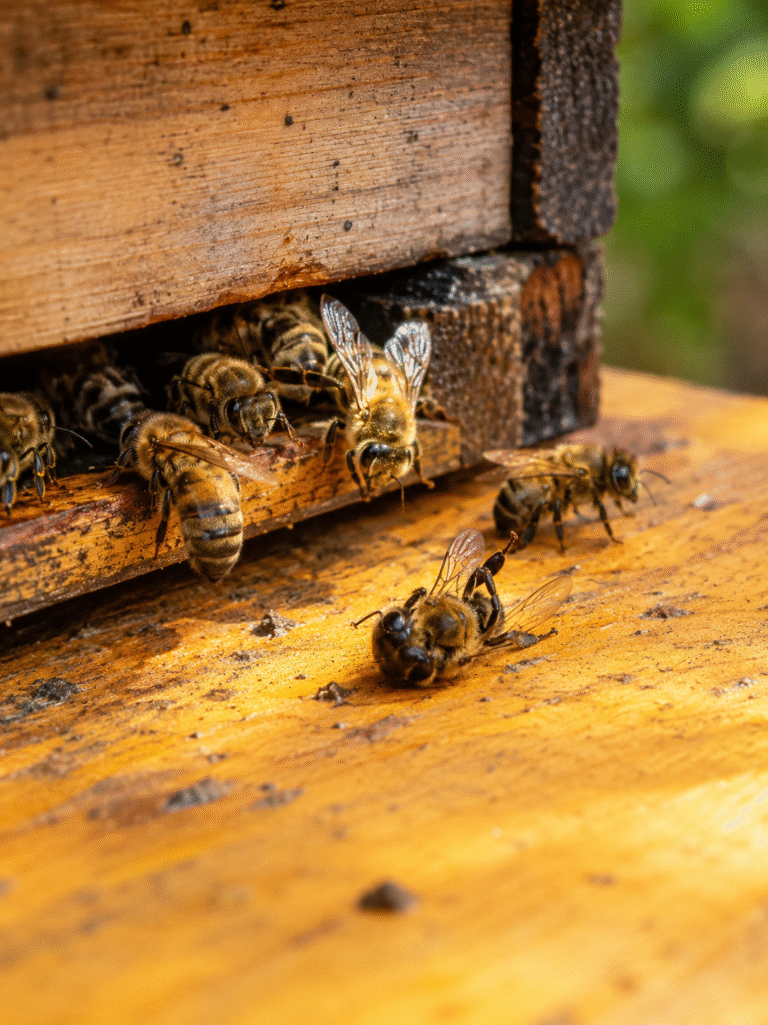
They weren’t. Bees sleep, and honey bee colonies go through a genuine daily rest cycle — foragers cluster inside empty comb cells at night for roughly five to eight hours, while nurse bees and young workers nap in short, scattered bursts around the clock because the brood never stops needing attention.
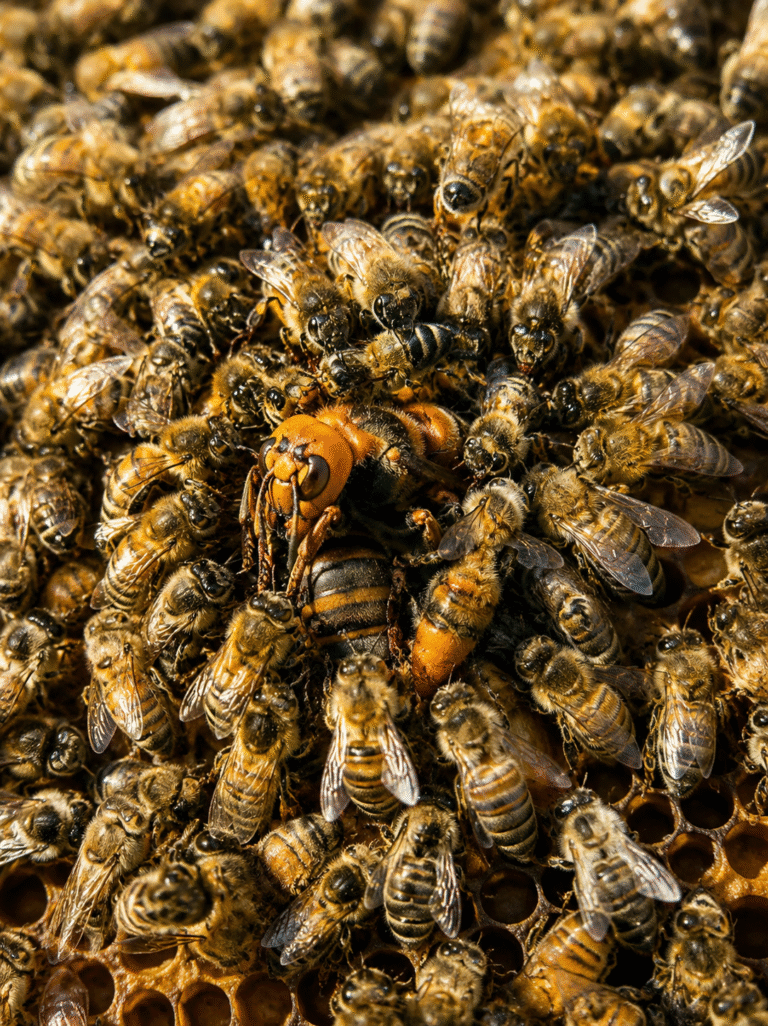
That distinction — night-sleeping foragers versus round-the-clock napping nurses — is the whole story, and almost nobody outside entomology circles knows it. Most people assume a hive either never sleeps (because “bees are always busy”) or all sleeps together (because hive mind is a seductive idea). Neither is right, and the real answer says something interesting about how a colony manages 40,000-plus individual bodies with wildly different jobs and completely different sleep needs.
Yes, Bees Sleep — Here’s What the Research Actually Shows
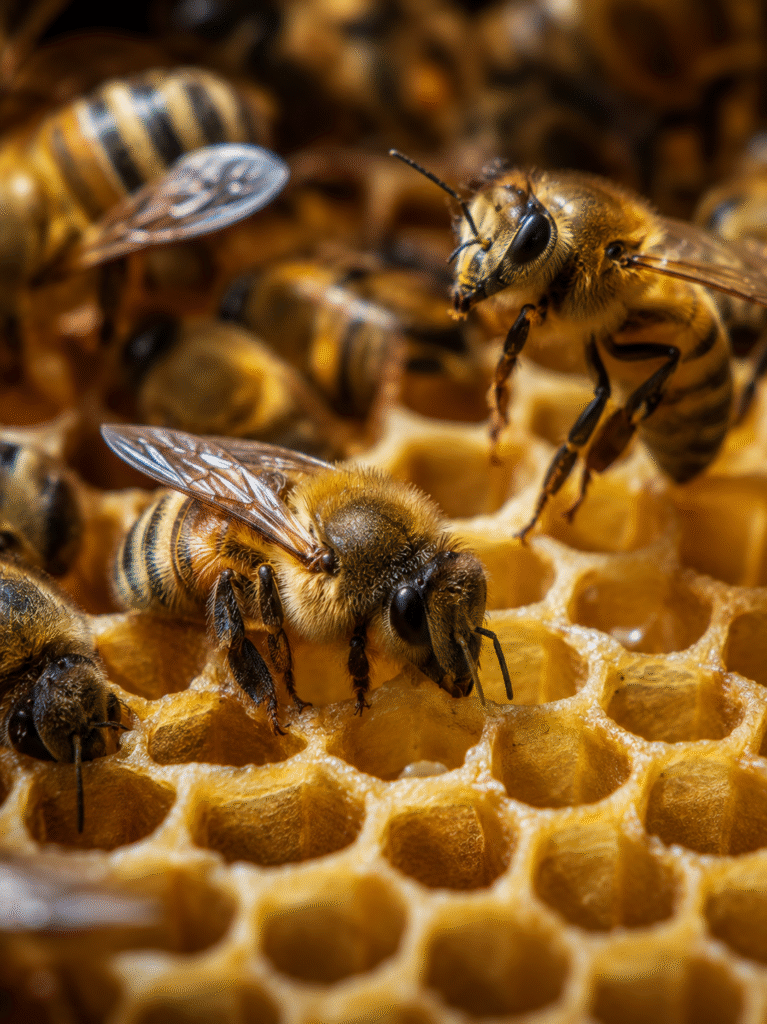
The foundational work here is older than most people expect. Entomologist Walter Kaiser documented bee sleep behavior back in 1983, describing postures, muscle relaxation, and reduced responsiveness to stimuli that closely mirror what researchers look for in vertebrate sleep studies — head drooping, antennae going still, a measurable increase in the stimulus needed to trigger a response. A follow-up study in the Journal of Experimental Biology confirmed that all four worker castes — cleaners, nurses, food storers, and foragers — show a genuine sleep state, though only food storers and foragers settle into a consistent 24-hour sleep-wake rhythm; cleaners and nurses don’t. A separate comparison of sleep architecture between foragers and young bees goes a step further, identifying three distinct sleep stages based on posture, bout length, antennae movement, and how much stimulus it takes to wake a bee — light rest, deeper stillness, and brief twitching phases that some researchers compare loosely to REM, though nobody’s claiming bees dream in any way we’d recognize.
What convinced me this wasn’t just insect stillness — the kind you’d see in a bee that’s simply cold, or sick, or dying — was watching the wake-up. A sleeping bee I disturbed with a gentle vibration on the hive wall didn’t react instantly the way an alert bee would. It took a beat, sometimes two, before the antennae lifted and the legs re-engaged. That lag is the tell. Dead bees don’t lag. Cold-torpid bees in December don’t wake on a beat, they wake over minutes if at all. What I was watching had a rhythm to it that behaved, structurally, like sleep.
How a Bee’s Job Determines Its Sleep Schedule
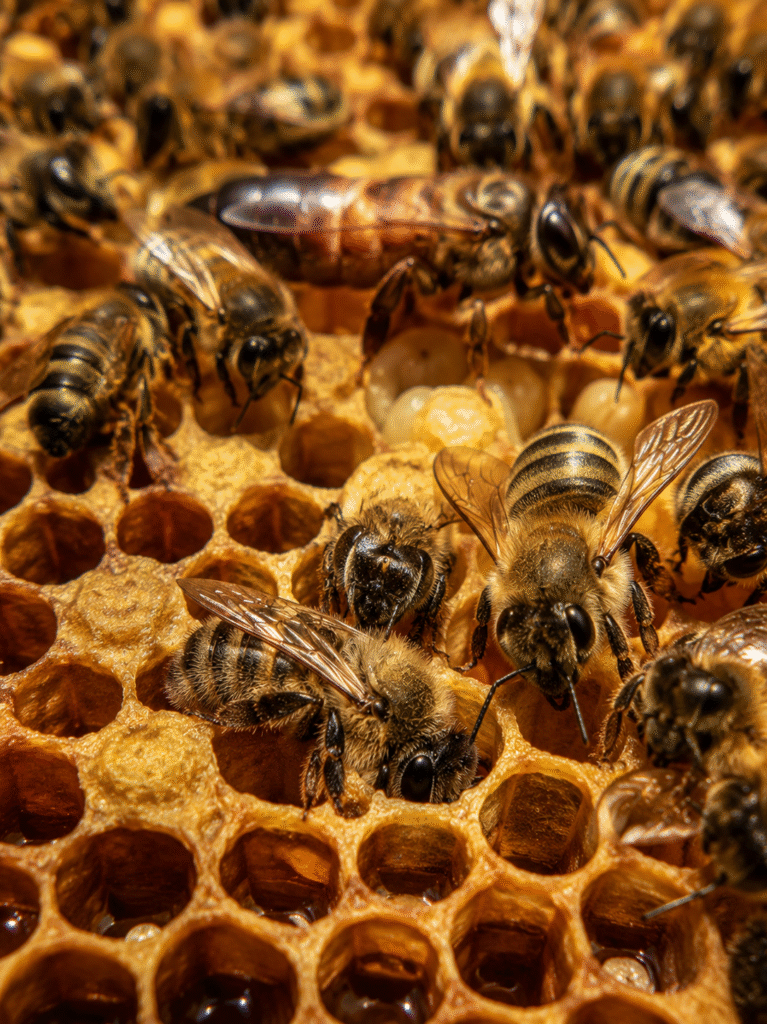
This is the part that surprised me most once I started paying attention across a full season, not just one night: a bee’s sleep schedule isn’t fixed by species, it’s set by its job. Change the job mid-life — which bees do, moving from nurse duties to guard duties to foraging as they age — and the sleep pattern changes with it.
Foragers: A Human-Like Night Sleep Pattern
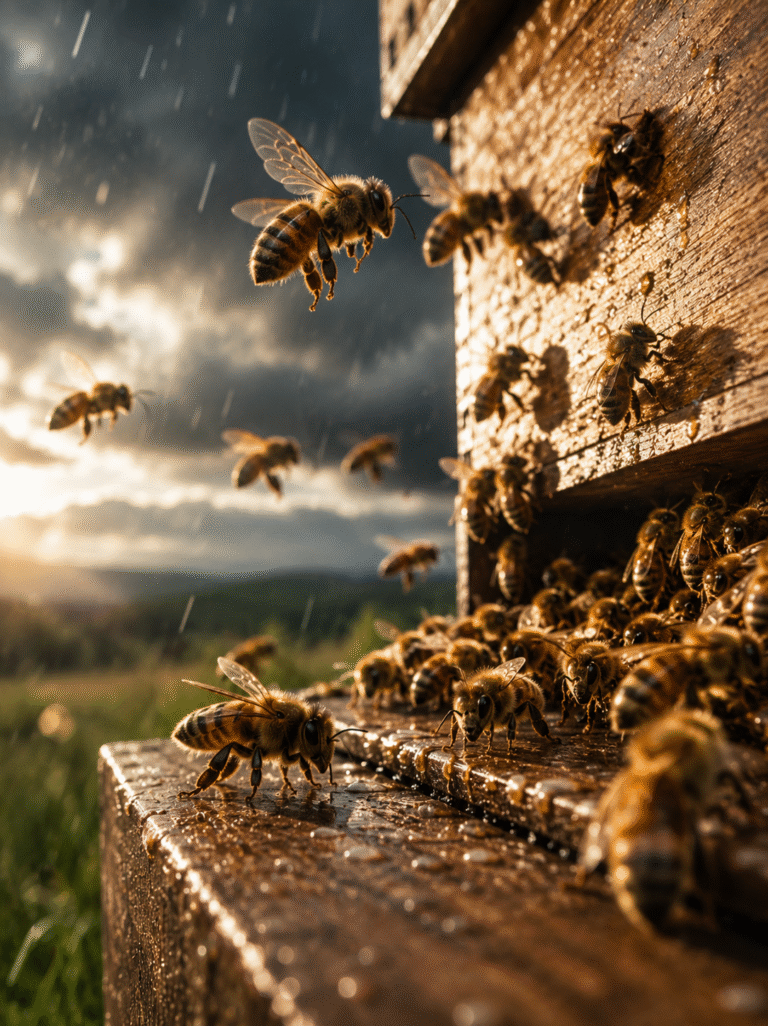
Foragers are the bees with the most human-recognizable sleep pattern in the whole colony, and it makes sense once you think about why. They can’t do their job in the dark — no light means no navigation by sun angle, no visual memory of flower patches, no safe flight home. So their entire waking life is compressed into daylight hours, and their rest compresses into the night, in blocks that research suggests run five to eight hours depending on how demanding the foraging day was.
I’ve watched this correlate directly with weather. On a slow, rainy day where my foragers barely left the hive, they were noticeably more active come dusk — moving around, engaging with returning sisters, less quick to settle. On a brutal nectar-flow day in late June, when I’d watched the same bees make trip after trip to a blooming linden two hundred yards off, they were tucked into cells and motionless within twenty minutes of the light dropping. Tired bees sleep like tired anything else.
Nurse Bees: Scattered Naps Around the Clock
Nurse bees don’t get that luxury, because brood doesn’t observe daylight hours. Larvae need feeding on a schedule measured in minutes, not sunrise to sunset, so nurse bees rest in short, irregular bursts — a few minutes here, a longer stretch there — whenever the brood-care rotation allows a gap. Their sleep is less structured, not less real. It’s the insect equivalent of new-parent sleep: real rest, just chopped into pieces and available whenever the workload permits it rather than on a predictable schedule.
Drones: The Hive’s Laziest Sleepers
Drones, by comparison, have it easy, and it shows. With no foraging duties and no brood-care responsibilities, drones can rest more freely across the day, and beekeepers who’ve spent time really watching a hive’s interior tend to notice the same thing I have — drones are disproportionately represented among the still, unresponsive bees you find loitering mid-comb at odd hours. It’s not laziness in any judgmental sense; their entire biological purpose is a single potential mating flight, and there’s no equivalent pressure keeping them on a tight schedule.
| Role | Typical rest pattern | Approx. daily rest |
|---|---|---|
| Forager | Consolidated night sleep, minimal daytime rest | 5–8 hours |
| Nurse bee | Frequent short naps, day and night | Scattered, cumulative |
| Drone | Loose, opportunistic rest throughout the day | Variable, generally higher |
| Queen | Brief rest between egg-laying bouts | Minimal, poorly studied |
Where Bees Actually Sleep (It’s Not Always in the Hive)
Inside Empty Comb Cells
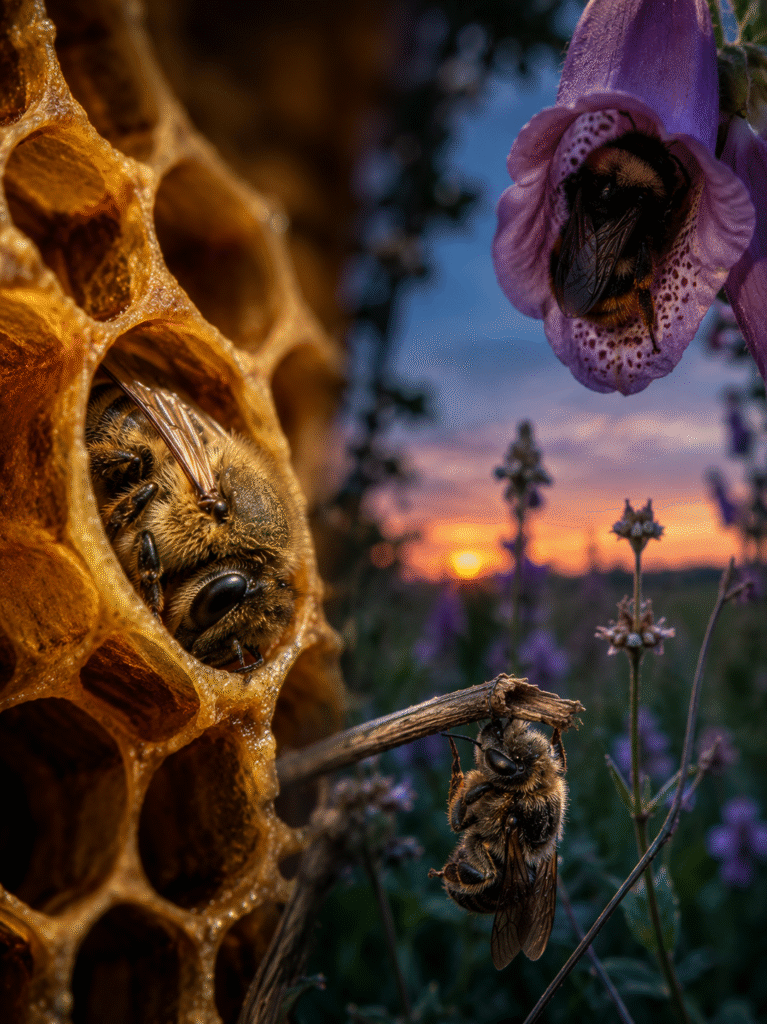
Most of the sleeping I’ve observed happens exactly where you’d expect — tucked into empty cells near the edges of the brood nest, sometimes solo, sometimes in loose clusters of two or three bees sharing the warmth of a cell wall. It’s an efficient use of space that costs the colony nothing extra to maintain; the cells are already there.
Outside the Hive — Scout Bees, Bumblebees, and Solitary Species Sleeping in Flowers
What’s less widely known is that plenty of bees sleep entirely outside the hive, sometimes deliberately. Scout bees searching for a new nest site during swarm season will occasionally spend a night at the prospective location rather than flying back after dark — a genuine overnight stakeout before recommending the spot to the rest of the swarm. If you keep bees near a mason bee house — mine sits about fifteen feet from my main apiary — you’ll see an even more visible version of outdoor sleep: male solitary bees gripping the end of a stem or twig with their mandibles and holding perfectly still until morning, night after night, sometimes in the exact same spot.
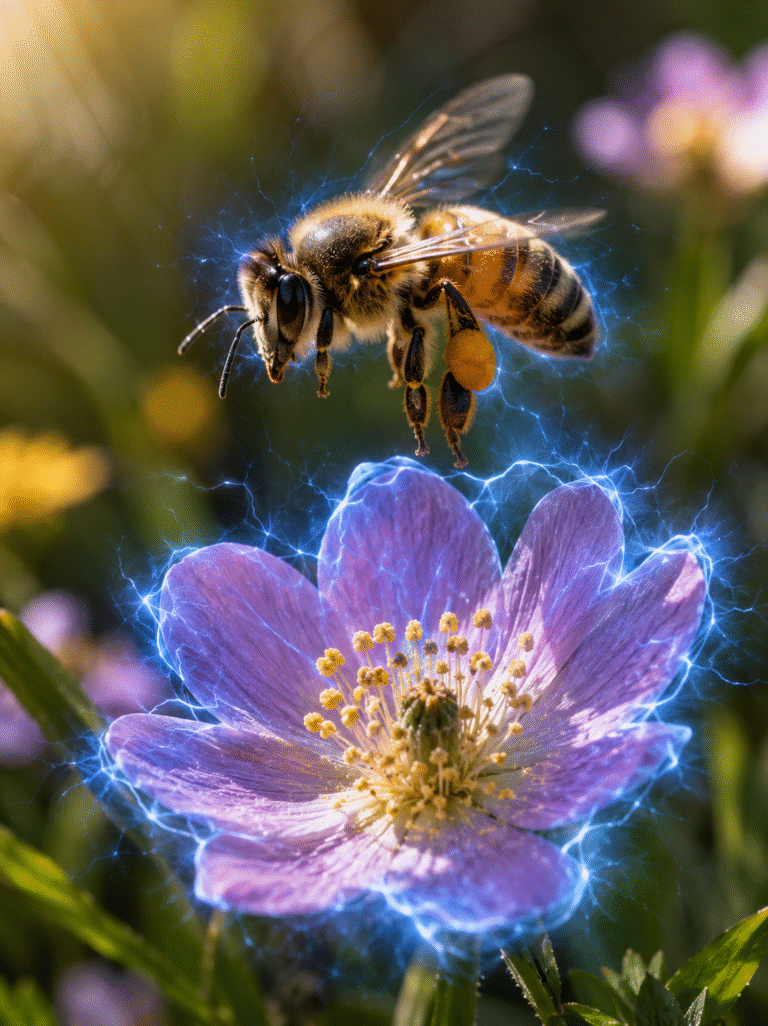
Bumblebees do something similar and it’s genuinely charming to stumble on — males in particular, once they’ve left the nest for good, will settle into a flower at dusk and stay put, cool and motionless, until the morning sun warms them enough to fly again. If you’ve ever found a bee sitting still on a flower at an hour when you’d expect it to be gone, it likely wasn’t stuck or dying. It was asleep.
What Sleep Deprivation Does to a Bee Colony
Memory, Navigation, and the Waggle Dance Connection
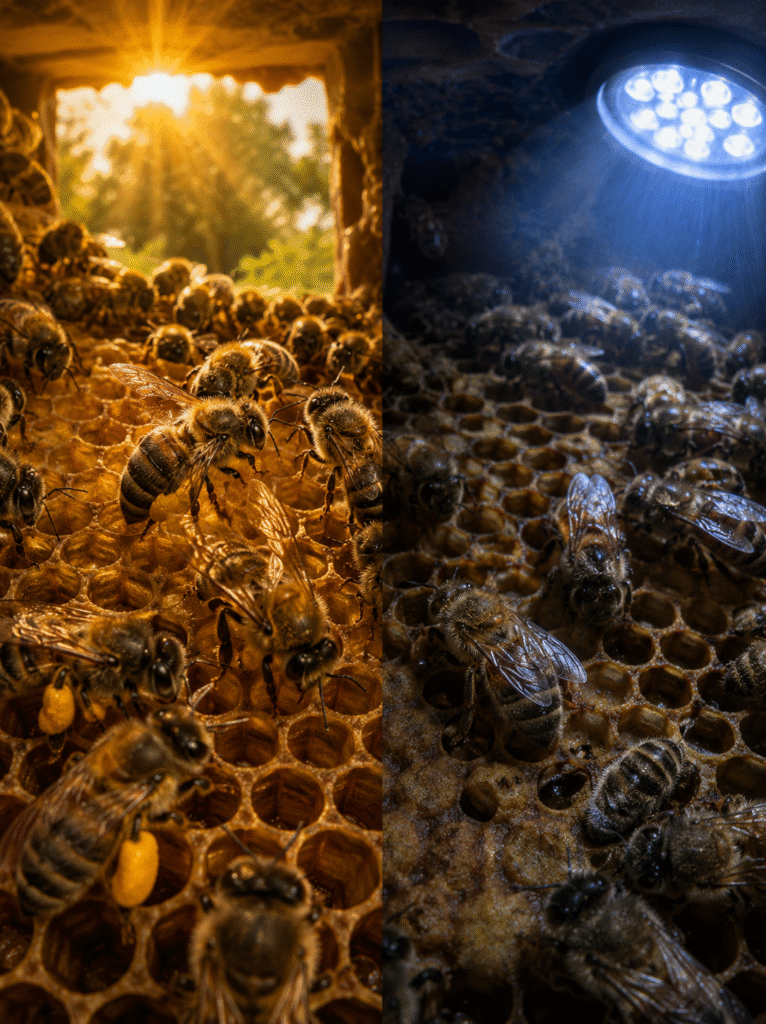
This is where the sleep research stops being a fun fact and starts mattering to anyone who keeps bees. Foraging depends entirely on memory — the location of productive flower patches, the route home, the layout of a landscape a bee may not have visited in days. Sleep-deprived bees, in controlled studies, show measurably worse recall of learned routes and degraded communication accuracy. That communication piece connects directly to the waggle dance, the dance language a forager uses to tell her sisters exactly where a good source is — distance, direction, quality, all of it. A poorly rested forager doesn’t just fly worse. She communicates worse, and that inaccuracy ripples out to every bee who follows her directions.
How Artificial Light Disrupts Natural Sleep Cycles
I didn’t think much about light pollution and bee sleep until I moved two hives to a yard backed up against a neighbor’s dusk-to-dawn security floodlight. Within a couple of weeks I noticed something I hadn’t seen at my other, darker apiary site: noticeably more activity at the hive entrance well after normal quitting time, and what looked like generally scrappier, less coordinated behavior during the day. That’s an anecdote, not a controlled study, but it lines up with a 2024 study in Scientific Reports that tested honey bee colonies under constant artificial light exposure and found it altered their sleep rhythms and disrupted rest outright — foragers under constant illumination showed measurable sleep disruption compared to bees kept on natural light-dark cycles, with the researchers specifically flagging the risk to cooperative foraging, which depends on well-rested bees communicating accurately.
How I Tell a Sleeping Bee From a Dying One
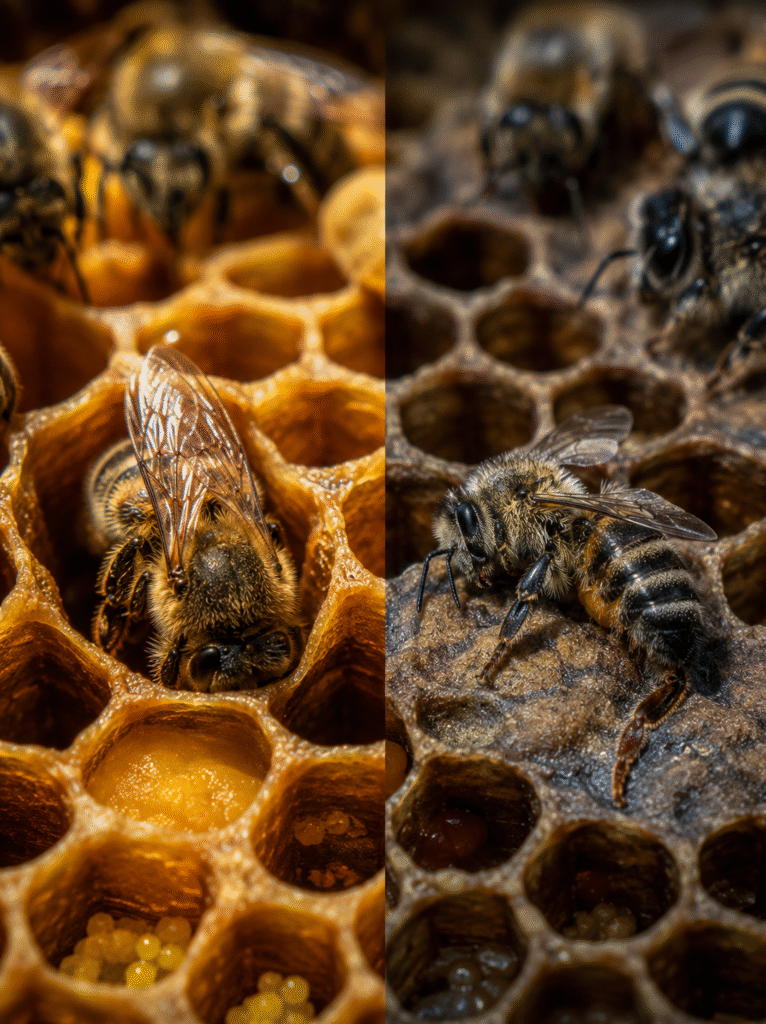
This is a question every new beekeeper eventually asks me, usually in a slightly panicked voice while holding a frame up to the light. Here’s the practical test I use in the field: a sleeping bee, given a gentle stimulus — light, warmth, a puff of breath — will respond within a second or two, even if groggily. A dying or severely chilled bee either doesn’t respond at all or responds with an uncoordinated twitch that doesn’t resolve into normal movement. Posture matters too. Sleeping bees tend to hold a relaxed but intact position — legs tucked, antennae drooped but attached to the body normally. Bees in real trouble often show a collapsed or asymmetric posture that looks different once you’ve seen both enough times to compare them.
I’ll admit some uncertainty here, and it’s worth being honest about it: the line between deep rest and genuine distress in an individual bee isn’t always obvious even to someone who’s inspected thousands of frames, and colony-to-colony behavior varies enough regionally and seasonally that I wouldn’t treat my own field rule as a universal diagnostic. If you’re ever genuinely unsure whether a cluster of still bees signals healthy rest or a colony-health problem, that’s worth a second look at the broader hive — not a judgment call on one motionless bee alone.
Do Bees Sleep? The Bottom Line
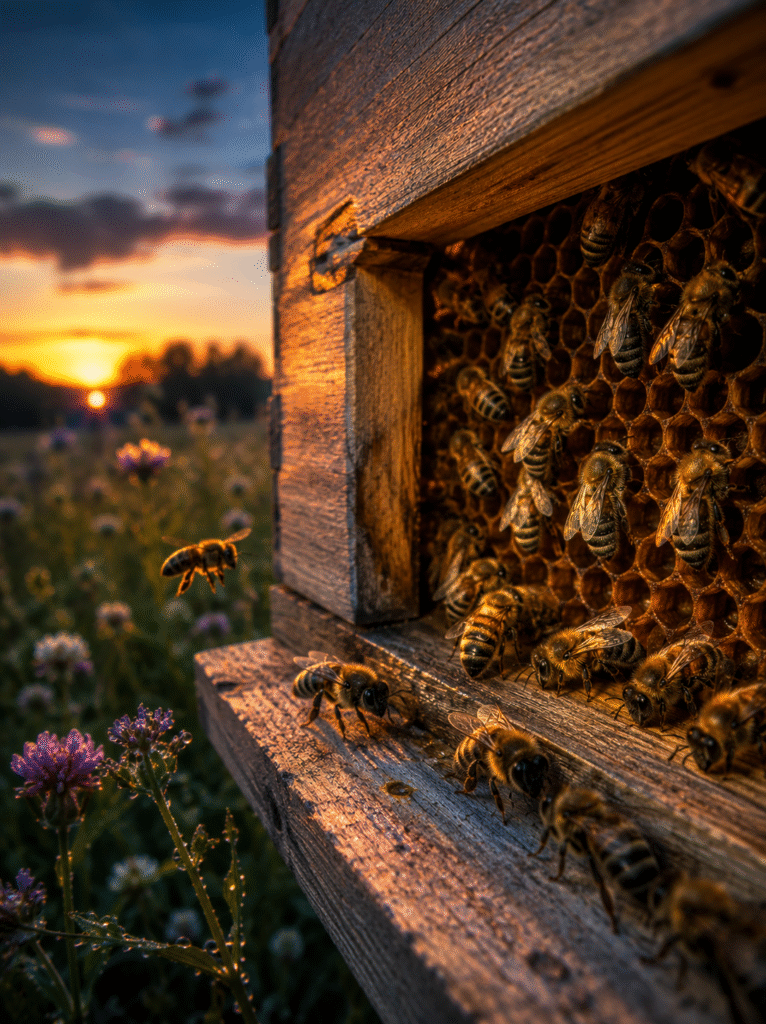
Bees sleep, they sleep differently depending on their job inside the colony, and that sleep matters more than a curiosity — it’s tied directly to how accurately a forager remembers a route and how clearly she can communicate it to the rest of the hive. Next time you’re near a hive after dark, resist the urge to disturb it. What looks like an unusually quiet colony is very likely a colony doing exactly what it needs to do to fly straight and dance accurately come morning.
FAQ
Do bees sleep at night or during the day? Foragers sleep primarily at night, in a pattern that closely tracks daylight hours since they can’t navigate or forage in the dark. Nurse bees and younger workers rest in shorter, scattered bursts across both day and night, since brood care doesn’t stop at sunset.
How many hours a day does a bee sleep? Research suggests forager bees typically sleep five to eight hours in a 24-hour period, usually consolidated at night. Nurse bees accumulate rest in shorter, more irregular naps rather than one long block, making a precise daily total harder to pin down.
Where inside the hive do bees actually sleep? Most sleeping happens tucked inside empty comb cells, often near the edges of the brood nest, sometimes alone and sometimes in small clusters sharing body heat. Bees will also rest along comb edges or in quiet corners away from active traffic.
Do bumblebees and solitary bees sleep differently than honey bees? Yes. Many solitary bees, especially males, sleep outside the nest entirely — gripping a stem or twig with their mandibles and holding still until morning. Male bumblebees do something similar in flowers once they’ve left the nest for good.
What happens if a bee doesn’t get enough sleep? Sleep-deprived bees show measurably worse memory recall for learned foraging routes and less accurate waggle-dance communication, according to controlled research. Since colony foraging efficiency depends on both, poor rest has real downstream effects on the hive.
Can you tell if a bee is sleeping or dead? A sleeping bee will typically respond within a second or two to gentle stimulus like light, warmth, or a light puff of air, even if the response is groggy. A dead or severely distressed bee won’t respond at all, or will show an uncoordinated twitch rather than normal movement.
Does artificial light at night disturb bee sleep? Research and field observation both suggest yes — floodlit or heavily lit apiary sites tend to show more irregular nighttime activity and can interfere with the consolidated rest foragers rely on, with knock-on effects for navigation and communication accuracy.
Do queen bees ever sleep? Queens appear to rest briefly between egg-laying bouts rather than following a forager-style consolidated sleep pattern, though this is one of the least-studied corners of bee sleep research, and I’d flag it as genuinely uncertain territory rather than settled science.