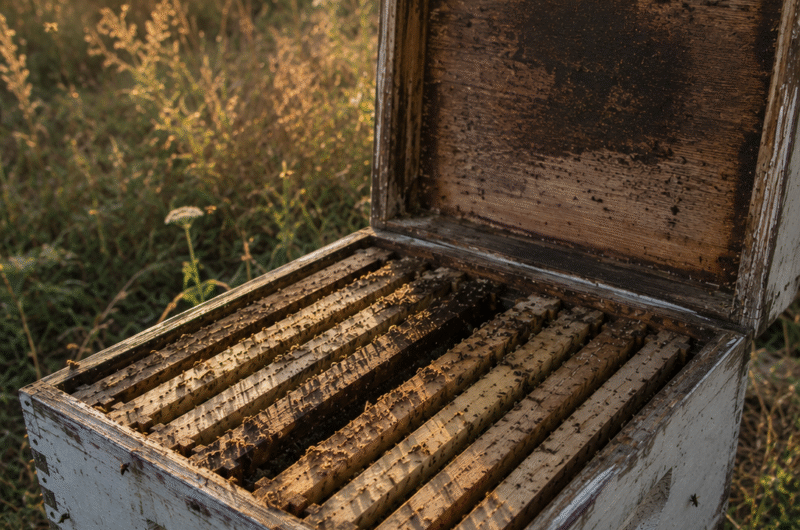

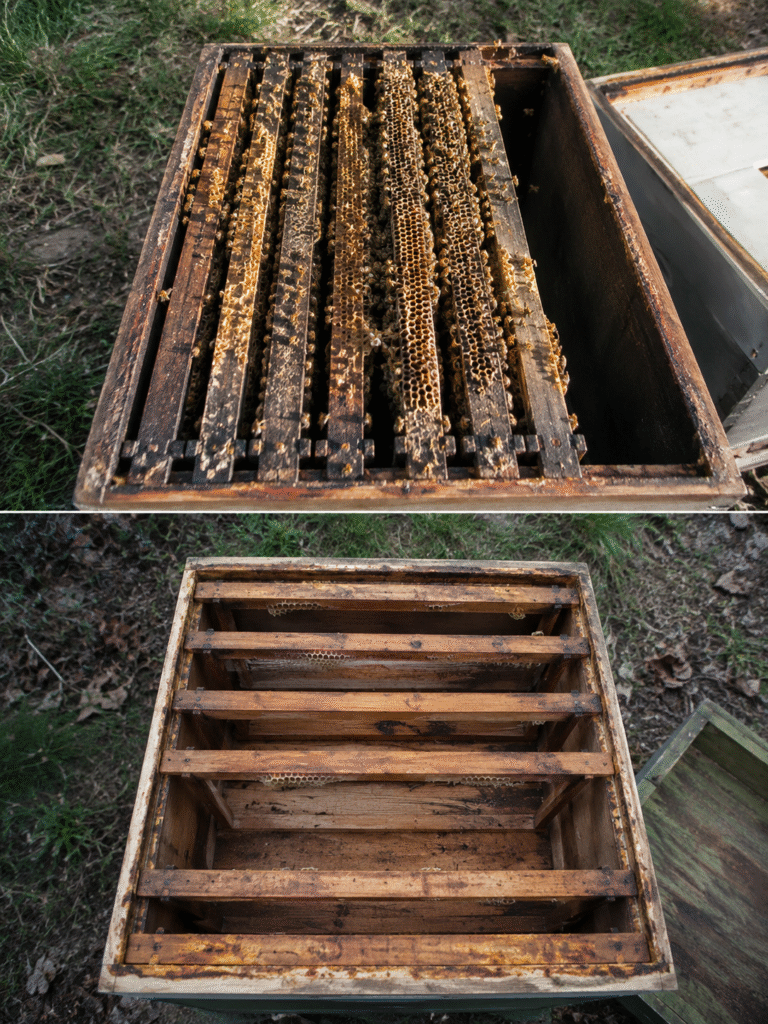
A beekeeper in Vermont once described it to me as “the worst kind of quiet.” She’d gone out on a Tuesday morning to check a hive that had been thriving four days earlier — heavy with brood, bringing in pollen by the fistful — and found it empty. Not dead. Not robbed. Empty, with honey stores untouched and not a single bee, living or dead, left behind. No cluster of corpses on the bottom board, no obvious disease symptoms, nothing. Just frames of comb and silence.
She called it a ghost hive. I’ve heard other beekeepers use the same phrase independently, without ever having spoken to each other, which tells you something about how universally unsettling this experience is in the beekeeping community.
Two Very Different Phenomena That Get Confused Constantly
Here’s where I want to be precise, because most coverage of “disappearing bees” collapses two entirely different events into one vague narrative.
The first is genuine Colony Collapse Disorder, the phenomenon that drove major media coverage starting around 2006 and that researchers have spent nearly two decades trying to fully characterize. CCD has specific diagnostic markers: the queen and a small cluster of young bees remain behind, capped brood is present with no nurse bees to tend it, and food stores sit untouched despite no robbing activity. It’s an abandonment under stress, not a true disappearance — the adult foragers leave and simply never return, likely dying scattered across the landscape rather than at the hive.
The second is something altogether different: absconding. This is a natural, ancient behavior where the entire colony — queen included — picks up and leaves together, usually in response to specific, identifiable stressors. Absconding colonies don’t leave brood behind to die slowly; they often leave because conditions have become genuinely untenable, and what remains is frequently an empty hive with little to no brood at all, because the bees timed their departure around brood cycles.
I think this distinction matters enormously, and it’s the piece almost every viral “mystery disappearance” story skips entirely. When a beekeeper posts a video of an empty hive captioned “where did they go?”, the internet defaults to CCD because that’s the term most people know. But in my experience corresponding with beekeepers who’ve documented these events carefully, true absconding is actually the more common explanation for a sudden, complete, brood-free vanishing.
What Actually Drives a Colony to Abscond
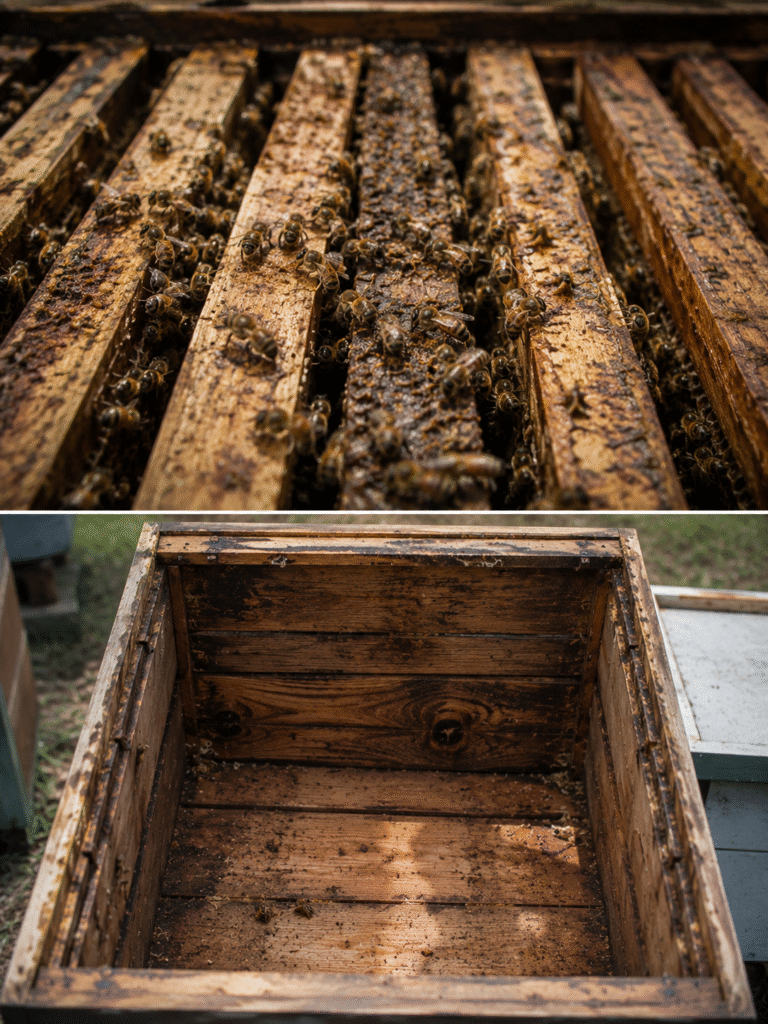
I spent time this year going through field notes from several beekeepers willing to share their “ghost hive” experiences in detail, and a pattern emerged that doesn’t get discussed nearly enough.
Heat stress inside poorly ventilated hives during sudden, intense heat spikes shows up again and again. A colony that experiences several consecutive days above 95°F with inadequate airflow can reach a point where the internal hive temperature threatens brood viability, and bees will abandon a location entirely rather than continue fighting a losing thermal battle. One Texas beekeeper described losing two hives this way during a heat dome event, both absconding within 36 hours of each other despite being in different yards three miles apart — same weather, same outcome, no contact between the colonies.
Chronic, low-level pest pressure is another driver that’s underappreciated. We talk constantly about Varroa as a colony killer through disease vectoring, but a heavy, unresolved infestation can also simply push a colony to leave, particularly if combined with small hive beetle pressure that’s overwhelmed the bees’ ability to police the hive. It’s not always a single catastrophic event. Sometimes it’s accumulated, ongoing stress that crosses a threshold the beekeeper never sees coming because no single inspection looked alarming.
And then there’s something I find genuinely fascinating and underreported: repeated disturbance. Colonies inspected too frequently, too invasively, or too close to dusk — when bees are settling and more sensitive to disruption — show absconding rates that several experienced beekeepers I spoke with consider noticeably higher than equivalent, less-disturbed colonies. This isn’t formally quantified in the research the way Varroa thresholds are, but it’s a consistent enough observation across independent, experienced beekeepers that I think it deserves more attention than it gets.
Why the Distinction Isn’t Just Academic
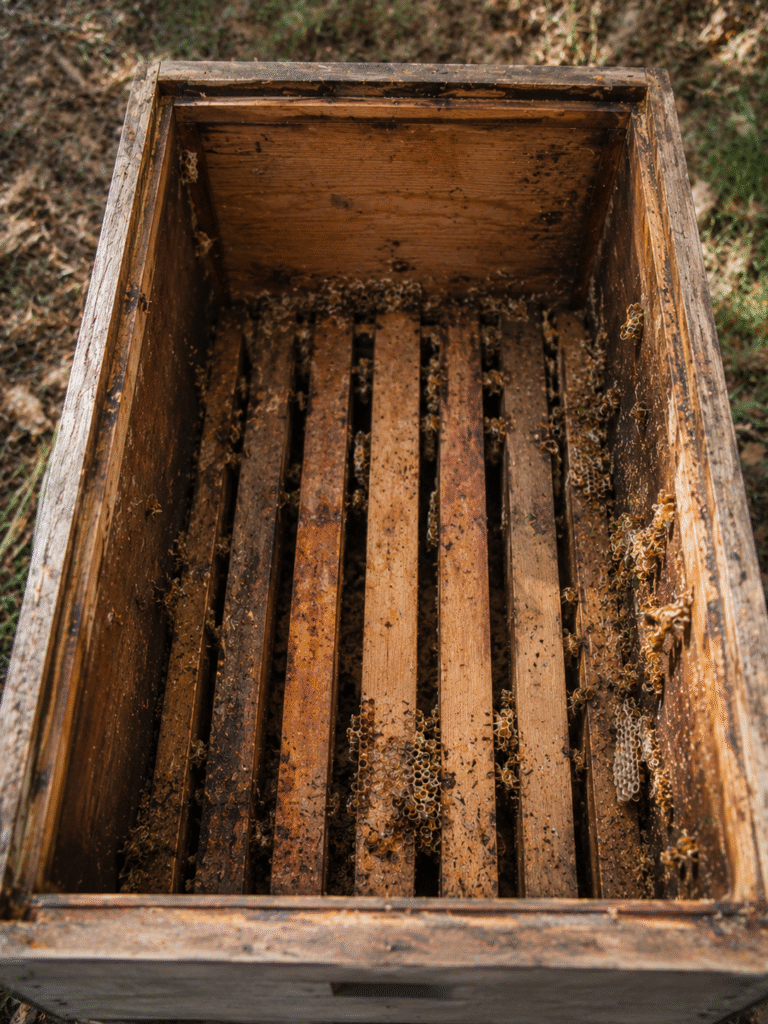
This matters practically, not just semantically. If you assume every empty hive is CCD, you’ll often misdiagnose your management practices and miss the actual fixable cause.
CCD, as currently understood, is associated with a tangle of interacting stressors — pesticide exposure, pathogen load, nutritional deficits — that are largely outside an individual beekeeper’s immediate control on any given day. Absconding, by contrast, is frequently a direct response to conditions a beekeeper can identify and correct: improve ventilation before the next heat spike, get ahead of mite counts earlier in the season, space out inspections during sensitive periods.
I’ve watched beekeepers spiral into discouragement after a hive loss they assumed was an unstoppable, mysterious epidemic, when a more careful read of the evidence — comb condition, brood presence, timing relative to a known heat event — pointed toward something they could have prevented. That’s not meant to assign blame; it’s meant to offer something actually useful, which is rarer than it should be in how this topic usually gets covered.
How to Read Your Own Empty Hive
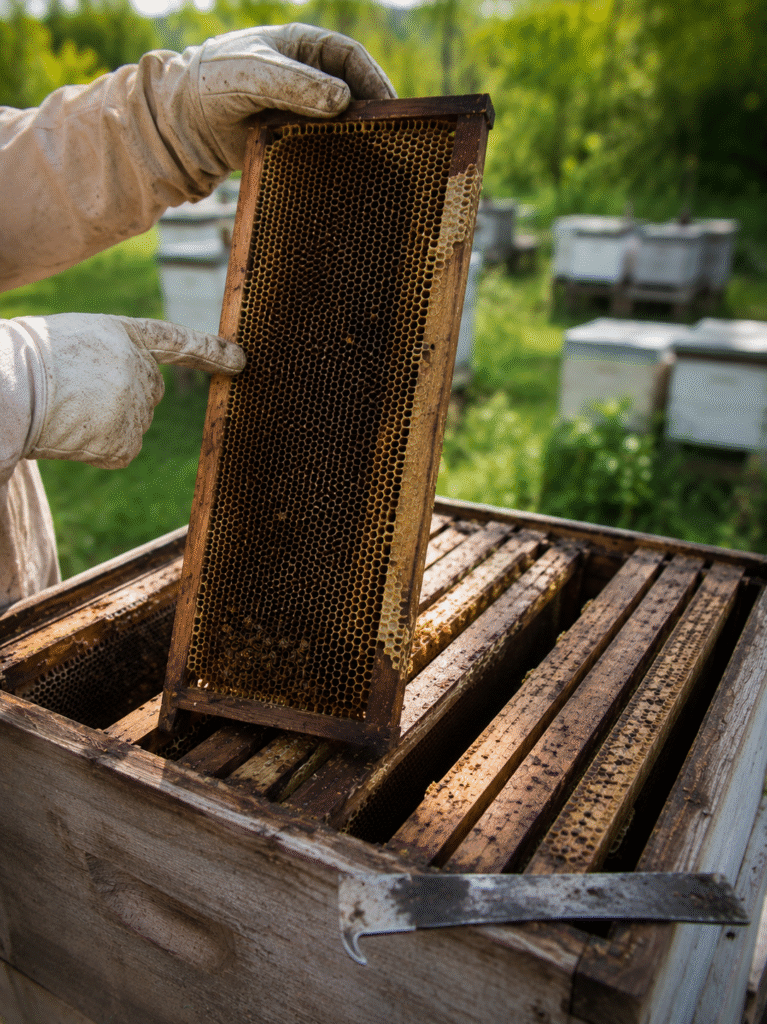
If you ever find yourself standing in front of a suddenly empty box, here’s the diagnostic sequence I’d actually walk through, based on conversations with beekeepers who’ve documented dozens of these events between them.
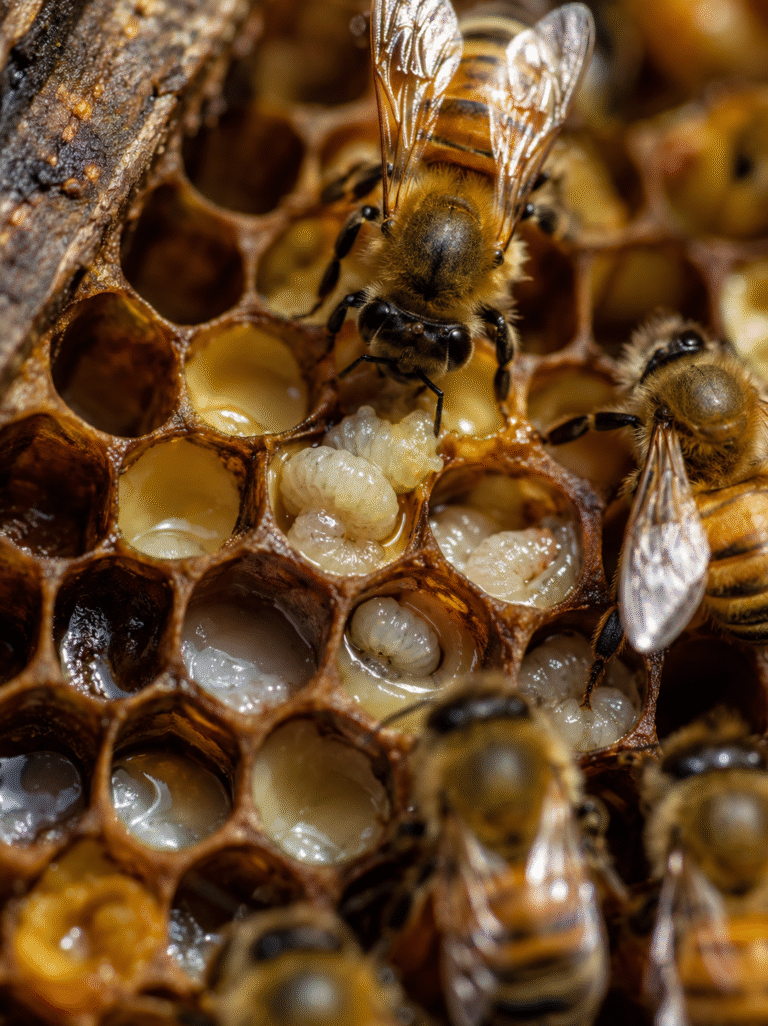
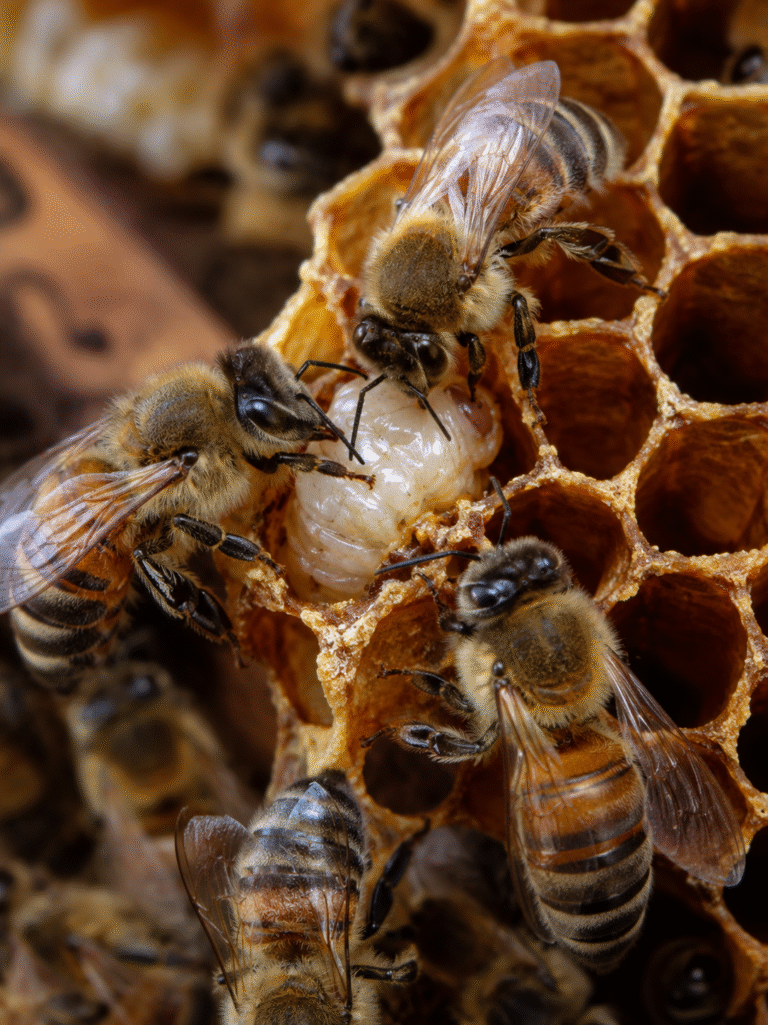
Check for capped brood first. Its presence, abandoned, points toward CCD-pattern collapse. Its absence, especially combined with a hive that was recently strong and active, points toward absconding timed around a brood cycle.
Check the honey stores. Untouched stores with no robbing activity (no torn cappings, no debris at the entrance) rules out robbing as the explanation and supports either CCD or absconding. Stores that have clearly been raided point you toward a robbing event entirely separate from either phenomenon.
Think back over the prior two weeks. Was there a heat spike? A late, heavy mite treatment? An unusually invasive inspection or hive move? Absconding rarely happens in a vacuum, and the trigger is often identifiable if you’re honest with your own recent management timeline.
What This Story Is Really About
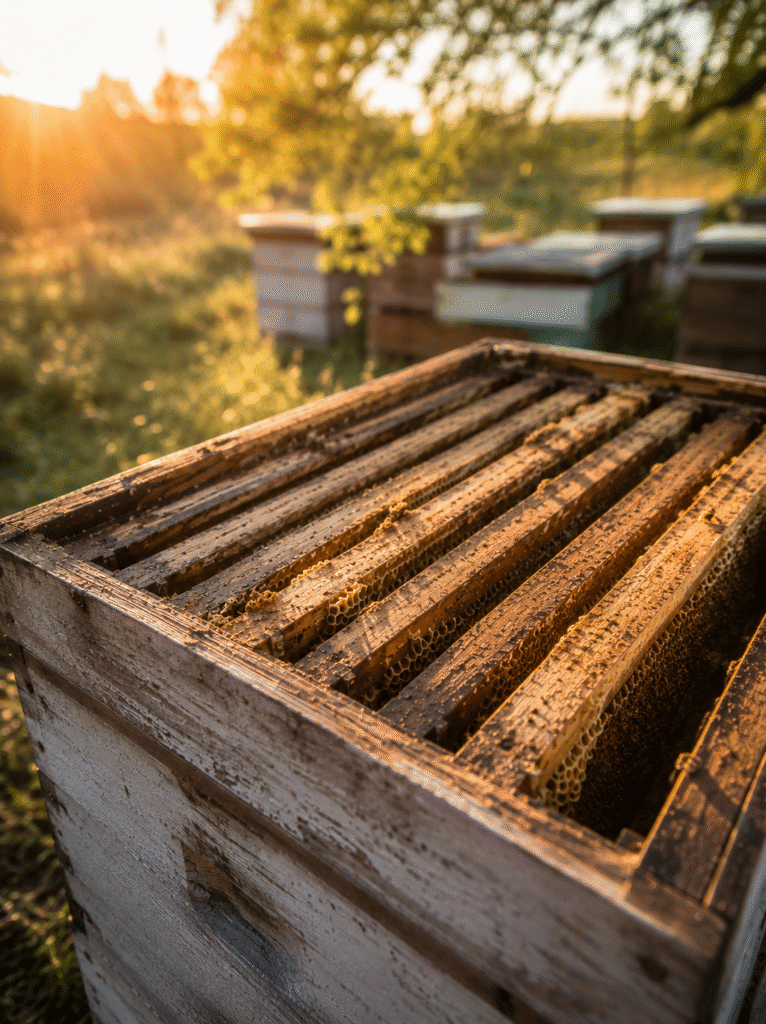
I think the reason “disappearing bee” stories generate so much fascination isn’t really about the mystery itself — it’s about what an empty hive represents. It’s a visible, almost eerie symbol of how fragile colony cohesion actually is, how much a hive’s apparent stability depends on continuous, active decision-making by thousands of individual insects working from shared signals.
A thriving colony isn’t a fixed structure the way a house is. It’s closer to a continuously renegotiated agreement among tens of thousands of bees about whether this particular location is still worth defending. When that agreement breaks, sometimes the cause is mysterious and sits beyond what current research has fully mapped. But more often than most people assume, it’s a readable, preventable response to specific stress — and learning to read it correctly is one of the more underrated skills a beekeeper can develop.