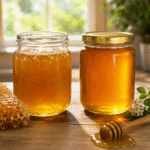
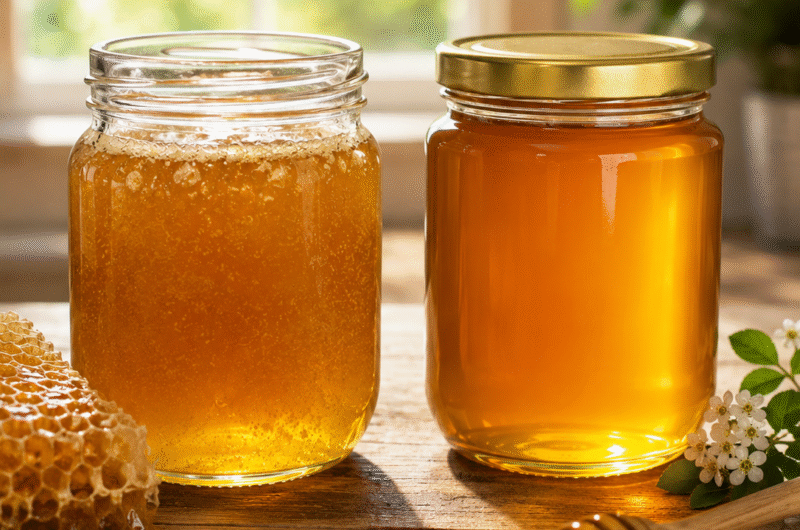

A few years ago, a friend handed me a jar of honey she’d picked up at a farmers market. No label, no bear-shaped bottle — just a mason jar with a handwritten tag that said “wildflower, July harvest.” I spread some on toast, took a bite, and genuinely thought something had gone wrong with the honey I’d been buying my whole life.
It wasn’t just sweeter. It was different. Floral, slightly waxy, almost alive. I looked at the golden grocery store jar sitting on my counter and felt quietly betrayed.
That was the moment I started paying attention to what’s actually in honey — and more importantly, what gets taken out of it.
First, Let’s Talk About What Honey Actually Is
Before we get into the raw vs. processed debate, it helps to understand what honey is at its most basic level.
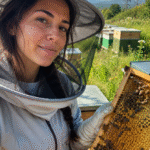
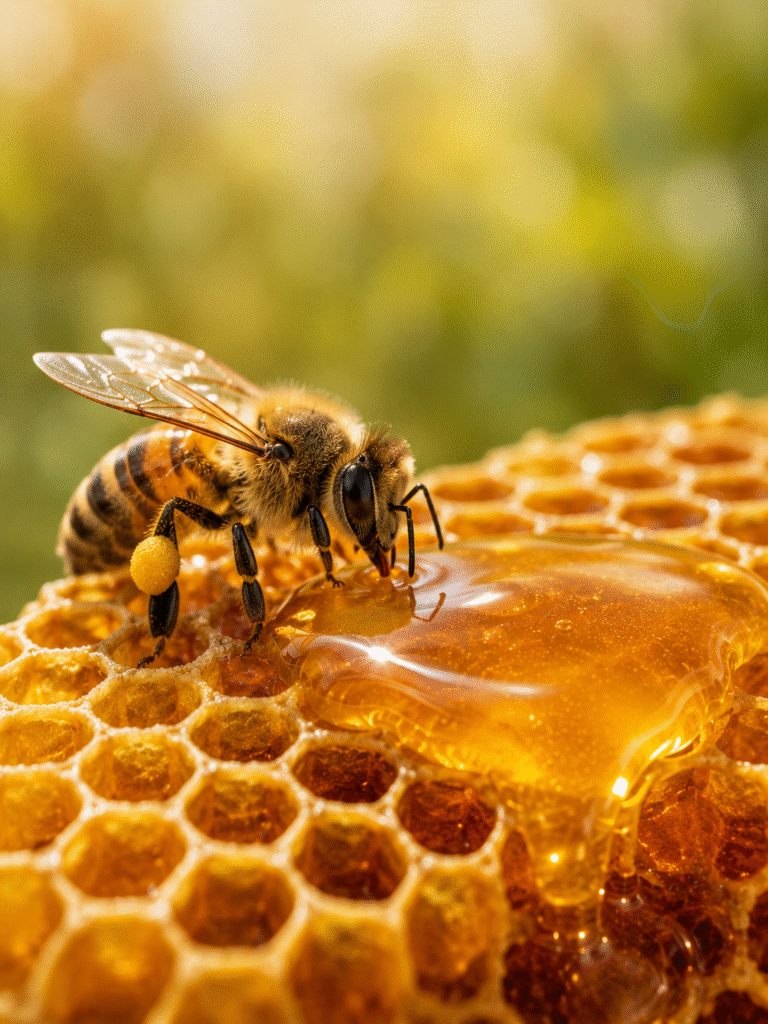
Bees collect nectar from flowers, carry it back to the hive, and pass it between worker bees to break down its complex sugars. It’s then deposited into honeycomb cells, where bees fan it with their wings until most of the water evaporates. Once the water content drops to around 17–20%, the bees cap the cells with wax. That’s honey — a concentrated, enzyme-rich, naturally preserved food that can last indefinitely if stored correctly.
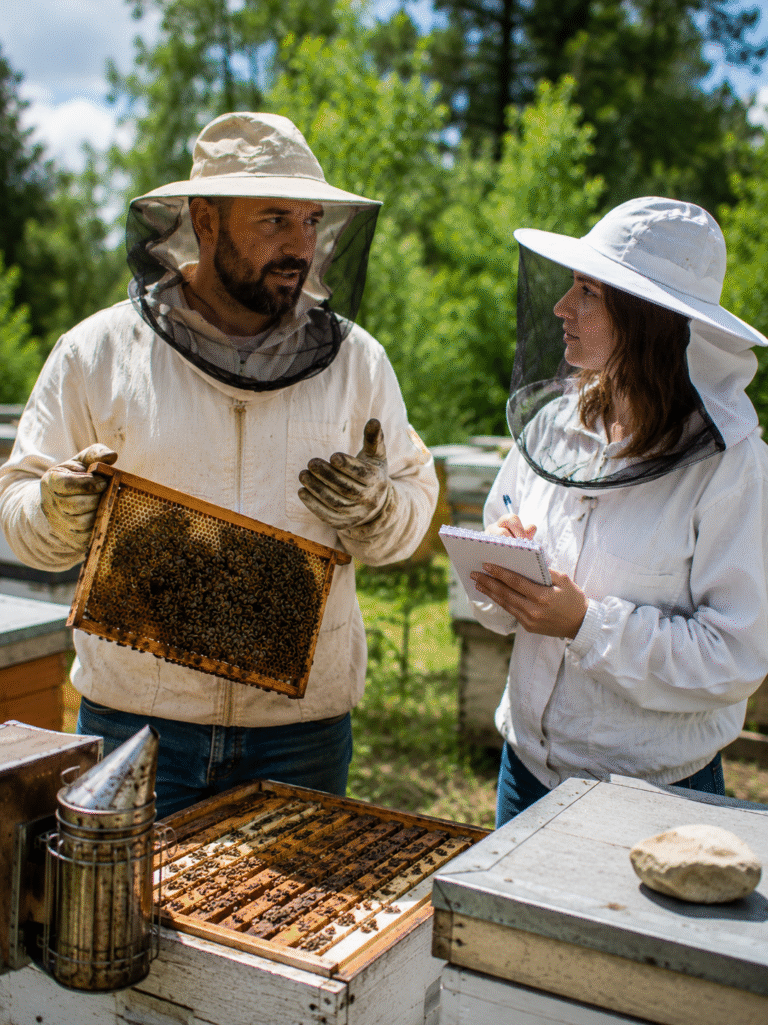
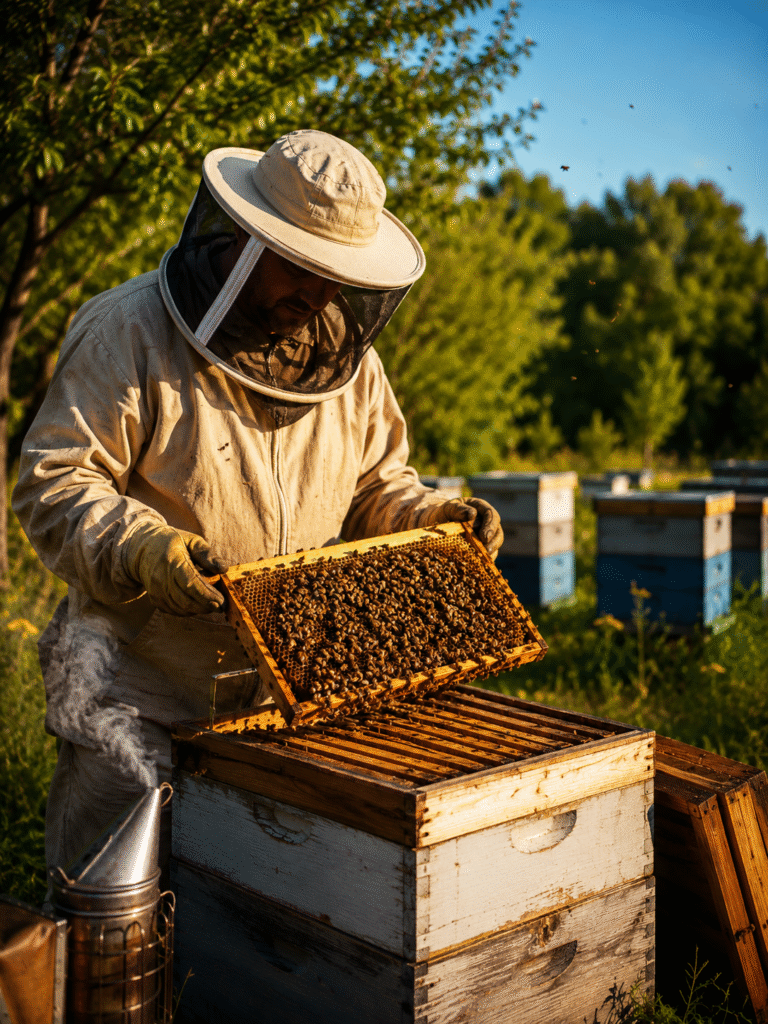
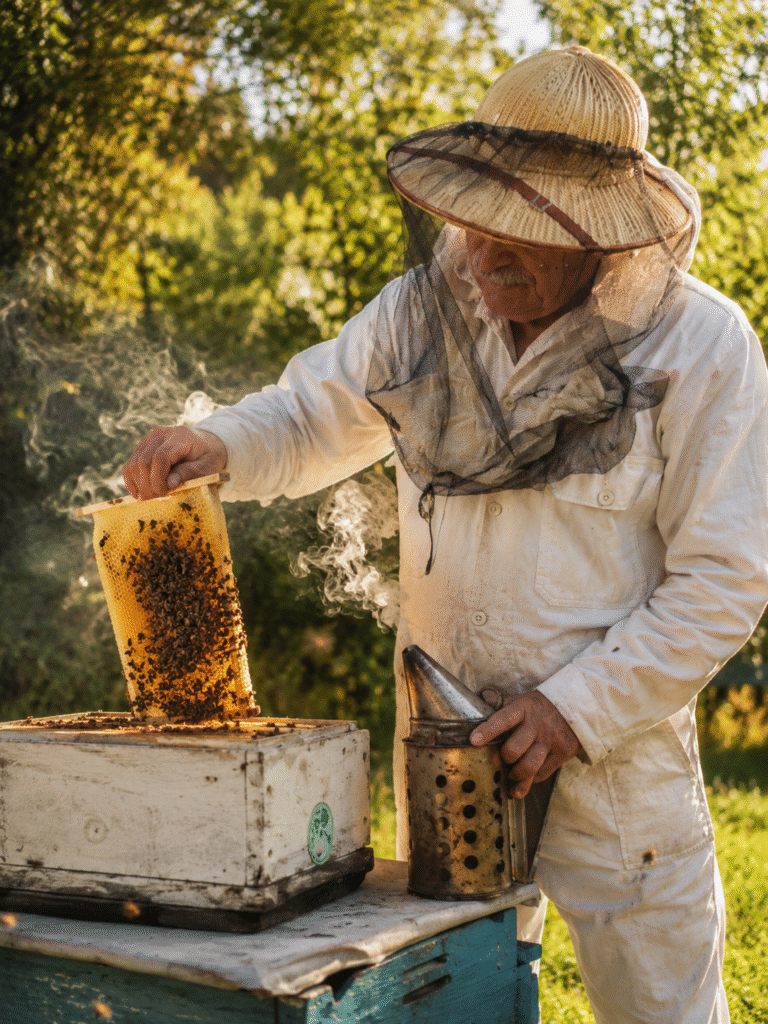
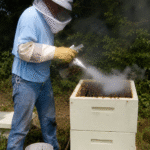
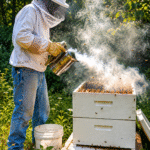
Raw honey is essentially that product, minimally handled. It’s extracted from the hive, strained to remove large debris like wax and bee parts, and jarred. That’s it.
What most people buy at the supermarket has been through a lot more than that.
What Happens to Honey Before It Hits the Shelf
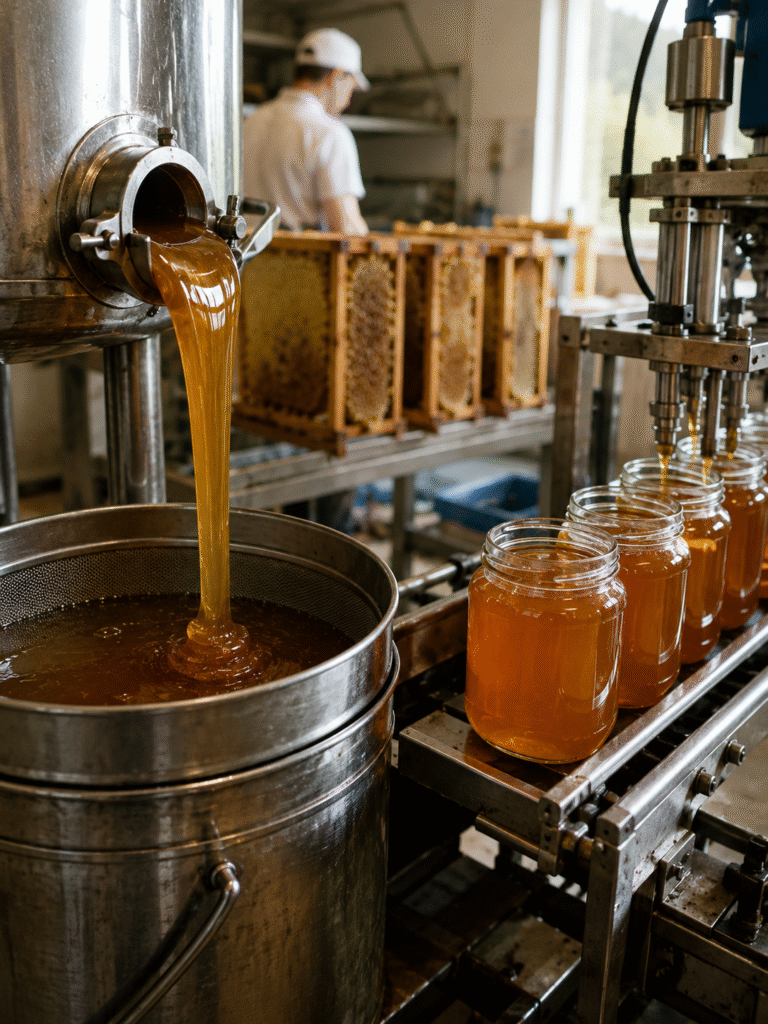
Commercial honey processing typically involves two main steps: heating and ultra-filtration.
Heating makes honey easier to pump, bottle, and ship. It also delays crystallization, which most consumers interpret (incorrectly) as spoilage. The problem is that heat above around 40°C (104°F) begins to degrade the enzymes, antioxidants, and beneficial compounds that give honey its nutritional character. Many commercial operations heat honey well above this threshold.
Ultra-filtration pushes honey through extremely fine filters under high pressure, removing pollen, wax particles, and air bubbles. The result is a perfectly clear, smooth product with a long shelf life — and almost no pollen left inside.
Here’s why that matters: pollen is how scientists identify where honey actually comes from. Without it, there’s no traceability. A 2011 study by Food Safety News found that a significant portion of honey sold in U.S. grocery stores contained no pollen whatsoever — making it impossible to verify the honey’s geographic origin or confirm it wasn’t adulterated with cheap sweeteners like high-fructose corn syrup or sugar water imported from overseas.
That’s not a scare story. It’s just chemistry.
What Raw Honey Still Has That Processed Honey Doesn’t
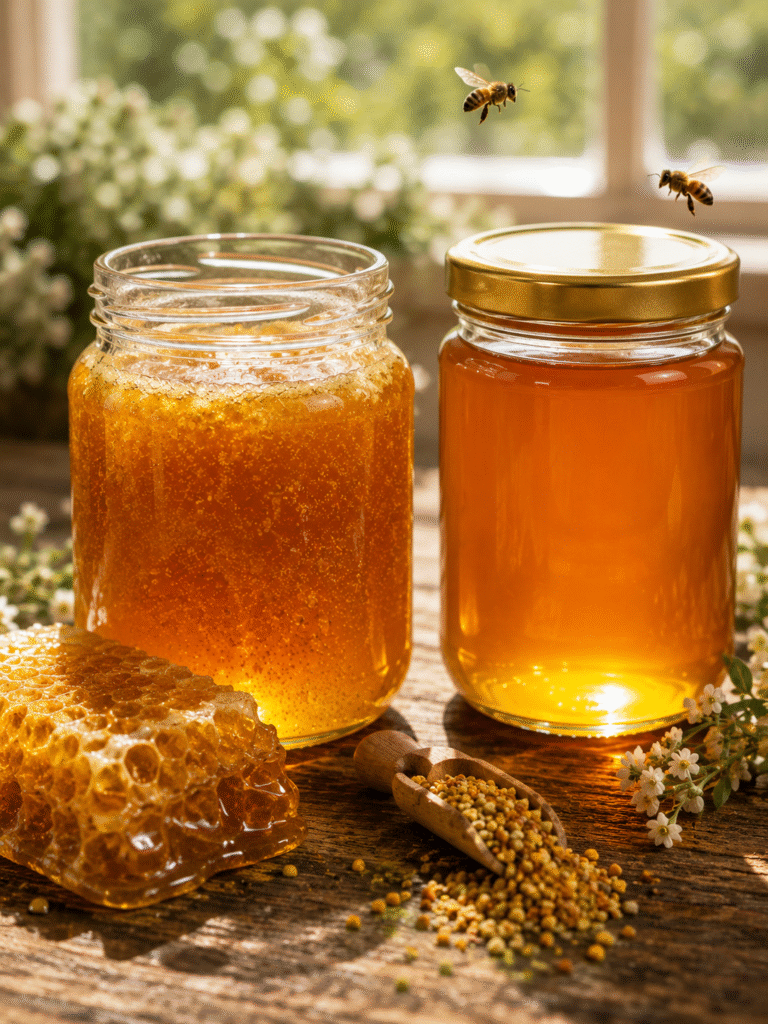
When honey is left in its natural state, it retains a few things worth knowing about :
Enzymes. Bees add enzymes to nectar during processing — most notably diastase (which breaks down starches) and glucose oxidase (which produces hydrogen peroxide, part of what gives honey its antimicrobial properties). Heat degrades these enzymes. Raw honey retains them.
Antioxidants. Honey contains polyphenols and flavonoids, the same compounds that make blueberries and green tea worth paying attention to. Studies have shown that darker honeys — buckwheat, manuka, wildflower — tend to have higher antioxidant content. Processing reduces these.
Pollen. Beyond traceability, bee pollen is a genuinely nutrient-dense substance: proteins, vitamins, minerals, and fatty acids. It’s present in raw honey in small amounts. Filtered out in most commercial products.
Beneficial bacteria. Raw honey contains naturally occurring Lactobacillus bacteria — yes, the same family of bacteria associated with gut health. Processing kills most of them.
Local microflora. This one is harder to measure but matters to a lot of people. Raw honey from your area contains trace amounts of local pollen, which some believe supports the immune system’s response to regional allergens. The scientific evidence on this specific claim is limited and mixed — but the logic is sound enough that many allergy sufferers swear by it.
The Crystallization Question
Here’s the thing almost nobody tells you at the grocery store: crystallized honey is not bad honey.
Raw honey crystallizes faster than processed honey because it retains more of its natural glucose and pollen particles, which act as seed crystals. If your jar of raw honey goes grainy and thick in the cupboard, that’s actually a sign it’s the real thing.
To reliquefy it, simply place the jar in warm (not hot) water — around 40°C — and stir gently. It’ll return to liquid without losing any of its properties. Never microwave honey if you want to preserve its raw qualities; the heat is too uneven and too intense.
Processed honey resists crystallization because it’s been heated and filtered to remove the very particles that trigger the process. The longer shelf stability is a feature for retailers — but it comes at a nutritional cost.
Does Raw Honey Actually Taste Different?
Yes. Full stop.
But the more interesting question is why — and the answer takes you deep into what makes honey such a fascinating food.
Processed honey tastes relatively uniform because ultra-filtration strips out much of what gives individual honeys their character. The resulting product is sweet and mild, which is fine, but it’s a bit like saying all wine tastes like “grape juice with alcohol.”
Raw honey, by contrast, is enormously variable. A raw clover honey from the Midwest will taste clean and light. A raw buckwheat honey is dark, almost molasses-like, with a sharp finish. Raw orange blossom honey from Florida or California smells like you put your face in an actual flower. Raw manuka from New Zealand has an earthy, medicinal depth that is either wonderful or intense depending on who you ask.
This variability isn’t a flaw. It’s the flavor of a specific place, season, and plant — something no amount of industrial processing can manufacture.
Is Raw Honey Safe for Everyone?
One important note: raw honey is not safe for infants under 12 months old. This applies to all honey — raw or processed — due to the risk of Clostridium botulinum spores, which an infant’s immature digestive system cannot safely handle. Processed honey does not eliminate this risk.
For healthy adults and children over one year old, raw honey is safe and widely consumed around the world.
People with pollen allergies should be aware that raw honey contains pollen, though reactions from honey consumption are rare and different from airborne pollen exposure.
So Which Should You Buy?
That depends on what you want from it.
If you’re baking or dissolving honey into a hot drink where its nuances will be cooked off anyway, the difference between raw and processed is less meaningful. Processed honey is fine for those uses.
But if you’re spreading it on toast, drizzling it over yogurt, using it as a finishing element on a cheese board, or taking a spoonful for a sore throat — raw honey is the better choice by almost every measure: flavor, nutritional integrity, and traceability.
The practical advice is simple: find a local beekeeper or a farmers market honey vendor, ask what they sell, and buy a small jar. Compare it side by side with whatever’s in your cupboard right now. You’ll taste the difference immediately, and you’ll understand why people who’ve crossed over rarely go back.
The bear bottle isn’t evil. It’s just not the whole story.
Quick Reference: Raw vs Processed Honey
| Raw Honey | Processed Honey | |
|---|---|---|
| Enzymes | Preserved | Largely degraded |
| Antioxidants | Higher levels | Reduced |
| Pollen | Present | Usually removed |
| Flavor | Complex, variable | Mild, uniform |
| Crystallization | Faster | Slower |
| Shelf life | Long (stored correctly) | Longer |
| Traceability | High | Often unverifiable |
| Safe for infants? | No | No |