
Let me ask you something.
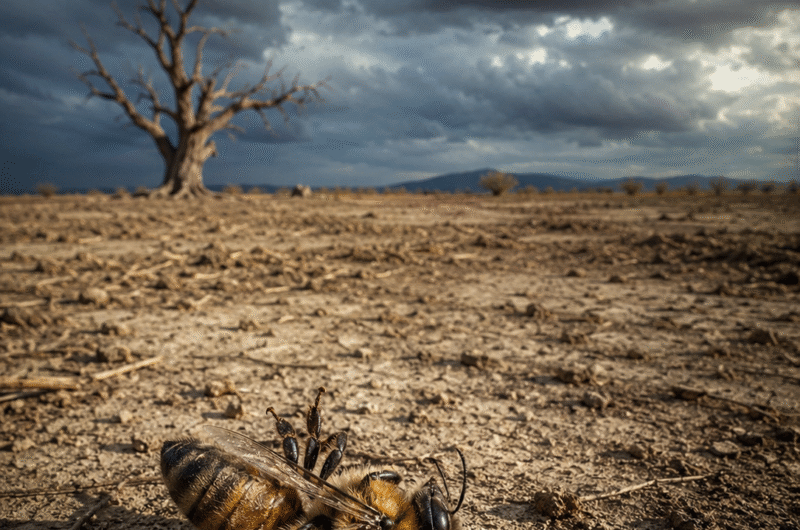
When was the last time you bit into a ripe strawberry, drizzled honey over your yogurt, or enjoyed an almond? If you did any of those things today, you have a bee to thank. Specifically, you have billions of bees to thank — a workforce so vast and so tireless that no human technology has ever come close to replacing it.
Now here’s the part that should make you put down your coffee: that workforce is shrinking. Fast.
The Numbers Are Hard to Ignore
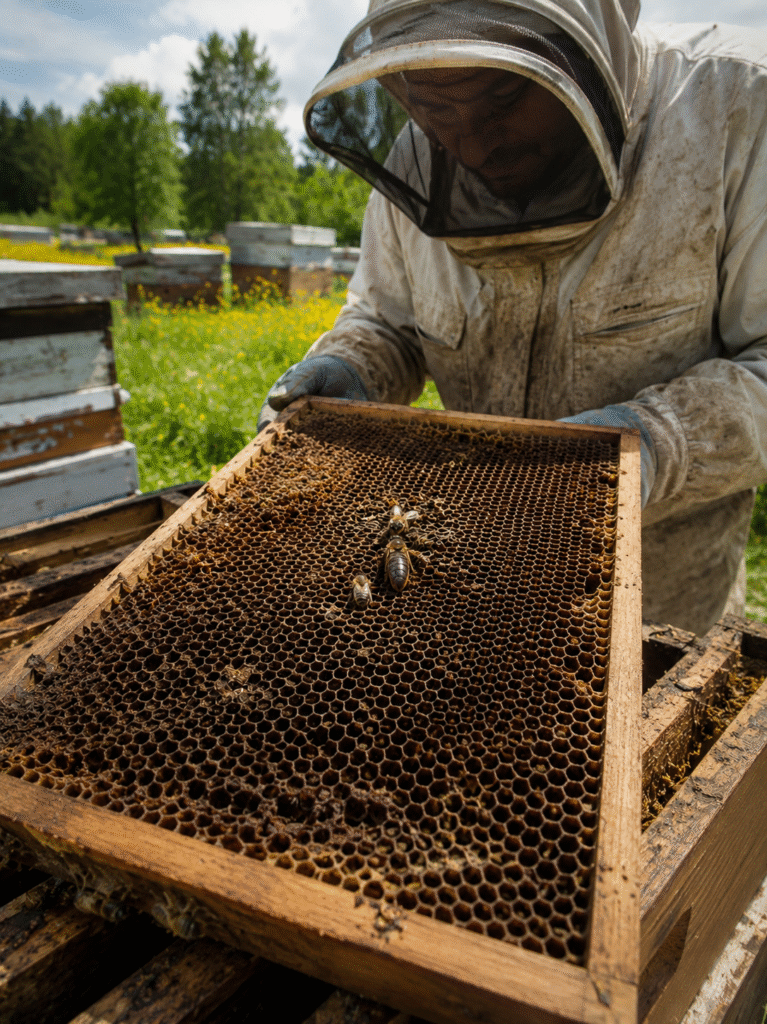
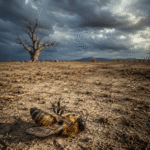
Every year, beekeepers across the United States lose roughly 30 to 40 percent of their colonies over winter. Let that sink in. Imagine going to work on Monday and finding that nearly half your colleagues had simply… vanished. No explanation. No warning.
In a healthy world, a beekeeper might expect to lose 10 to 15 percent of their hives in a bad season. What’s happening now isn’t a bad season. It’s a pattern that’s been building for decades — and it’s accelerating.
Scientists even gave it a name: Colony Collapse Disorder (CCD). It was first documented in 2006 when beekeepers across North America started reporting something eerie. The adult bees were gone. Not dead — gone. The queen was left behind, surrounded by honey and young bees, with no foragers to sustain the colony. It was, and still is, one of the strangest mysteries in modern agriculture.
So What’s Actually Killing Them?
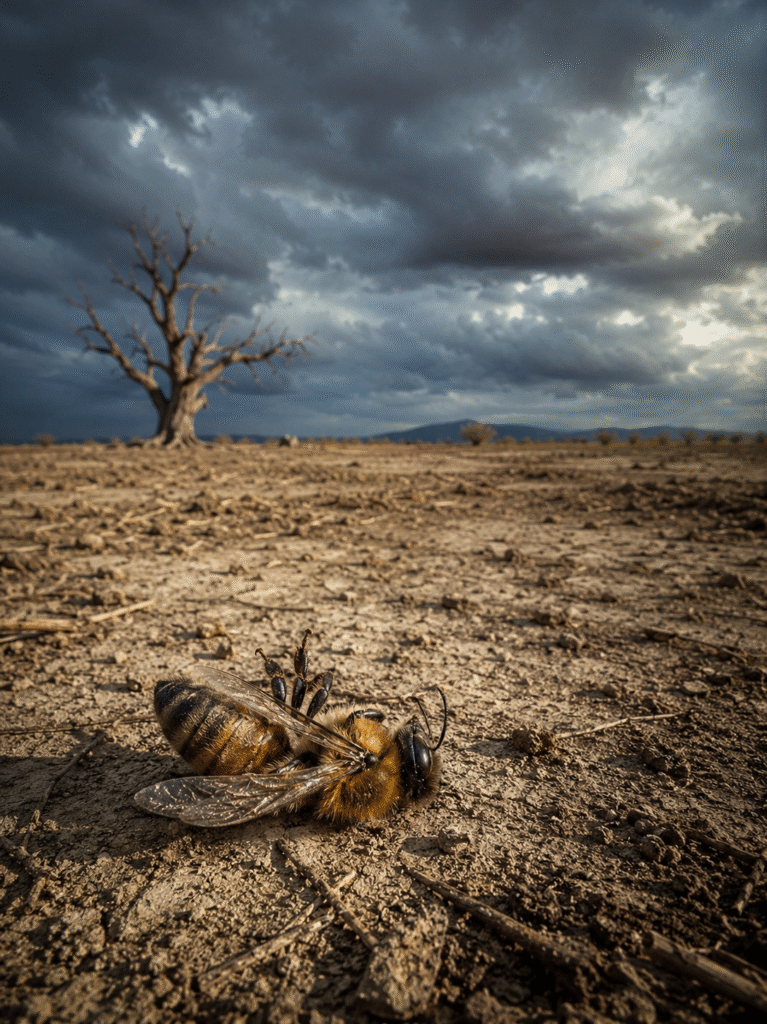
Here’s the honest answer: it’s not one thing. It’s a perfect storm of several, all hitting at once.
The Varroa Mite — Public Enemy Number One
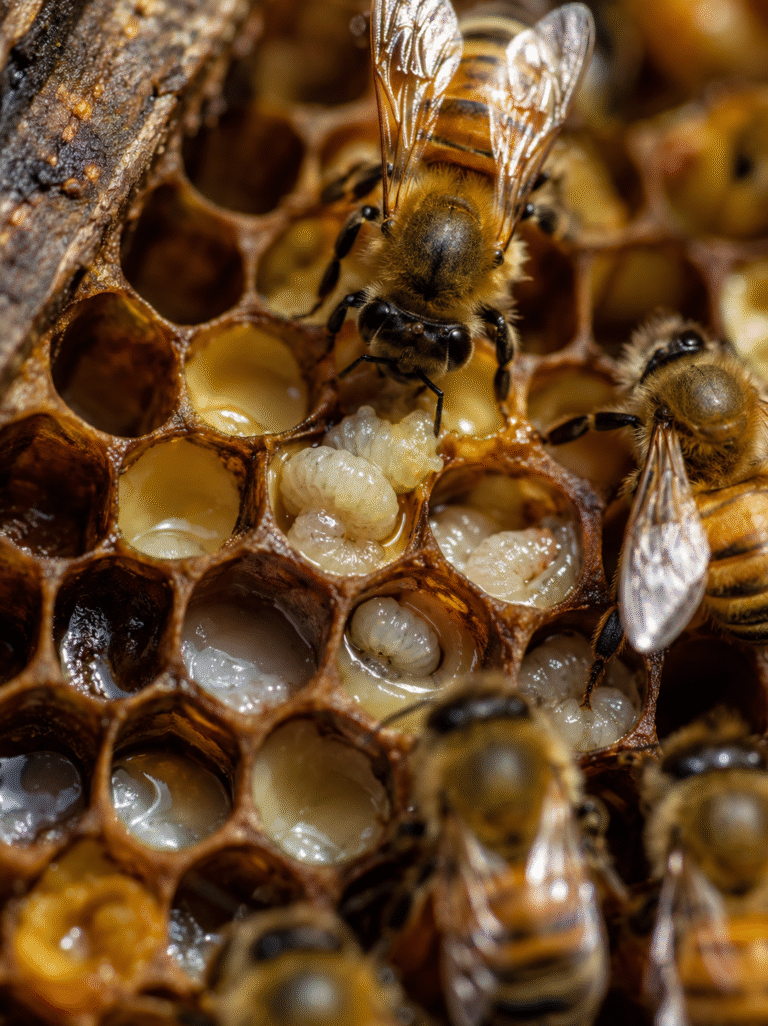
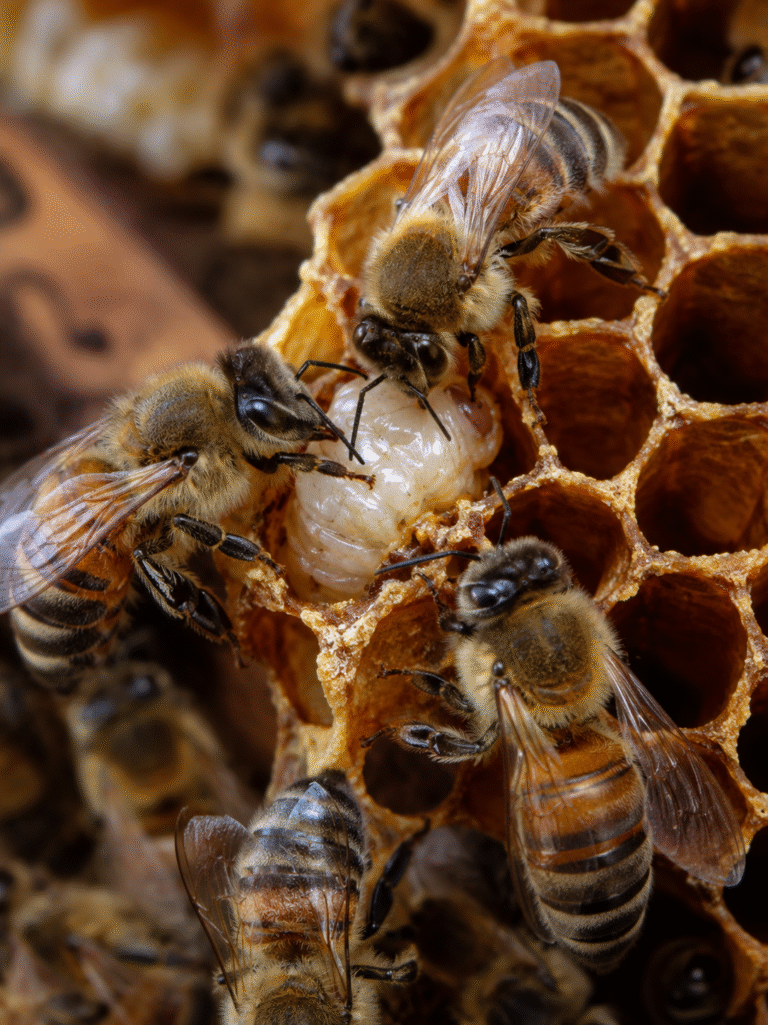
If you’ve never heard of Varroa destructor, allow me to introduce you to the single greatest threat to honeybee populations on the planet. It’s a tiny, rust-colored parasite — barely visible to the naked eye — that attaches itself to bees and feeds on their fat bodies. Think of it as a tick, but one that also reproduces inside the brood cells where baby bees develop.
A hive infested with Varroa doesn’t die all at once. It weakens slowly — bees emerge smaller, with deformed wings, compromised immune systems. And the mite spreads viruses while it feeds. Left untreated, a Varroa infestation can collapse a colony within two years.
The cruel irony? Varroa was accidentally introduced to the Western honeybee population through international trade. Our bees evolved with no natural defense against it. They never needed one.
Pesticides — The Invisible Threat
In 2013, the European Union made headlines when it banned a class of pesticides called neonicotinoids — or “neonics” — citing their devastating effect on bee populations. In the US, the debate is still ongoing.
Here’s what we know: neonics are systemic pesticides, meaning they’re absorbed into every part of a plant — including the pollen and nectar that bees collect. A bee doesn’t have to land on a sprayed field to be affected. It just has to visit a flower.
Sub-lethal doses don’t kill bees immediately. Instead, they impair navigation, memory, and the ability to return to the hive. Bees get lost. They forget where home is. It’s a slow, invisible kind of damage — and it’s happening across millions of acres.
Habitat Loss — No Flowers, No Future
This one is simple. Bees need flowers. Flowers need wild spaces. And wild spaces are disappearing at an alarming rate.
What was once a patchwork of meadows, hedgerows, and wildflower fields has been replaced — by monoculture farms, suburban sprawl, and perfectly manicured lawns. Bees that once had a diverse buffet of nectar sources now face what researchers call a “food desert.”
A bee colony foraging across a monoculture of corn or soybeans is like a person trying to survive on nothing but crackers. Technically alive. Not thriving.
Climate Change — Throwing Off the Calendar
Bees and flowers have co-evolved over millions of years. They’re synchronized — flowers bloom, bees emerge, pollination happens. It’s a beautiful, ancient rhythm.
Climate change is disrupting that rhythm. Warmer winters cause bees to become active earlier. Flowers bloom on a different schedule. The result? Bees emerge hungry, and the flowers they depend on aren’t ready yet. In some regions, this “phenological mismatch” is already measurable — and it’s getting worse.
Why Should You Care? (Even If You’ve Never Seen a Beehive)
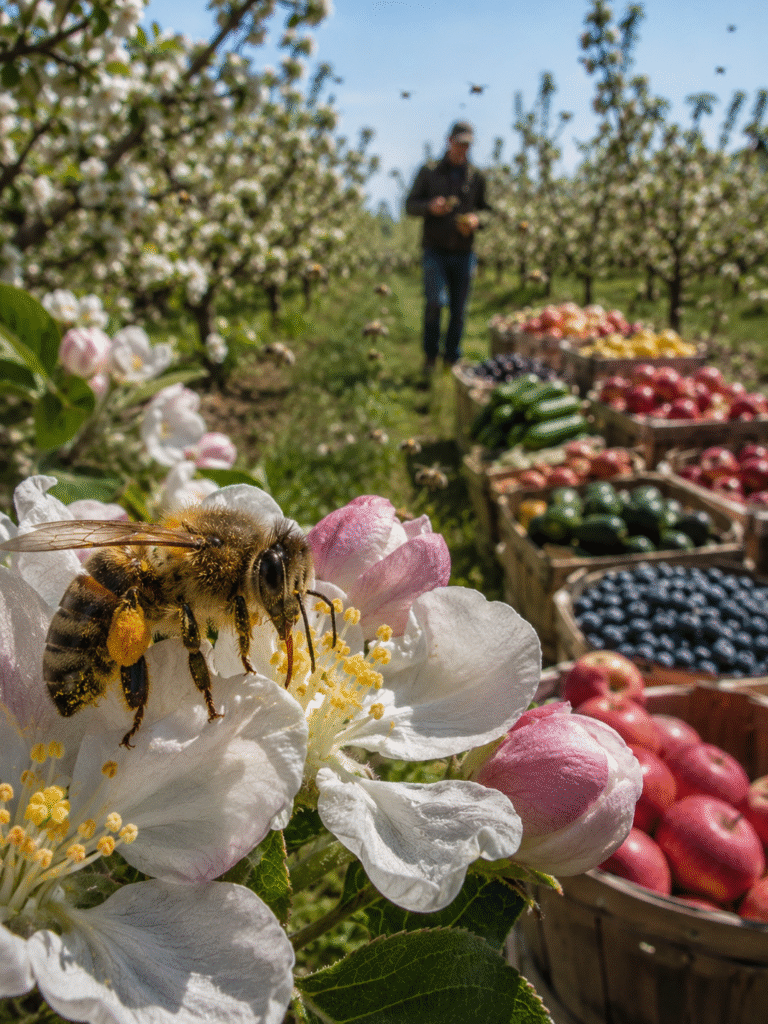
Here’s a number that puts everything in perspective: one-third of the world’s food supply depends on pollinators, with bees doing the lion’s share of the work.
We’re not talking about honey. We’re talking about apples, almonds, avocados, blueberries, cucumbers, cherries, and hundreds of other crops. The almond industry in California alone requires the pollination services of roughly 1.8 million bee colonies every single February — trucked in from across the country in what’s become the largest managed pollination event on Earth.
Without bees, those crops don’t disappear overnight. But they become dramatically more expensive, more difficult to grow, and in some cases, effectively impossible to produce at scale. The economic value of bee pollination to global agriculture is estimated at over $300 billion per year.
That’s not an environmental statistic. That’s your grocery bill.
Is There Hope?
Yes. And it’s worth talking about.
Beekeepers and researchers around the world are fighting back — breeding Varroa-resistant bee populations, developing organic mite treatments, lobbying for stronger pesticide regulations, and working with farmers to restore pollinator habitat on the edges of fields.
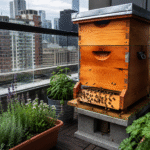
There’s also a quieter revolution happening in backyards and rooftops. Urban beekeeping has exploded in popularity over the last decade. Cities like Paris, London, and New York now host thousands of hives — and some urban bees are actually thriving, with access to diverse gardens and parks that rural bees increasingly lack.
What can you do? More than you think.
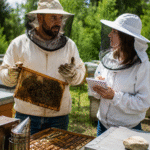
Plant native wildflowers. Reduce or eliminate pesticide use in your garden. Buy local honey — it supports beekeepers who are doing the hard work of keeping colonies alive. And if you’re curious enough, maybe consider keeping a hive yourself.
The Bottom Line
Bees aren’t disappearing because of one villain or one bad decision. They’re disappearing because of a hundred small ones, compounding over decades. The Varroa mite, the neonics, the vanishing meadows, the shifting seasons — each one is manageable. All of them at once, unaddressed, is a crisis.
But here’s what keeps beekeepers going, season after season, even through the losses:
Bees have survived for over 100 million years. They’ve outlasted ice ages, mass extinctions, and the rise and fall of civilizations. They are, by any measure, one of the most resilient creatures on Earth.
They just need us to stop making their world harder to live in.
Enjoyed this article? Follow Beekeeping Corners for more stories from inside the hive.