
I still remember the first time I tasted honey straight from the comb. A neighbor had a few hives tucked behind her garden shed, and one afternoon she handed me a dripping piece of honeycomb like it was nothing. It was nothing to her — just Tuesday. To me, it tasted like every wildflower on the street condensed into one mouthful.
That moment sent me down a rabbit hole. I wanted to know more about bees, about the people who kept them, and about the raw, local honey I’d been missing by defaulting to the grocery store bear bottle. If you’re here, something probably nudged you in the same direction — curiosity, a new hobby, a local honey obsession, or maybe you just found a swarm in your backyard and have no idea what to do next.
Whatever brought you here, finding a local beekeeper is easier than you think. Here’s how.
Why Bother Finding a Local Beekeeper at All?
Fair question. You can buy honey anywhere.
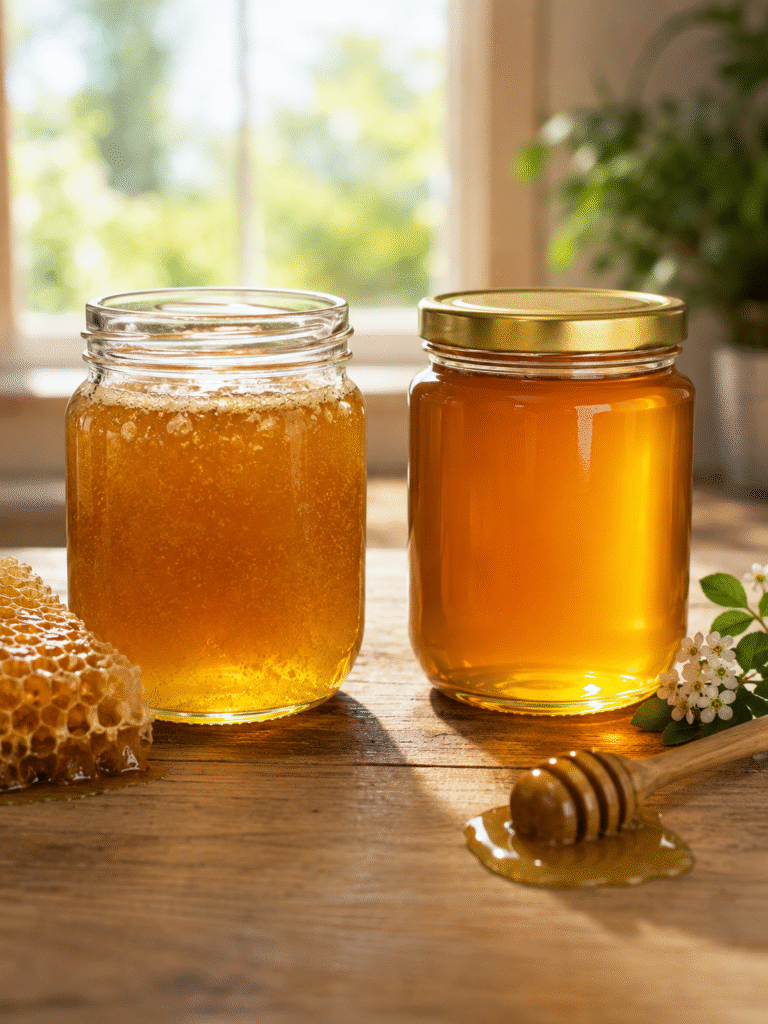
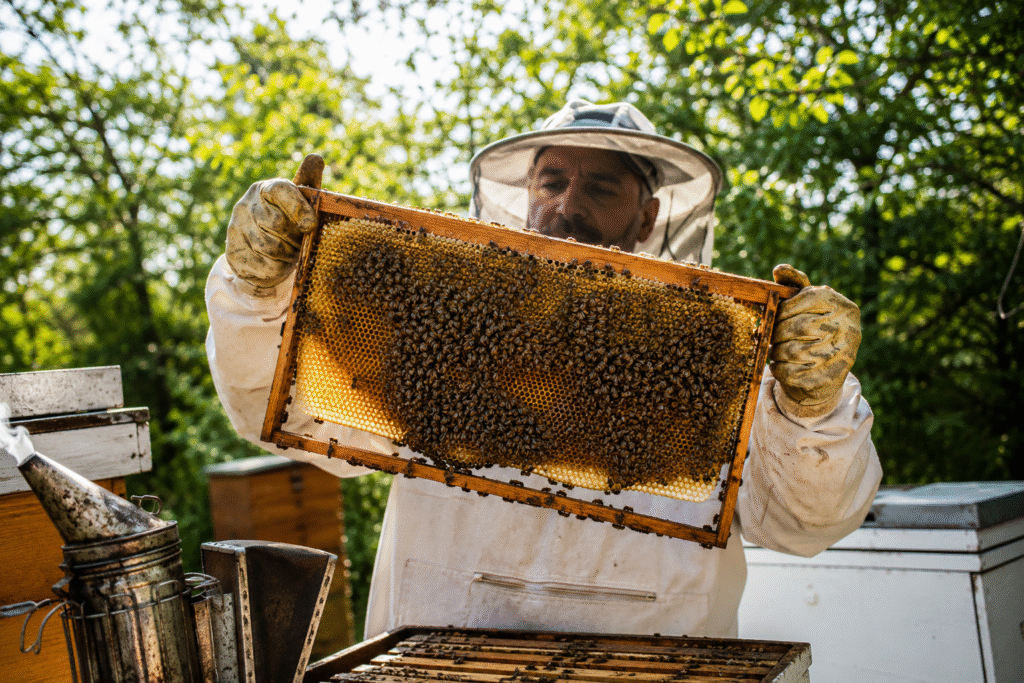
But local beekeepers offer something supermarket shelves can’t: hyperlocal honey — honey made from the exact flowers blooming in your zip code. Some allergy sufferers swear by it (the theory being that trace amounts of local pollen act like a natural immunotherapy). The science is still mixed on that one, but the flavor case is airtight. Clover honey from two counties over tastes completely different from the wildflower blend down the road.
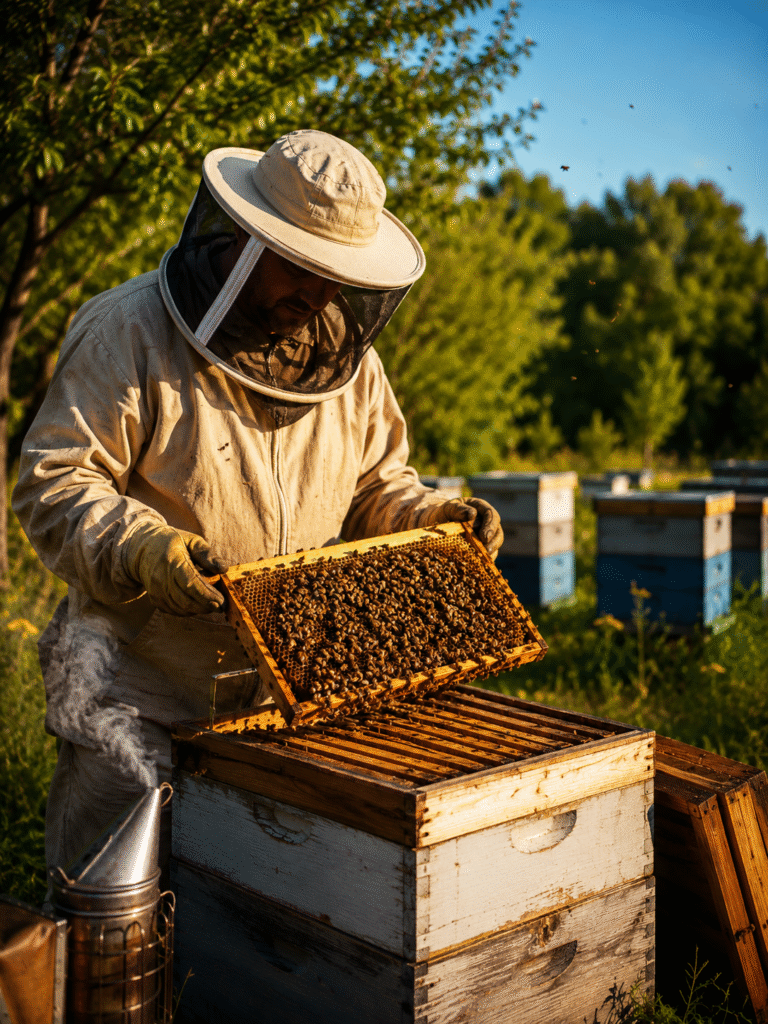
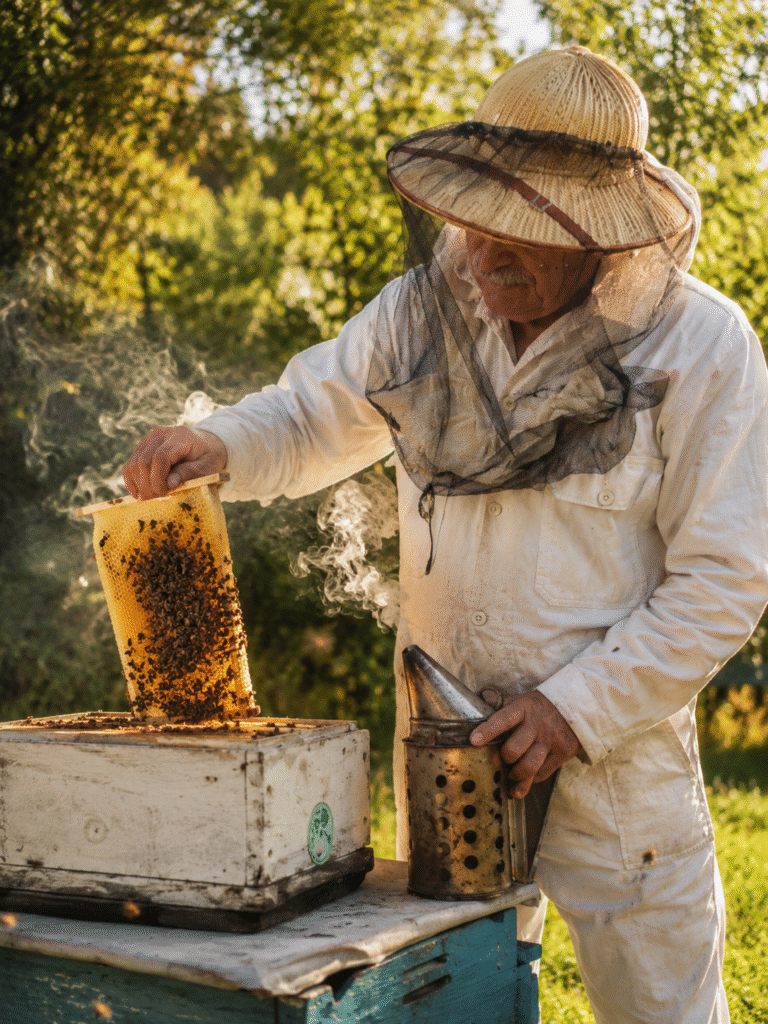
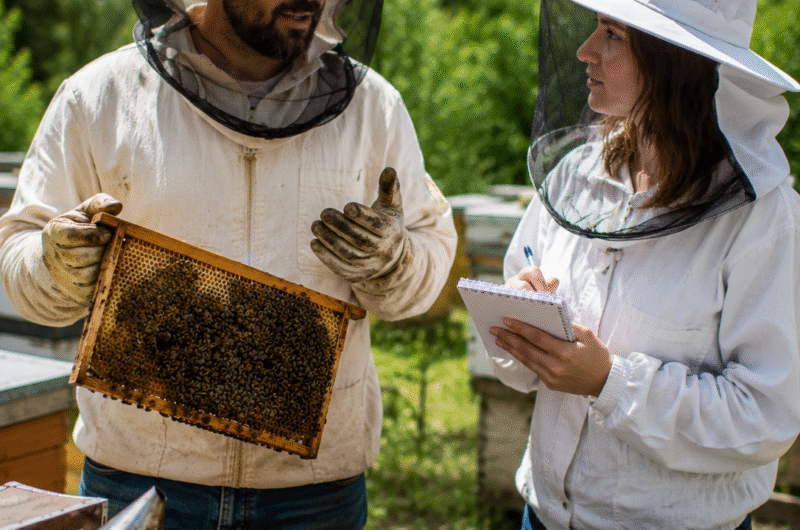
Beyond honey, local beekeepers are often the most passionate, generous experts you’ll ever meet. They’ve usually been doing this for years, made every mistake in the book, and are delighted to talk about it. Many offer hive tours, mentorship, and starter bees for new hobbyists. A few will even help you set up your first hive.
Where to Actually Find Local Beekeepers
1. Your State or Regional Beekeeping Association
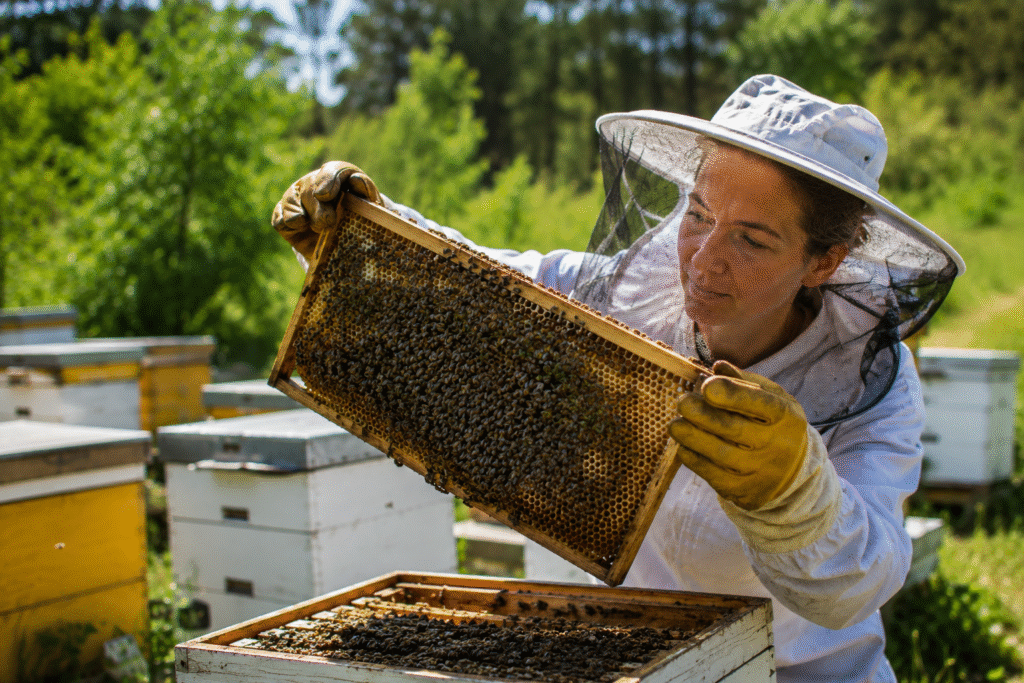
This is the single best starting point. Every U.S. state has an official beekeeping association — and most maintain a public directory of members, local clubs, and upcoming events. A quick search for “[your state] beekeeping association” will get you there in under a minute.
These organizations often run beginner courses in late winter (January through March is prime enrollment season, since new hives typically get started in spring). If you’re thinking about keeping bees yourself, signing up for one of these courses puts you in a room with dozens of experienced local keepers who are actively looking to share knowledge.
2. County Extension Offices
Your local Cooperative Extension office — usually run through a state university — is an underused gem. Extension agents work directly with agricultural communities, and many maintain lists of local beekeepers, especially those involved in pollination services or educational outreach. They may also run their own beekeeping workshops.
Look up “[your county] Cooperative Extension” and give them a call. Old school? Yes. Effective? Absolutely.
3. Farmers Markets
Walk through any decent farmers market and you’ll likely spot at least one honey vendor within ten minutes. These are working beekeepers selling direct — and unlike a store shelf, you can actually talk to them. Ask about their bee yards, their extraction process, which local plants dominate their honey’s flavor profile. Most are thrilled someone asked.
This is also the fastest way to sample several local honeys side by side and develop real opinions about what you like.
4. Local Facebook Groups and Nextdoor
Hyperlocal social media has become surprisingly useful for this. Search “beekeeping” or “beekeeper” in your local Nextdoor neighborhood feed, or look for Facebook groups like “[City] Beekeepers” or “[County] Backyard Beekeeping.” These groups are usually active, informal, and welcoming to beginners.
They’re also the first place to post if you’ve found a swarm. Beekeepers will often come collect swarms for free — it’s free bees for them, and a solved problem for you.
5. The American Beekeeping Federation and Local Bee Clubs
The American Beekeeping Federation (ABF) website maintains resources for finding bee clubs by state. Local bee clubs are often where the real community happens — monthly meetings, honey tastings, equipment swaps, and mentorship pairings between experienced and new beekeepers.
Many clubs have formal “mentor programs” where a seasoned beekeeper is matched with a beginner for an entire season. If you’re serious about getting into the hobby, this is invaluable.
6. Community Gardens and Urban Farms
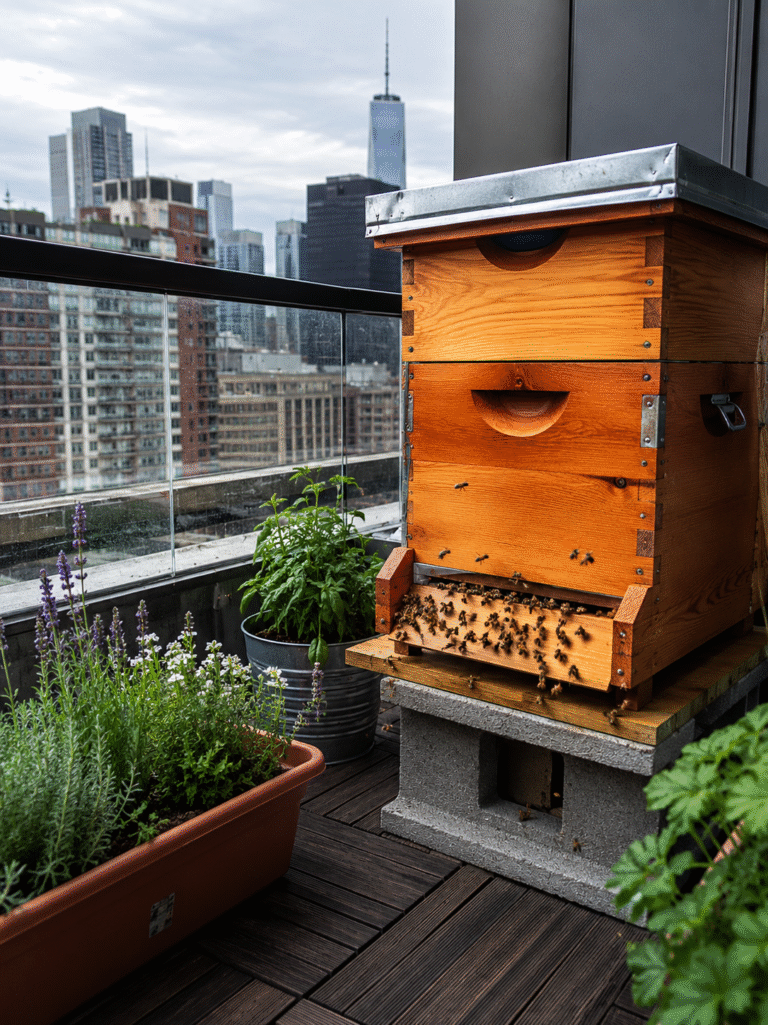
Urban beekeeping has exploded in the past decade. Community gardens, rooftop farms, and urban agriculture spaces frequently keep bees on-site — sometimes as a pollination service, sometimes as a community project. Drop by and ask. You might end up with a tour of the hives and a jar of city honey.
7. Your Local Feed Store or Farm Supply Shop
Places like Tractor Supply Co. or independent farm supply stores often sell beekeeping equipment — and the staff usually know who in the area is keeping bees. It’s worth asking. They may also post flyers for local club meetings or beginner classes.
What to Ask When You Find a Local Beekeeper
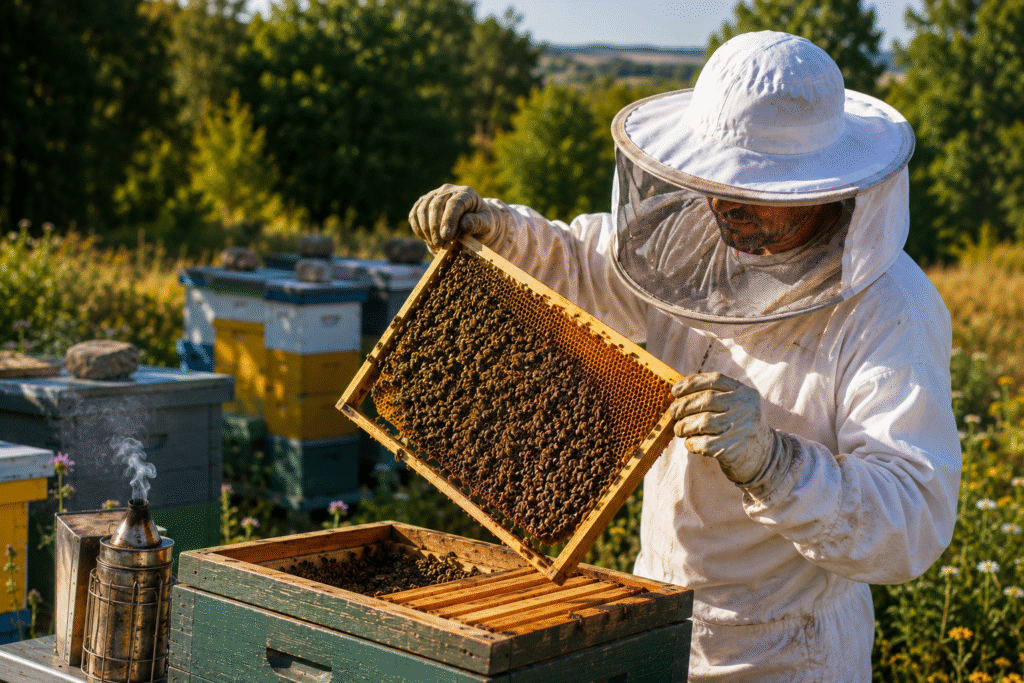
Don’t just show up and say “cool bees.” Come with actual questions:
- How many hives do you manage? This gives you a sense of scale — a hobbyist with two hives has a very different experience than a commercial keeper with 200.
- What kind of bees do you keep? Italian, Carniolan, Russian, and Buckfast bees all have distinct temperaments and honey production traits.
- Is your honey raw or processed? Raw honey is unheated and unfiltered, which preserves enzymes and pollen. Processed honey has a longer shelf life but loses some of those qualities.
- Do you offer mentorship or hive visits? Many beekeepers love sharing their operation with curious newcomers.
- What plants do your bees forage on? This is the flavor question in disguise — and it usually launches a great conversation.
If You Want to Go Beyond Buying Honey
Maybe you’re reading this not just as a honey shopper but as someone thinking I want to do this. That impulse is worth taking seriously.
Starting beekeeping typically costs between $300–$600 for your first year, covering a starter hive kit, a package of bees (usually 3 pounds of bees and a queen), and basic protective gear. Taking a beginner course first is strongly recommended — most state associations offer them for $50–$150, and they’ll save you from expensive early mistakes.
Your local beekeeper isn’t just a honey source. They’re a living library. Find one, buy their honey, ask your questions, and you might just end up with a hive of your own by next spring.
A Quick Recap: Your Local Beekeeper Checklist
- Search your state beekeeping association for a member directory
- Contact your county Cooperative Extension office
- Visit a farmers market and talk to honey vendors directly
- Join local Facebook or Nextdoor groups for beekeepers
- Look up your nearest bee club through the ABF
- Check community gardens and urban farms in your area
- Ask at your local farm supply store
The bees are out there. So are the people who love them.