
Mad honey can cause hallucinations and dangerous heart effects — yet hunters still risk cliffside falls to harvest it. Here’s the real science.
I’ve kept bees long enough to think I’ve got a decent handle on what honey can and can’t do to a person. Then a beekeeper I met at a conference a few years back mentioned, almost in passing, that there’s a honey out there that can put you flat on your back with a racing heart and vivid hallucinations if you eat too much of it. I assumed she was exaggerating. She wasn’t.
That honey is real. It’s called mad honey, and the fact that it exists — legally, harvested by hand, sold in small batches to people who know exactly what they’re buying — says something about how strange and varied the relationship between bees and plants can get.
What Is Mad Honey, Exactly?
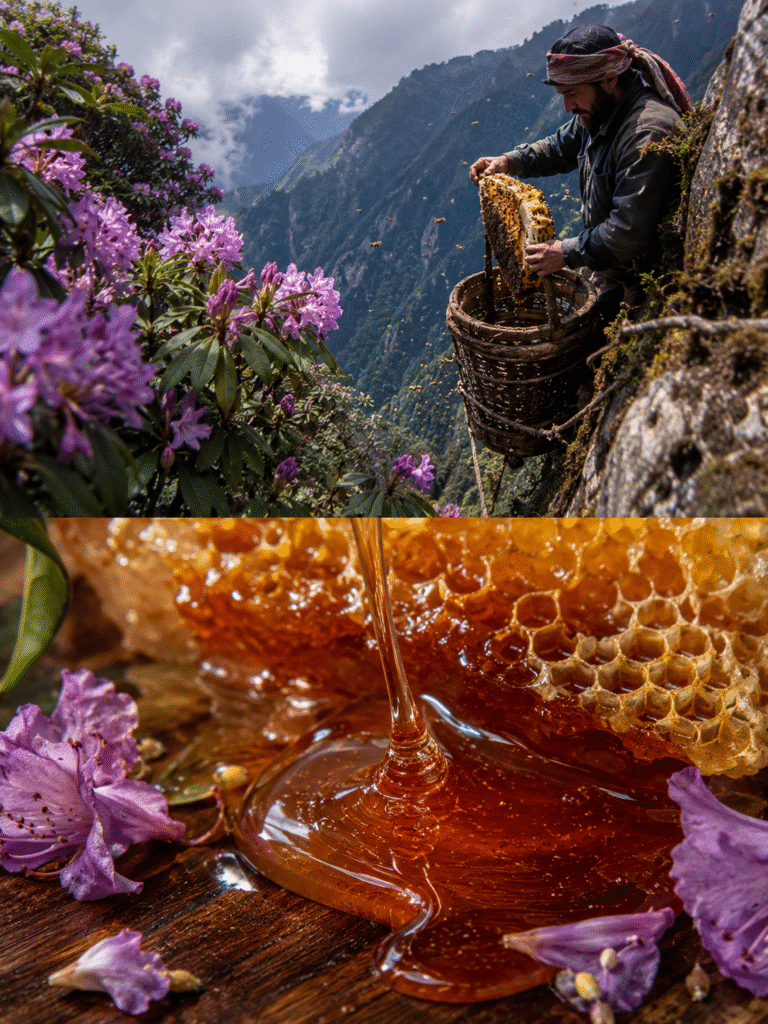
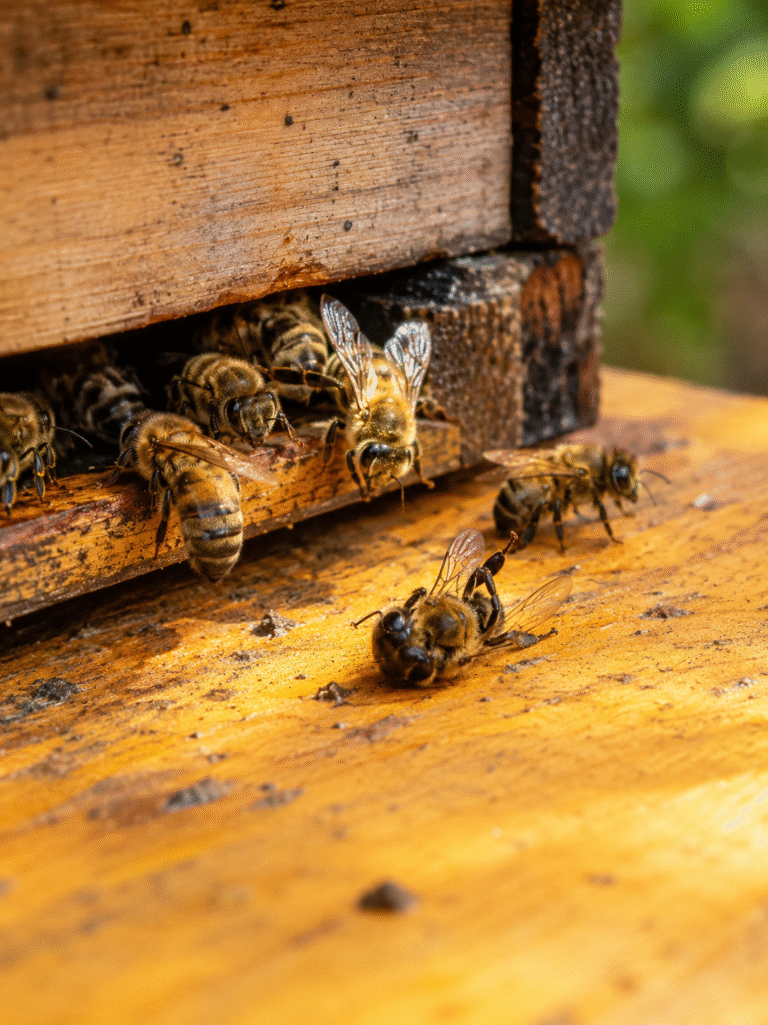
Mad honey is a naturally reddish-toned honey produced by bees that forage almost exclusively on certain species of rhododendron. Those flowers contain compounds called grayanotoxins, which pass through into the finished honey in concentrations high enough that eating a significant amount can cause dizziness, nausea, hallucinations, and dangerous drops in blood pressure and heart rate.
It’s not a honey a typical beekeeper stumbles into by accident. It requires a very specific combination: a bee species and a landscape where rhododendron is close to the only major nectar source available during the bloom.
The Only Bee That Makes It: Apis laboriosa, the Himalayan Giant Honey Bee
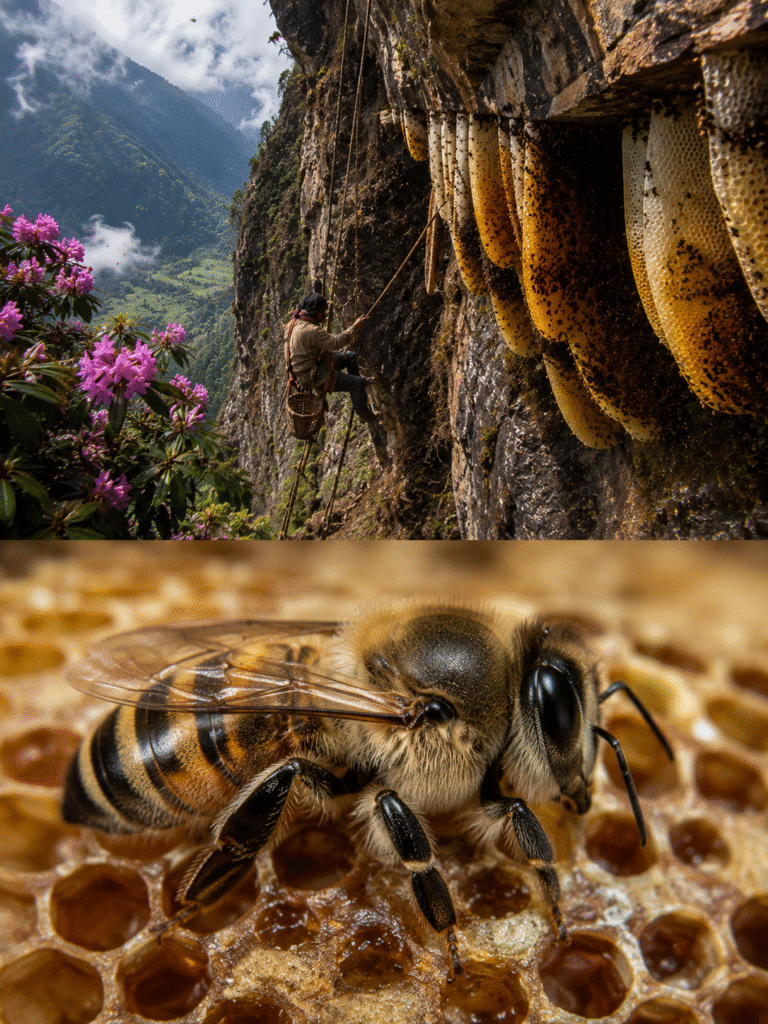
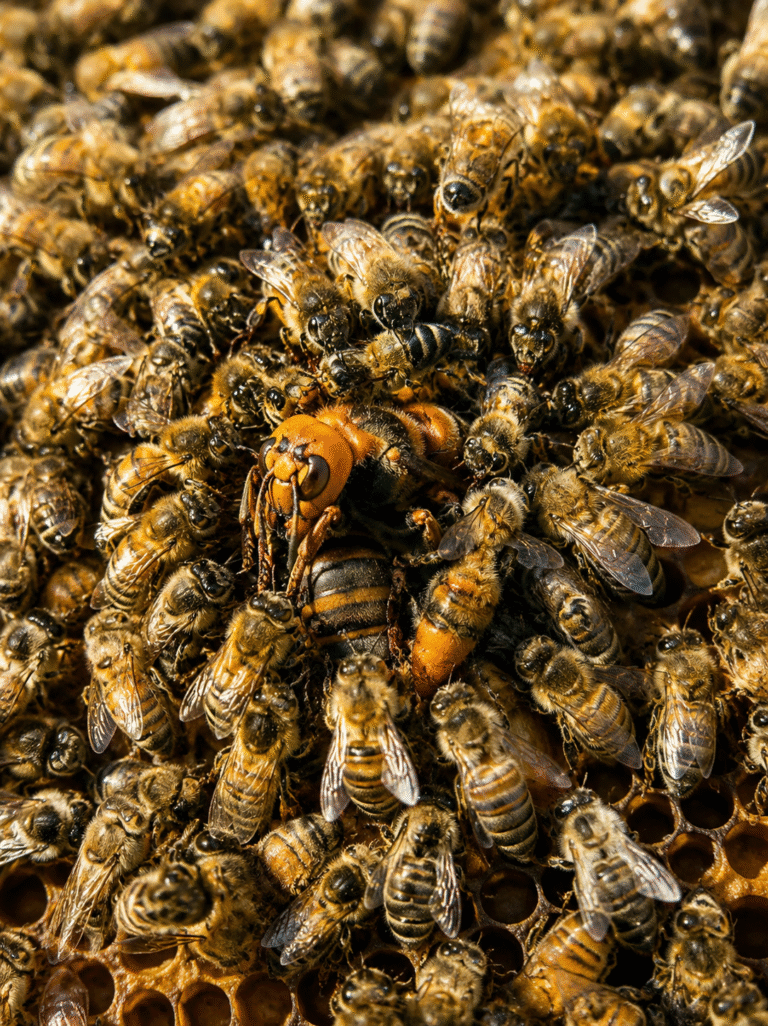
Most of the world’s mad honey traces back to Apis laboriosa, the largest honey bee species on Earth, which builds enormous exposed combs on sheer cliff faces in the Himalayan foothills of Nepal, rather than in the enclosed cavities most honey bee species prefer. A smaller, related tradition exists in the Black Sea region of Turkey, where local bee populations forage on a different rhododendron species growing along steep coastal terrain.
What both regions share is topography that keeps rhododendron as one of the dominant flowering plants available to foraging bees during certain windows of the year. In a landscape with more nectar diversity, the grayanotoxin concentration in the finished honey would likely be diluted down to something closer to harmless. On these specific cliffs, it isn’t.
Quick answer: Mad honey comes primarily from Apis laboriosa, the Himalayan giant honey bee, which forages on toxin-containing rhododendron flowers found on steep cliff terrain in Nepal, with a smaller-scale tradition also existing in Turkey’s Black Sea region.
The Chemistry Behind the “High” — Grayanotoxins Explained
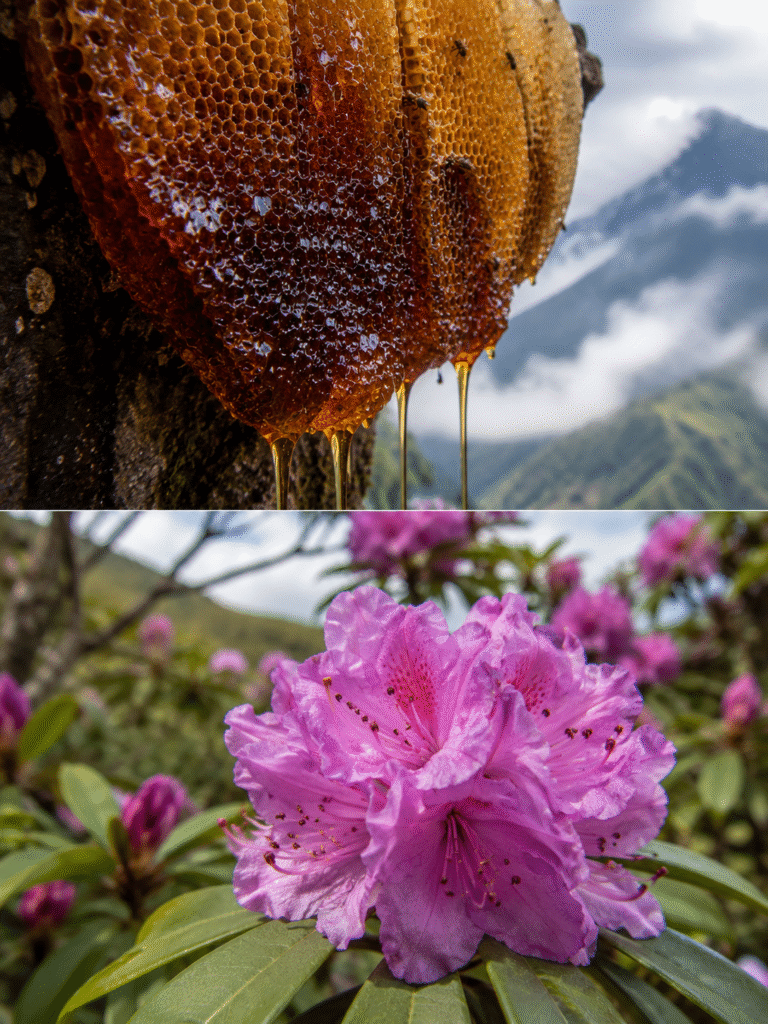
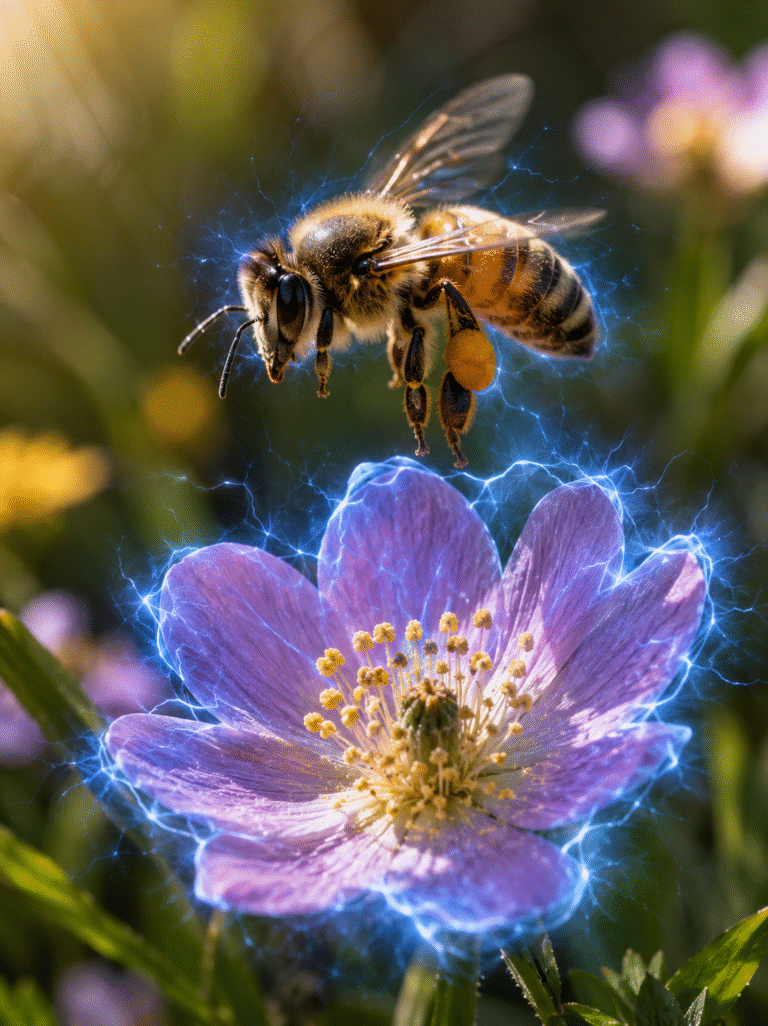
Grayanotoxins work by interfering with sodium channels in nerve and muscle cells, keeping them in a more excitable state than normal. In small amounts, that translates into the warm, mildly euphoric, almost buzzing sensation that gives mad honey its reputation. In larger amounts, the same mechanism starts affecting the heart and nervous system more broadly, which is where things get genuinely dangerous rather than just interesting.
This is worth being direct about: the line between the pleasant effect people are chasing and a medical emergency is not wide, and it isn’t the same for every person or every batch. Concentration varies significantly depending on the specific rhododendron species, the season, and even which slope the bees were foraging on that year. Case reports involving grayanotoxin poisoning — mostly documented out of Turkey, where mad honey is more commonly consumed than exported — describe symptoms ranging from dizziness and vomiting to severely slowed heart rate and dangerously low blood pressure requiring hospital treatment.
I’ll say plainly what this article isn’t: it isn’t a guide to trying mad honey, and it isn’t going to tell you what a “safe” amount looks like, because the honest answer is that there isn’t a reliable one. Potency swings too much between batches for anyone to responsibly hand out a number.
The Hunters Who Risk Everything: Nepal’s Gurung Cliffside Tradition
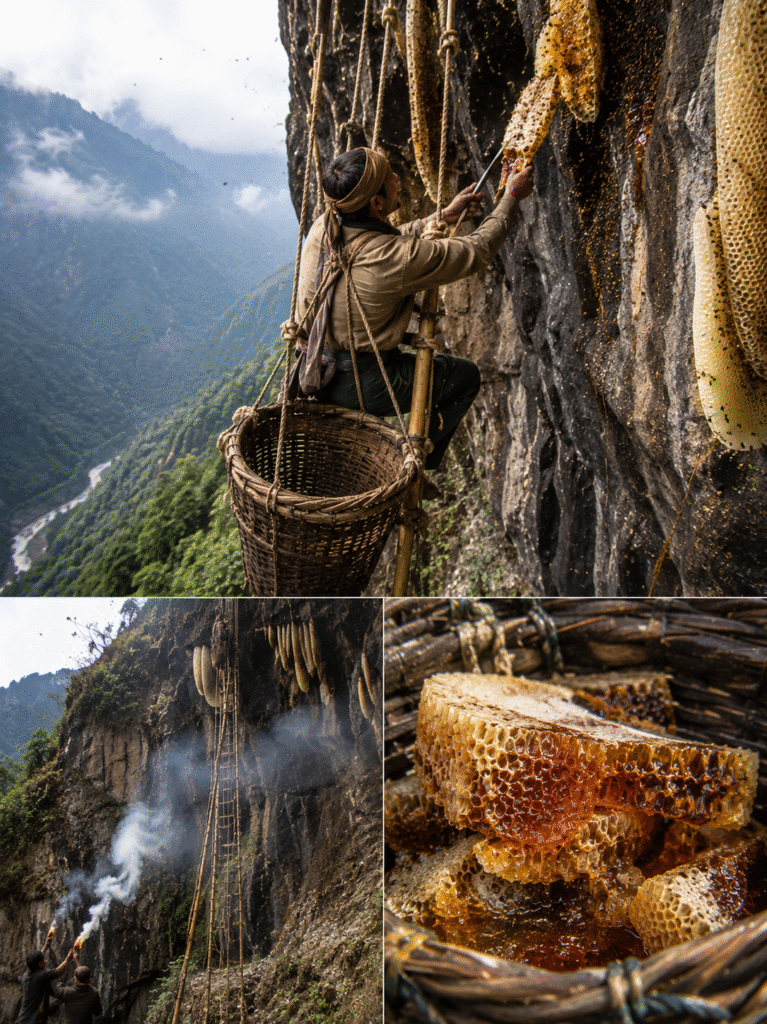
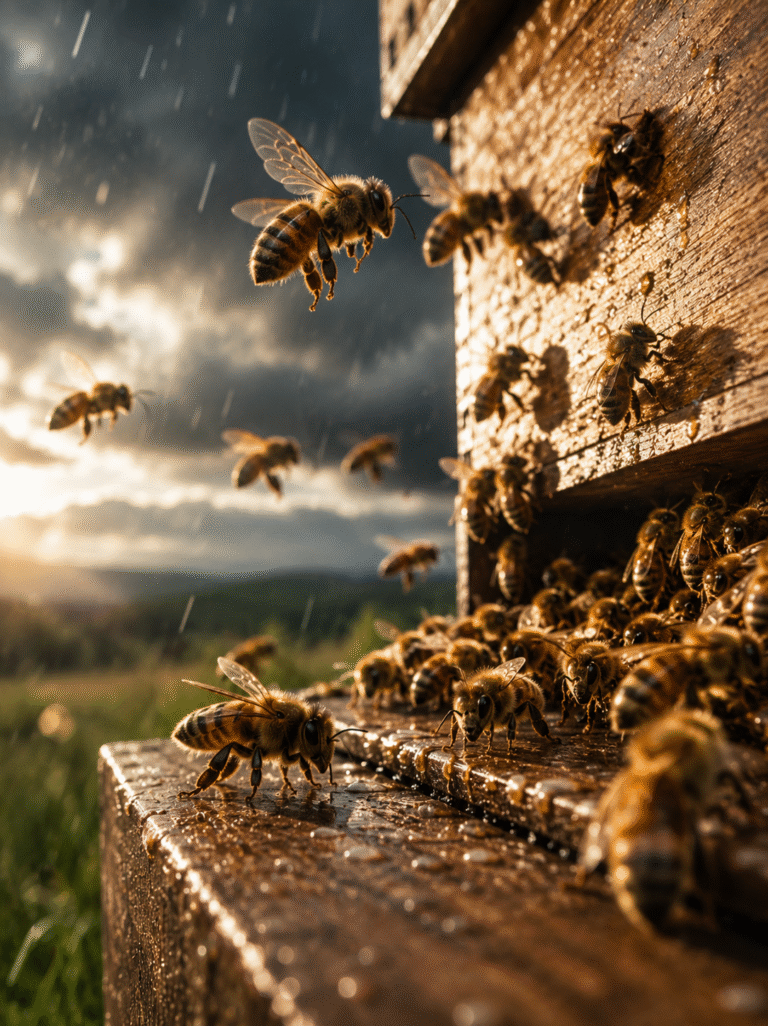
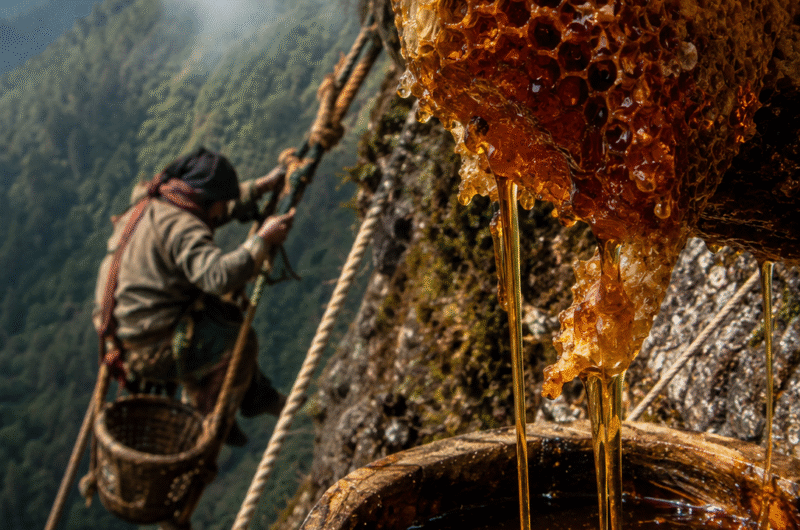
Twice a year, members of the Gurung community in central Nepal’s mountain villages climb hand-built rope and bamboo ladders down sheer rock faces to reach Apis laboriosa combs, some hanging over a hundred meters above the valley floor. Smoke from a fire lit below drives the notoriously defensive bees back, giving hunters a narrow window to cut sections of comb loose and lower them down in baskets before the smoke clears and the bees return.
There’s no scuba-style safety gear involved. No harnesses rated for a fall. Just rope, bamboo, generations of inherited technique, and a level of nerve that the hunters themselves describe as the real qualifying skill for the job — more than physical strength.
This isn’t a commercial honey operation in any conventional sense. It’s a seasonal cultural practice, tied closely to specific villages and specific families, done partly for income and partly because it’s a tradition that predates any of the current hunters by generations. Fewer young people are taking it up as rural populations shift toward other work, which means the practice is realistically shrinking each decade even as global curiosity about it grows.
Is Mad Honey Actually Dangerous? What the Medical Literature Says
Yes, in sufficient quantity — and this is one of those cases where “sufficient” is doing a lot of work in that sentence. Published medical case reports, largely from Turkish emergency departments, describe patients arriving with symptoms consistent with grayanotoxin poisoning after consuming mad honey, sometimes in amounts the patients themselves considered modest. Slowed heart rate and low blood pressure are the most consistently documented effects, and while most cases resolve with supportive hospital care, the honest, uncomfortable truth is that potency isn’t standardized or labeled the way a regulated product would be.
This is a point worth being transparent about rather than glossing over: risk isn’t uniform. A tablespoon from one harvest might do very little. A tablespoon from a more concentrated batch, harvested from a different slope or a different bloom, could genuinely land someone in a hospital. Nobody selling or harvesting mad honey traditionally has been running toxin-concentration tests on each batch, which is exactly why treating it as a curiosity to observe and understand — rather than a product to casually try — is the more responsible framing.
Mad Honey vs. Normal Honey — Myth vs. Fact
Myth: All honey is essentially interchangeable, just with minor flavor differences depending on the flowers involved. Fact: The vast majority of honey — including everything you’ll find on a standard grocery shelf — carries no meaningful psychoactive or toxic compounds at all. Mad honey is a genuine outlier, dependent on a narrow set of plant and bee conditions that simply don’t exist in most beekeeping regions.
It’s also worth separating mad honey from ordinary questions about honey purity, like whether the jar in your cupboard has been cut with syrup or mislabeled. That’s a completely different issue involving <a href=”https://beekeeperscorner.com/is-the-honey-in-your-cupboard-actually-honey/”>the honey sitting in your cupboard</a> — mad honey isn’t “fake” or adulterated in that sense. It’s genuine, unprocessed honey; it’s just made from a genuinely unusual nectar source.
Why a Regular Beekeeper Will Never Produce This
I manage hives in a landscape with a wide mix of flowering plants across the season — clover, wildflowers, the occasional orchard bloom nearby — and that diversity is exactly why nothing I’ve ever harvested would come close to mad honey’s toxin levels, even if a stray rhododendron happened to be growing somewhere in range. Bees forage opportunistically across whatever’s blooming, which naturally dilutes any single plant’s compounds down to negligible levels in the finished honey.
That’s actually the more typical story behind most honey variation you’ll encounter, including <a href=”https://beekeeperscorner.com/the-honey-youre-buying-at-the-supermarket-might-be-lying-to-you-heres-whats-really-inside/”>the honey most of us actually buy</a>, where the differences between brands and regions come down to nectar-source blends, processing methods, and labeling practices — not toxicity. Mad honey only happens because of a genuinely rare set of ecological circumstances: a landscape where one toxic plant so thoroughly dominates the bloom that bees have little else to forage on. That combination barely exists anywhere else on Earth, which is a large part of why the tradition has stayed so geographically narrow for so many centuries.
Note on internal linking: the brief also called for a link to the site’s Manuka honey pricing/value article, but that URL could not be re-verified as live during this writing pass. Rather than invent or guess the slug, it has been omitted here — flagging it explicitly for confirmation before publishing, per the internal-linking rules.
Takeaway: Mad honey isn’t a beekeeping curiosity you’re ever likely to encounter by accident — it’s the product of one very specific, very risky tradition, half a world away from how most honey gets made. Understanding the chemistry behind it is a genuinely fascinating window into what bees and plants are capable of together, without needing to go anywhere near a jar of it yourself.
FAQ
What is mad honey? A reddish-toned honey made by bees foraging on rhododendron flowers containing grayanotoxins, compounds that can cause hallucinations and other symptoms if consumed in large amounts.
Is mad honey legal? It’s legal to produce, sell, and consume in most countries, though some regions restrict or ban it specifically because of its toxin content.
Why does mad honey cause hallucinations? Grayanotoxins from rhododendron nectar affect sodium channels in nerve cells, producing warmth and mild euphoria at low doses and more serious neurological and cardiac effects at higher ones.
Where does mad honey come from? Primarily the Himalayan cliffs of Nepal, harvested from wild Apis laboriosa colonies, with a smaller-scale tradition also found along Turkey’s Black Sea coast.
Is mad honey dangerous? Yes, in sufficient quantity. Documented medical cases describe dangerously low blood pressure and slowed heart rate, and potency varies unpredictably between batches.
How is mad honey harvested? By hand, using rope and bamboo ladders to reach cliffside combs, with smoke used to subdue the bees during the harvest window.